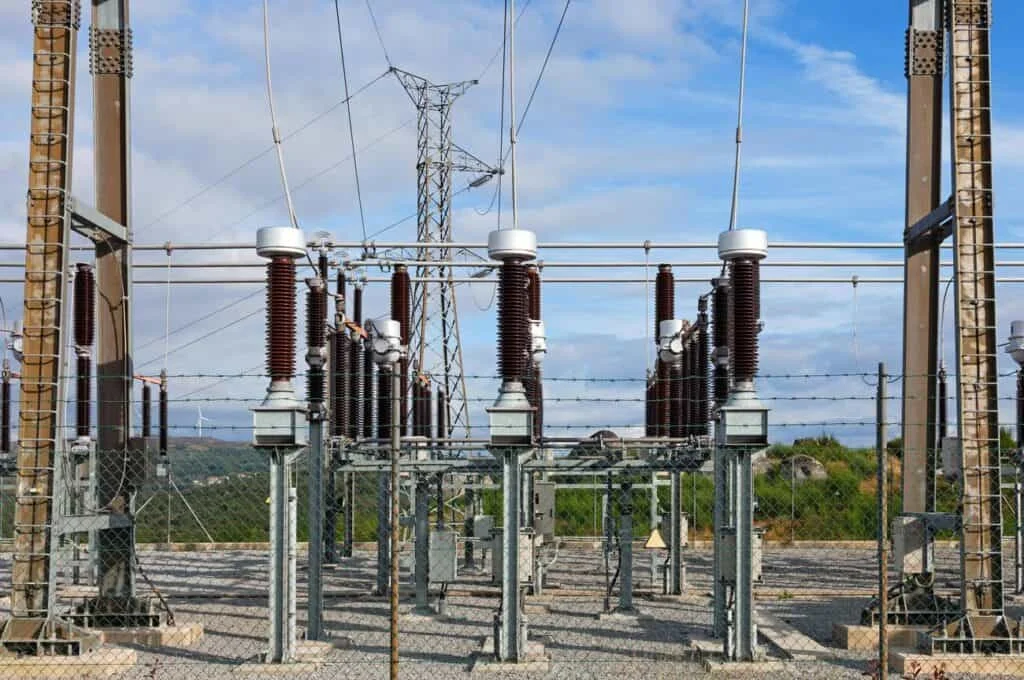
Why Electric Motor Overheats: Industrial Causes and Mechanical Root Causes
Stop motor failure. Diagnose whether your motor is running hot due to low voltage inputs, phase voltage imbalances, overload demands, or blocked air paths.

Motor overheating is one of the earliest and most dangerous indicators of failure in industrial electrical systems. In manufacturing plants, motors drive essential processes such as conveyors, pumps, compressors, and production lines. When they overheat, the entire production chain is at risk.
In Kenya’s industrial environment, motor stress is amplified by voltage fluctuations from the grid, heavy mechanical loading, poor ventilation, and phase imbalance in distribution systems. If not diagnosed early, overheating leads to insulation breakdown, winding failure, and complete motor burnout.
Related Products

Motor Control
Reliable motor control panels for industrial and commercial use, providing customised solutions for safe and efficient motor operation.
View Product
LV Panel
High-quality low voltage panels designed for reliable power distribution and protection in industrial and commercial installations.
View Product
Distribution Boards
Distribution boards divide the main electrical power supply into smaller circuits while providing circuit protection for residential, commercial and industrial applications.
View Product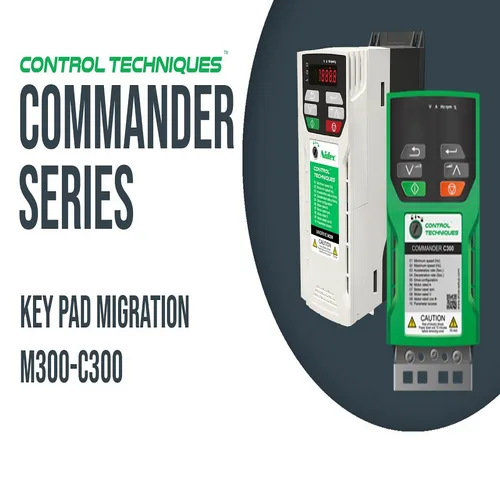
Commander C
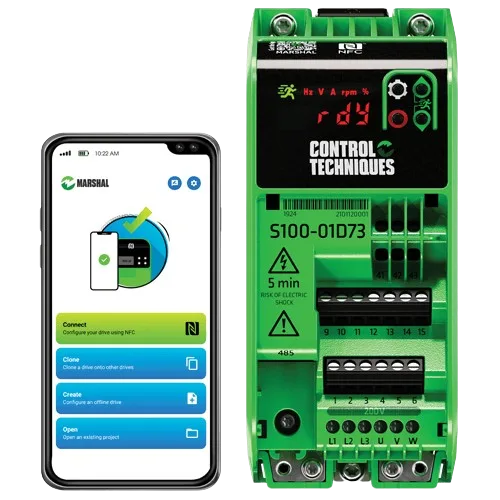
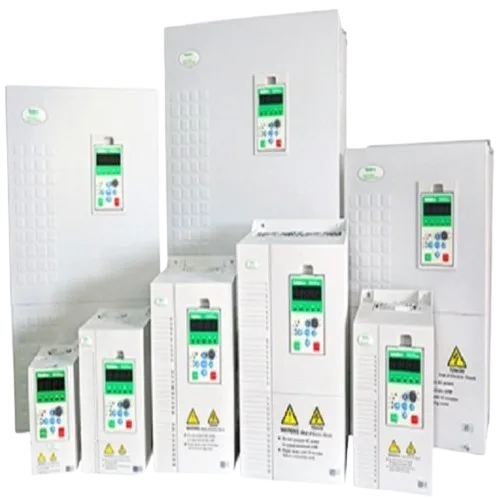
Commander C VFD Drives from Paneltech Systems provide advanced motor control for industrial and commercial applications. Enhance efficiency and reliability.
View ProductPaneltech Systems Ltd designs industrial LV panels, motor control systems, and VFD solutions that help stabilize motor operation and reduce thermal stress. Learn more at products and #motor-control-panels.
Low Voltage Supply and Its Effect on Motor Temperature
Low voltage causes motors to draw higher current to maintain torque, which increases internal heat generation. This excess current leads to accelerated winding temperature rise and insulation stress. If sustained, it results in motor overheating and eventual failure.
When voltage drops below rated levels, the motor compensates by increasing current draw. This increases I²R losses inside the windings, which directly translates into heat.
Common causes of low voltage in industrial systems include:
- Undersized distribution cables
- Overloaded feeders
- Weak supply from the utility grid
- Long cable runs without compensation
In Kenyan factories, voltage instability from KPLC supply variations further worsens this condition.
Proper voltage regulation, cable sizing, and load management are essential preventive measures.
Three Phase Current Imbalance and Motor Stress
Current imbalance in three-phase motors causes uneven heating across windings, leading to localized thermal stress. This results in reduced efficiency and premature insulation degradation. Severe imbalance can cause rapid motor failure.
A balanced three-phase system ensures equal current flow in all windings. However, when loads are uneven or supply phases are unstable, one phase may carry more current than others.
Effects include:
- Uneven heating of motor windings
- Increased vibration and noise
- Reduced torque output
- Accelerated insulation aging
Even a small imbalance can significantly reduce motor lifespan over time.
In industrial environments, proper load balancing and phase monitoring are essential for motor protection.
Mechanical Overload and Excessive Torque Demand
Mechanical overload occurs when a motor is required to deliver more torque than its rated capacity. This increases current draw and leads to excessive heat generation in windings. It is one of the most common causes of industrial motor overheating.
Overload conditions often result from:
- Jammed or misaligned mechanical systems
- Overfilled pumps or compressors
- Increased process load beyond design limits
- Worn bearings increasing friction
When motors operate under overload conditions, thermal protection systems eventually trip to prevent catastrophic failure.
Proper sizing of motors and use of soft starters or VFDs helps reduce overload stress.
Explore engineered motor control systems at vfd-drives.
Blocked Cooling and Poor Ventilation in Motor Systems
Motors rely on airflow for cooling, and blocked ventilation causes heat to accumulate rapidly. This prevents proper heat dissipation and raises internal winding temperatures. Over time, this leads to insulation breakdown and motor failure.
Cooling failure is often caused by:
- Dust accumulation on cooling fins
- Blocked air vents
- Faulty cooling fans
- Installation in poorly ventilated spaces
In Kenya’s dusty industrial zones, especially manufacturing and construction environments, airflow blockage is a frequent issue.
Routine cleaning and proper motor placement are essential for thermal stability.
Voltage Unbalance and Its Thermal Impact
Voltage unbalance creates uneven magnetic fields inside the motor, increasing current in one or more phases. This leads to localized heating and reduced motor efficiency. Even small voltage deviations can significantly increase thermal stress.
Voltage unbalance is often caused by:
- Uneven single-phase loading
- Faulty distribution wiring
- Weak transformer output
- Poor panel design
In industrial systems, even a 2–3% voltage imbalance can cause significant temperature rise in motor windings.
Proper electrical design and phase balancing are critical for long-term reliability.
Insulation Breakdown and Motor Winding Failure
Motor winding insulation breaks down when exposed to sustained high temperatures. This leads to short circuits between turns and complete motor failure. It is the final stage of overheating damage.
Insulation materials degrade over time when exposed to repeated thermal cycling. Once insulation fails, electrical paths form between windings, causing irreversible damage.
Contributing factors include:
- Continuous overheating
- Harmonic distortion from VFDs
- Poor ventilation
- Overload conditions
Preventive maintenance and thermal monitoring can detect early signs of insulation stress.
System Specifications Table: Industrial Motor Protection System
| Parameter | Specification |
|---|---|
| Motor Type | Three-phase induction motor |
| System Voltage | 415V AC |
| Frequency | 50Hz |
| Protection Devices | Thermal overload relay, MCCB |
| Control Systems | DOL / Star-Delta / VFD |
| Cooling Method | IC411 / Forced air |
| Insulation Class | Class F / Class H |
| Standards Compliance | IEC 60034, IEC 60947 |
| Application | Industrial motors & automation systems |
Preventive Maintenance for Motor Reliability
Direct Answer: Preventive maintenance reduces motor overheating by identifying faults before they escalate. Routine inspections ensure electrical and mechanical systems remain within safe operating limits. This significantly improves motor lifespan and reliability.
Key maintenance practices include:
- Thermal imaging of motor housings
- Vibration analysis for mechanical faults
- Load and current monitoring
- Cleaning of cooling systems
- Insulation resistance testing
Industrial facilities that adopt structured maintenance programs experience fewer breakdowns and improved operational efficiency.
Engineering Insight: Why Motor Failures Are Increasing in Kenya
Motor overheating issues in Kenya are becoming more frequent due to:
- Increased industrial automation
- Heavy reliance on VFD-driven systems
- Grid voltage instability
- Poor maintenance practices
- Rapid industrial expansion without system redesign
Without proper electrical engineering design, motors operate under continuous thermal stress.
Paneltech Systems Ltd provides engineered LV systems, motor control panels, and VFD solutions designed to stabilize motor performance in demanding industrial environments.
Contact Paneltech Systems Ltd
Powering Kenya's Future with Reliable Electrical Solutions
Email: [email protected]
Phone: 0799 531765
Location: Nairobi, Kenya
Website: https://paneltechsystems.co.ke/
Our Specialized Services:
Low Voltage (LV) Panels & APFC Panels
VFD Drive Solutions & ATS / MTS Systems
Solar Power & EV Charging Infrastructure
Electrical Supplies & Engineering Consultations