Generator Sizing Kenya: How to Size a Standby Generator for a Commercial Building
Generator sizing Kenya projects requires more than adding the wattage of every electrical appliance. A suitable standby generator is selected by assessing connected and essential loads, demand, power factor, motor-starting requirements
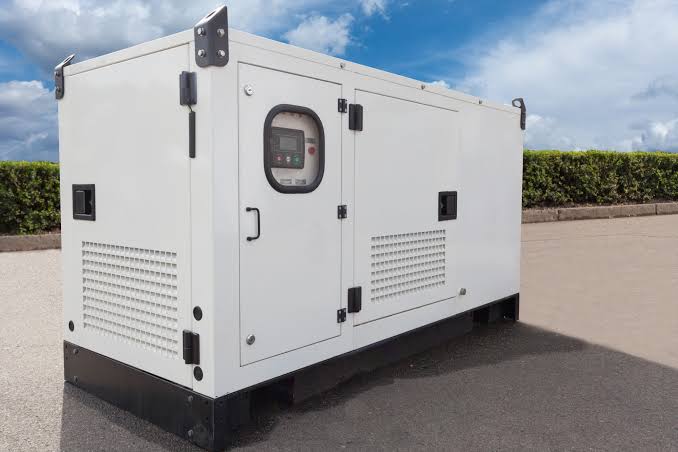
A standby generator should be sized from the building's actual essential and operating loads, while also allowing for power factor, motor starting, non-linear loads, future expansion and the generator's transient performance. Simply adding the nameplate ratings of every appliance can result in an unnecessarily large or poorly selected generator.
A commercial building may have hundreds of individual electrical loads, but not all of them need to operate during a mains failure.
The first step is therefore to determine what must remain operational.
That load is then analysed to determine the generator capacity in kVA, rather than simply selecting a generator based on total connected kW.
What Is Generator Sizing?
Generator sizing is the process of determining the generator's required electrical capacity and selecting equipment capable of supplying the building's intended loads under standby conditions. The calculation should consider both steady-state demand and difficult starting or transient loads.
A basic process is:
Connected loads
↓
Essential loads
↓
Maximum demand
↓
Starting requirements
↓
Power factor and load characteristics
↓
Generator kVA
↓
Select standard generator rating
The final generator should provide adequate capacity without being unnecessarily oversized.
kW vs kVA: What Does Generator Size Mean?
Generator sets are commonly rated in kVA because alternators must supply both real power and reactive power. The relationship between kW and kVA depends on power factor.
The basic relationship is:
kW = kVA × Power Factor
Therefore:
kVA = kW ÷ Power Factor
For example, if the required load is:
400 kW at 0.8 power factor
Then:
Generator requirement = 400 ÷ 0.8 = 500 kVA
A generator rated at 500 kVA at 0.8 power factor corresponds to 400 kW of real power.
Always check the manufacturer's rating conditions.
Step 1: Create a Load Schedule
A reliable generator-sizing exercise begins with an accurate load schedule listing the building's major electrical loads. The schedule should distinguish connected load from the load expected to operate during a mains failure.
A basic schedule may contain:
| Load | Connected Load | Essential? | Expected Demand |
|---|---|---|---|
| Lighting | 80 kW | Yes | 65 kW |
| Small power | 100 kW | Partly | 60 kW |
| HVAC | 300 kW | Partly | 180 kW |
| Pumps | 80 kW | Yes | 50 kW |
| Lifts | 100 kW | Selected | 30 kW |
| Fire systems | 30 kW | Yes | 20 kW |
| IT equipment | 60 kW | Yes | 50 kW |
This is only an illustrative example.
Actual project values must come from the building's electrical design.
Connected Load vs Maximum Demand
Connected load is the sum of the rated loads installed, while maximum demand is the maximum load expected to occur simultaneously. Generator sizing should normally be based on realistic operating demand rather than blindly adding every connected load.
For example:
A building may have:
1,000 kW connected load
but only:
600 kW maximum expected demand
during normal operation.
If only part of the building is designated essential during a power failure, the generator load could be even lower.
This distinction can substantially affect generator size.
What Is Essential Load?
Essential load is the electrical load that must remain operational when normal utility power fails. It should be defined by the building's operational, safety and business requirements rather than assumed to be the entire connected load.
Depending on the building, essential services may include:
- Emergency lighting
- Fire alarm systems
- Fire pumps
- Security systems
- Access control
- CCTV
- IT equipment
- Selected lifts
- Water pumps
- Critical HVAC
- Refrigeration
- Medical equipment
- Communication systems
The exact essential-load list varies by building type.
Essential Load Calculation
Essential load calculation involves identifying the loads that will be transferred to the generator and estimating their actual operating demand. The resulting load becomes the foundation for the standby generator selection.
A useful structure is:
Total essential connected load
−
Non-simultaneous loads
−
Loads intentionally excluded
Required starting allowance
=
Generator design requirement
The calculation should also account for future loads where applicable.
Worked Generator Sizing Example
Consider a commercial building with an estimated essential operating demand of 360 kW and an average design power factor of 0.8. The continuous apparent-power requirement would be approximately 450 kVA before considering starting and transient requirements.
Given:
Essential demand:
360 kW
Power factor:
0.8
Calculate:
kVA = 360 ÷ 0.8
kVA = 450 kVA
The designer would then assess:
- Motor starting
- Step loading
- Future expansion
- Non-linear loads
- Generator operating conditions
A standard generator rating larger than the calculated continuous requirement may therefore be selected.
For illustration, a 500 kVA or higher unit might be investigated—but the final rating should come from the complete engineering assessment rather than the arithmetic alone.
Why Motor Starting Matters
Motors can demand substantially more current during starting than during normal operation, creating a temporary voltage dip and increased generator loading. Generator selection must therefore consider the largest motor starts and how motors are sequenced.
Typical motor-driven loads include:
- Chilled-water pumps
- HVAC compressors
- Water pumps
- Fire pumps
- Fans
- Lifts
- Air-handling units
A generator that comfortably carries the running load may still struggle with a large motor starting directly across the line.
Generator Starting Current
Direct-on-line motor starting can produce a high inrush current, depending on the motor and starting method. The generator must be capable of handling the resulting transient without unacceptable voltage or frequency disturbance.
The starting sequence might be:
Generator starts
↓
Small essential loads connect
↓
Pump starts
↓
HVAC starts
↓
Additional loads connect
This is generally easier for a generator than applying every major load simultaneously.
Motor Starting Methods
The motor starting method can significantly influence generator sizing because reduced-current starting techniques can lower the starting demand seen by the generator. The selected method should be compatible with the motor, driven equipment and control system.
Common methods include:
- Direct-on-line
- Star-delta
- Soft starter
- Variable frequency drive
A VFD, for example, can substantially alter the starting characteristics compared with direct-on-line starting.
Generator Step Loading
Step loading refers to applying a large electrical load to the generator suddenly. Excessive step loading can cause temporary voltage and frequency deviations, so the generator and load-transfer strategy should be assessed together.
Instead of:
0% → 100%
the system may use:
0% → 25% → 50% → 75%
depending on the building and generator-control strategy.
Load sequencing can improve generator performance.
Automatic Transfer Switch
An automatic transfer switch, or ATS, transfers designated loads between the normal utility supply and the standby generator. The ATS arrangement should be coordinated with generator capacity, essential distribution boards and the building's electrical protection.
A simplified arrangement is:
Utility Supply
↘
ATS → Essential Distribution → Building Loads
↗
Generator
The ATS may monitor:
- Utility voltage
- Utility frequency
- Generator voltage
- Generator frequency
- Transfer conditions
- Return-to-mains conditions
Generator Sizing and ATS Design
The generator and transfer system should be designed as one coordinated system. An ATS configuration that transfers more load than the generator can support can result in overload or unstable operation.
The design should identify:
- Which boards transfer
- Which circuits transfer
- Transfer sequence
- Generator capacity
- Protection settings
- Load shedding
- Re-transfer sequence
Essential and non-essential loads should be clearly separated.
Load Shedding
Load shedding allows lower-priority loads to be disconnected when generator capacity is limited. It can prevent generator overload and maintain power to critical services.
For example:
Priority 1
Fire and life-safety systems
↓
Priority 2
Critical building services
↓
Priority 3
Essential operational loads
↓
Priority 4
Non-critical loads
If generator capacity is constrained, lower-priority loads can be disconnected first.
Generator Sizing for HVAC
HVAC can represent a substantial portion of a commercial building's standby load, especially where chillers, compressors, pumps and air-handling equipment are involved. Starting characteristics and operating sequence should therefore be included in generator calculations.
Assess:
- Chiller capacity
- Compressor motor rating
- Pump motors
- Fan motors
- VFDs
- Starting sequence
- Required HVAC zones
It may not be necessary to operate the entire HVAC system during a mains failure.
Generator Sizing for Lifts
Lift loads should be assessed according to the building's operational and emergency requirements, including how many lifts need generator supply and how their drives start. The generator calculation should use the actual lift manufacturer's electrical data where available.
Consider:
- Number of lifts
- Motor rating
- Drive type
- Starting method
- Emergency operation
- Simultaneous operation
The lift consultant and electrical engineer should coordinate the design.
Generator Sizing for Fire Pumps
Fire pumps are critical loads and may impose significant starting and running demands on a standby generator. Their electrical supply arrangement should therefore be evaluated separately and coordinated with the fire-protection design.
Consider:
- Pump motor rating
- Starting current
- Starting method
- Required operating duration
- Generator transient performance
- Priority during load transfer
The applicable fire-protection requirements should be followed.
Generator Sizing for Data Centres and IT Loads
IT equipment can have distinctive electrical characteristics, including non-linear loads and high sensitivity to voltage and frequency disturbances. Generator selection should therefore consider the site's UPS and power-quality architecture.
A typical arrangement may be:
Utility
↓
UPS
↓
IT Load
with the generator supplying the upstream system during an outage.
The generator must be compatible with the UPS manufacturer's requirements.
Non-Linear Loads and Harmonics
Modern electronic equipment can introduce harmonic currents that affect generators and other electrical equipment. Where a building has substantial non-linear loads, harmonic performance should be considered during generator selection.
Potential sources include:
- UPS systems
- Variable frequency drives
- LED lighting
- IT equipment
- Electronic power supplies
The designer may need to assess:
- Harmonic distortion
- Alternator heating
- Generator compatibility
- Neutral current
- Filtering requirements
Generator Power Factor
Power factor affects the kVA requirement of the generator. A lower power factor means more apparent power is required to deliver the same real power.
For example:
At 0.9 PF:
450 kW ÷ 0.9 = 500 kVA
At 0.8 PF:
450 kW ÷ 0.8 = 562.5 kVA
The same real power therefore requires different generator kVA ratings.
Generator Oversizing
An oversized generator is not automatically better. Excessive oversizing can result in poor loading, inefficient operation and potentially higher ownership costs. The generator should be selected to suit the expected load profile and operating conditions.
Potential disadvantages include:
- Low average loading
- Reduced fuel efficiency
- Higher capital cost
- Poorer utilisation
- Increased equipment cost
The objective is an appropriately sized generator—not the largest available generator.
Generator Undersizing
An undersized generator can experience overload, excessive voltage or frequency disturbance, nuisance shutdowns and difficulty starting large loads. These problems can affect both the generator and connected equipment.
Warning signs include:
- Generator overload
- Voltage dips
- Frequency dips
- Excessive smoke
- Frequent trips
- Failed motor starts
- Unstable operation
Correct sizing is therefore critical.
Future Load Growth
Generator sizing should consider reasonably foreseeable future loads, especially in buildings where tenant occupancy, HVAC demand or electrical services may increase. However, excessive speculative capacity can lead to unnecessary oversizing.
Potential future loads include:
- Additional offices
- More IT equipment
- New HVAC equipment
- EV charging
- Additional pumps
- Expanded refrigeration
- New production equipment
A defined expansion allowance is usually more useful than an arbitrary oversized generator.
Generator Selection Is More Than kVA
Once the required capacity is established, generator selection should also consider voltage, frequency, fuel, duty rating, control system, enclosure, emissions, noise and site conditions. The kVA figure is only one part of the specification.
Specify:
- Rated kVA
- Rated kW
- Voltage
- Frequency
- Phase
- Fuel type
- Standby/prime rating
- Controller
- Alternator
- AVR
- Acoustic enclosure
- Fuel tank
- Starting system
The generator should be specified for the actual application.
Standby vs Prime Generator Rating
Standby and prime ratings describe different operating duties, so the rating should match the intended application. A standby generator is typically intended for backup operation during utility failure rather than continuous primary power service.
The designer should confirm:
- Expected operating hours
- Load profile
- Frequency of outages
- Continuous vs standby operation
- Manufacturer's rating conditions
Never compare generator sizes solely by the headline kVA number without checking the duty rating.
Generator Fuel and Autonomy
Fuel storage should be sized according to the generator's expected operating load, required autonomy and site requirements. Fuel consumption varies with generator size and actual loading.
Consider:
- Required backup duration
- Generator fuel consumption
- Tank capacity
- Refuelling access
- Fuel quality
- Tank location
- Spill management
A generator with a large electrical rating does not automatically provide longer backup time.
Generator Room Considerations
Generator sizing should be coordinated with the physical installation because larger generators require adequate space for ventilation, exhaust, maintenance, fuel systems and safe access.
Consider:
- Generator dimensions
- Maintenance clearances
- Air intake
- Hot-air discharge
- Exhaust
- Fuel system
- Acoustic control
- Access routes
- Structural loading
These requirements should be considered before the generator room is constructed.
Generator and Electrical Panel Design
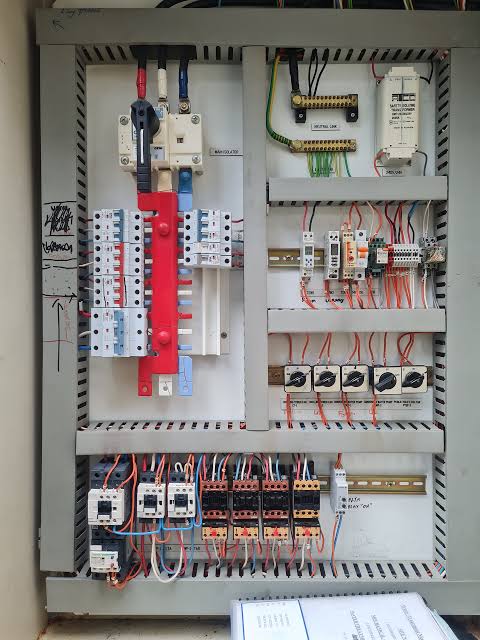
The generator installation requires appropriate switchgear and distribution equipment to safely connect the standby source to the building. Generator panels, ATS equipment and essential distribution boards should be coordinated with the generator's ratings and protection system.
The system may include:
- Generator output breaker
- ATS
- Essential DB
- Generator control panel
- Protection relays
- Metering
- Synchronising equipment where required
The arrangement depends on whether the building has one or multiple generators.
Testing a Standby Generator
A standby generator should be tested under suitable operating conditions to confirm that it starts, transfers load and performs correctly. Load testing can reveal issues that may not appear during a no-load run.
Testing may include:
- Starting test
- Automatic transfer test
- Load test
- Voltage verification
- Frequency verification
- Protection testing
- Emergency stop
- Alarm testing
- Battery system checks
Testing frequency should follow the manufacturer's recommendations and the site's maintenance programme.
Generator Load Bank Testing
Load-bank testing applies a controlled electrical load to the generator and can help verify its performance under load. It can be useful where the normal building load is insufficient to exercise the generator adequately.
A controlled test can evaluate:
- Voltage stability
- Frequency stability
- Load response
- Cooling performance
- Exhaust behaviour
- Protection functions
The testing programme should be planned by competent personnel.
Common Generator Sizing Mistakes
Many generator-sizing problems arise from using connected load without understanding actual demand, ignoring motor starting or failing to consider the transfer sequence. A good load schedule and engineering calculation can prevent these errors.
Mistake 1: Adding every connected load
This can create unnecessary oversizing.
Mistake 2: Ignoring motor starting
The generator may struggle when large motors start.
Mistake 3: Ignoring power factor
kW and kVA are not interchangeable.
Mistake 4: Ignoring future loads
The generator may become inadequate shortly after installation.
Mistake 5: Transferring everything simultaneously
Large step loads can destabilise the generator.
Mistake 6: Ignoring non-linear loads
Harmonic currents may affect generator performance.
Practical Generator Sizing Workflow
A practical generator-sizing workflow starts with the building load schedule and ends with verification of the selected generator against running and transient requirements. This provides a more reliable result than selecting a generator from connected load alone.
Step 1
Prepare the complete load schedule.
Step 2
Identify essential loads.
Step 3
Calculate expected maximum demand.
Step 4
Determine power factor.
Step 5
Identify large motors and starting methods.
Step 6
Determine load-transfer sequence.
Step 7
Check voltage and frequency performance.
Step 8
Allow for reasonable future expansion.
Step 9
Select the appropriate generator rating.
Step 10
Verify the complete generator/ATS/protection system.
Final Generator Sizing Checklist
The right standby generator is the smallest practical standard unit that can reliably handle the building's required steady-state and transient loads while meeting the project's operational and safety requirements. Generator sizing should therefore be based on engineering calculations rather than a simple connected-load total.
Before finalising the specification, confirm:
- Total connected load
- Essential load
- Maximum demand
- Load diversity
- Power factor
- Largest motor
- Motor starting method
- Starting sequence
- Step loading
- Non-linear loads
- Future expansion
- Generator kVA
- Generator kW
- Standby rating
- ATS rating
- Protection settings
- Fuel autonomy
- Generator-room requirements
- Ventilation
- Exhaust
- Testing requirements
For commercial buildings, the most important principle is:
Size the generator for the loads that actually need to operate during an outage—and verify that it can start and carry those loads reliably.
A properly engineered standby system provides dependable backup power without unnecessarily paying for generator capacity the building will rarely use.