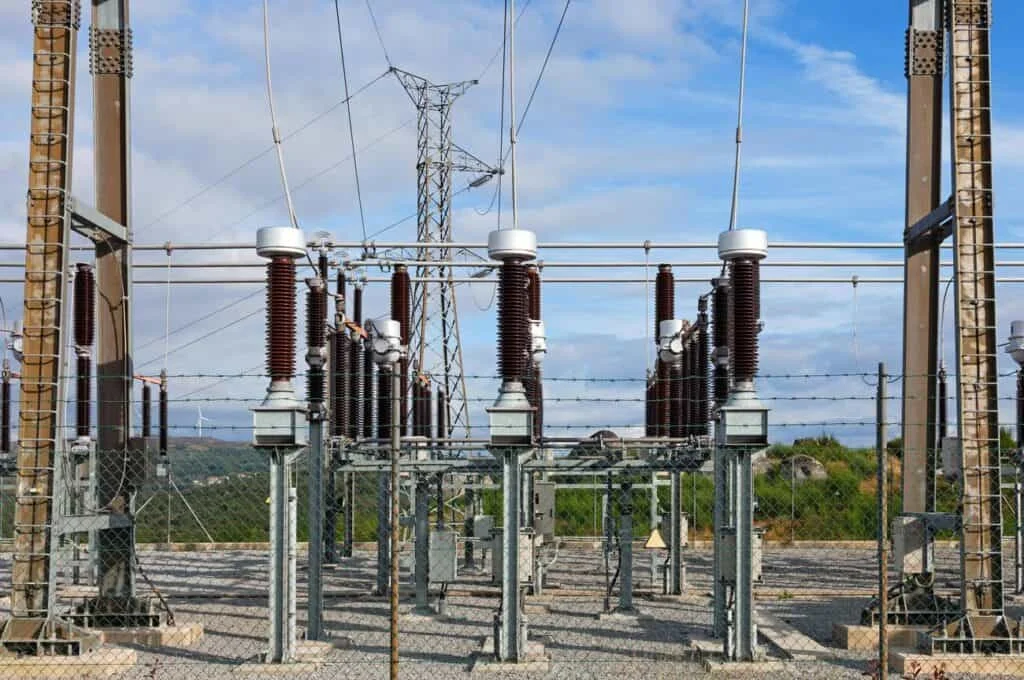
Why Circuit Breaker Trips Frequently: Causes of Industrial Electrical Tripping in Manufacturing Facilities
Frequent tripping is often caused by why circuit breaker trips frequently issues such as motor overloads, short circuits, and ground faults in industrial systems. Learn how to diagnose electrical faults in manufacturing facilities in Kenya.
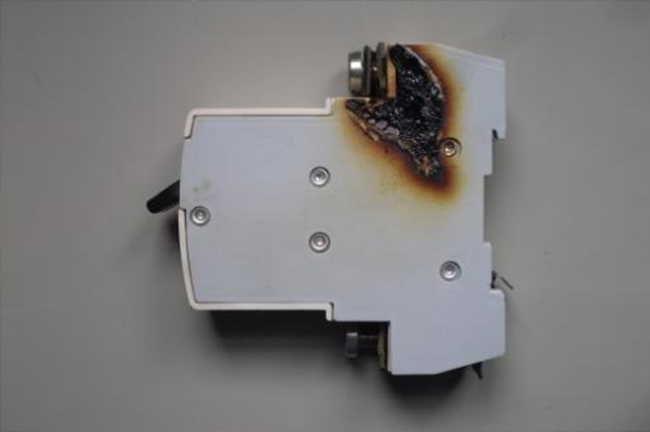
Manufacturing plants rely heavily on stable electrical distribution systems to keep motors, conveyors, compressors, and control systems running. When a circuit breaker trips repeatedly, it is not a fault to ignore—it is a protective response indicating abnormal electrical conditions that could lead to equipment damage or fire risk.
In Kenya’s industrial environment, where fluctuating supply from KPLC, expanding motor loads, and aging infrastructure are common, nuisance tripping is a frequent operational challenge. Understanding the root cause is critical to maintaining uptime and protecting electrical assets.
Related Products

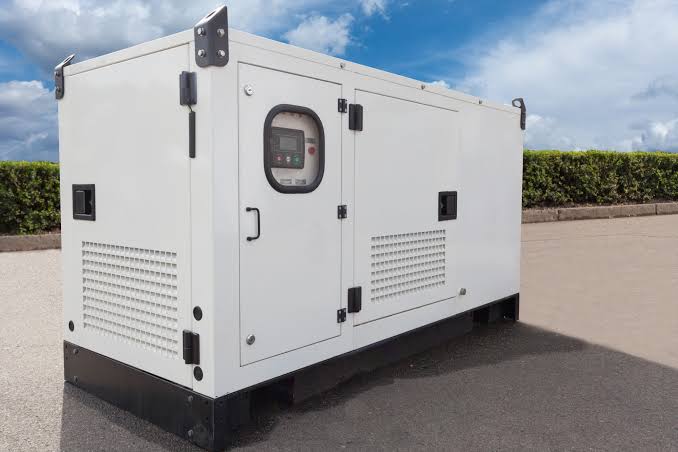
ATS / MTS Kenya
ATS/MTS solutions from Paneltech Systems provide reliable Automatic and Manual Transfer Switches for seamless power transfer in industrial and commercial electrical systems.
View Product
Distribution Boards
Distribution boards divide the main electrical power supply into smaller circuits while providing circuit protection for residential, commercial and industrial applications.
View Product
Meter Boards
Meter boards house electricity meters, circuit breakers, fuses and other protective devices for proper monitoring and regulation of electrical supply.
View Product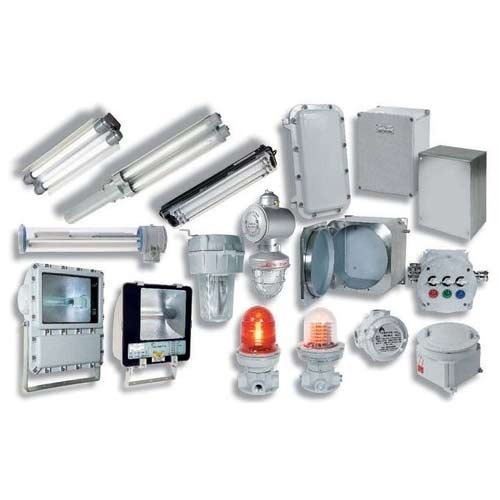
Light Accessories
A comprehensive range of lighting accessories for commercial and industrial electrical installations.
View ProductPaneltech Systems Ltd provides engineered LV distribution and protection systems designed for industrial reliability. Explore solutions at products and low-voltage-panels.
Sustained Motor Overloads and Thermal Protection Trips
Circuit breakers trip frequently when motors draw current beyond their rated capacity for extended periods. This sustained overload causes thermal elements in the breaker to heat up and disconnect the circuit to prevent insulation damage. Overloading is one of the most common causes of repeated breaker tripping in manufacturing plants.
Industrial motors in Kenya often operate under varying mechanical loads—such as blocked conveyors, worn bearings, or overfilled compressors. These conditions force motors to draw higher current than their design rating.
Thermal-magnetic breakers are designed to respond to this condition by triggering after a delay, which explains why tripping may occur after several minutes of operation.
Correct motor sizing, soft starters, and VFD-based control systems can significantly reduce overload-related tripping.
For advanced motor control systems, seevfd-drives and #motor-control-panels.
Short Circuits and Instantaneous Fault Tripping
A short circuit causes immediate breaker tripping due to a sudden surge of extremely high current. This is a protective mechanism designed to prevent catastrophic damage to cables, busbars, and equipment. Even a brief phase-to-phase or phase-to-earth contact can trigger an instantaneous trip.
Short circuits typically result from damaged insulation, loose wiring, rodent activity, or mechanical failure inside electrical panels.
In industrial environments, vibration and thermal cycling can gradually degrade cable insulation, increasing the risk of faults.
When a short circuit occurs, the magnetic trip unit inside the breaker responds instantly, disconnecting the circuit within milliseconds.
Proper cable management, insulation testing, and periodic maintenance are essential to minimize short circuit risks.
Ground Faults and Leakage Current Detection
Ground faults occur when electrical current leaks from a live conductor to earth, causing breakers or ELCBs to trip. These faults often result from moisture ingress, damaged insulation, or contaminated electrical panels. Even small leakage currents can trigger protective devices repeatedly.
In Kenyan coastal regions such as Mombasa, humidity significantly increases the risk of leakage currents due to condensation inside panels.
Ground fault protection devices are designed to detect imbalance between phase and neutral currents and disconnect the circuit for safety.
These faults are often intermittent, making them difficult to diagnose without proper insulation resistance testing and thermal imaging.
For improved system reliability, IP-rated enclosures and proper sealing are critical. Learn more at low-voltage-panels.
Overloaded Distribution Networks and Phase Imbalance
Uneven load distribution across phases causes excessive current in one phase, leading to frequent breaker tripping. This condition increases neutral current and creates thermal stress in switchgear components. Phase imbalance is a hidden but major cause of nuisance tripping in factories.
In many Kenyan industrial facilities, new machinery is added without recalculating total load distribution. This results in one phase carrying significantly more load than others.
The imbalance causes breakers to trip even when total system capacity appears within limits.
Proper load balancing and panel redesign according to IEC 61439 standards are required to eliminate this issue.
Explore engineered solutions at low-voltage-panels and #apfc-112.
Harmonics from VFDs and Non-Linear Loads
Harmonic distortion from VFDs and electronic loads causes overheating and false tripping of circuit breakers. These distortions increase RMS current without increasing useful power output. As a result, breakers may trip even under seemingly normal load conditions.
Modern manufacturing facilities rely heavily on VFDs, UPS systems, and LED lighting systems, all of which introduce harmonics into the electrical network.
Harmonics increase neutral conductor heating and can confuse thermal-magnetic trip characteristics.
Solutions include harmonic filters, detuned capacitors, and properly engineered APFC systems.
For industrial-grade drive systems, visitfd-drives and #multispan-components.
Loose Connections and Hidden Thermal Faults
Loose electrical connections create resistance hotspots that trigger breaker trips due to localized overheating. These faults are often invisible until thermal imaging is performed. They are a leading cause of intermittent and unpredictable breaker operation.
Loose terminals at busbars, contactors, or breaker lugs increase resistance and generate heat under load.
Over time, this heat causes insulation degradation and eventual protective tripping.
Infrared thermography is the most effective diagnostic tool for identifying these hidden faults before failure occurs.
Faulty Circuit Breakers and Aging Protection Devices
Circuit breakers can fail internally due to aging, mechanical wear, or manufacturing defects. A degraded breaker may trip prematurely or fail to reset correctly. This leads to false assumptions about external electrical faults.
In industrial environments, breakers operate under frequent switching and high load conditions, which gradually wears internal components.
Dust contamination and thermal stress further reduce reliability.
Routine testing and replacement schedules are necessary to ensure protection devices remain reliable and compliant with IEC 60947 standards.
System Specifications Table: Industrial Protection and Distribution System
| Parameter | Specification |
|---|---|
| System Voltage | 415V AC, 3 Phase |
| Frequency | 50Hz |
| Breaker Type | MCCB / ACB (Thermal-Magnetic / Electronic Trip) |
| Fault Protection | Overload, Short Circuit, Earth Fault |
| Enclosure Rating | IP54 / IP65 |
| Busbar Material | Electrolytic Copper |
| Standards Compliance | IEC 60947, IEC 61439, EPRA Guidelines |
| Cooling Method | Natural / Forced Air Ventilation |
| Application | Industrial & Manufacturing Facilities |
Preventive Maintenance Strategies for Reduced Tripping
Preventive maintenance significantly reduces nuisance breaker tripping by identifying faults before they escalate. Routine testing, tightening of connections, and thermal scanning improve system reliability. Predictive monitoring helps eliminate unexpected downtime in industrial plants.
Recommended practices include:
- Infrared thermal scanning of panels
- Insulation resistance testing (megger testing)
- Load balancing across phases
- Regular breaker calibration and testing
- Cleaning of dust and moisture control
Kenyan industries adopting predictive maintenance experience higher uptime and reduced electrical failures.
Key Engineering Insight for Kenyan Industrial Systems
Frequent breaker tripping is rarely a single-fault issue. It is usually a combination of overload, environmental stress, and poor system design.
In Kenya, additional contributing factors include:
- KPLC voltage fluctuations
- High humidity in coastal regions
- Dust contamination in dry industrial zones
- Rapid machinery expansion without electrical redesign
Proper electrical engineering design and maintenance practices are essential to eliminate recurring faults.
Paneltech Systems Ltd delivers IEC-compliant LV panels, APFC systems, and VFD solutions engineered for these real-world conditions. Learn more atknowledge-site.