Switchboard Upgrade Kenya: Capacity Expansion Guide
A switchboard upgrade Kenya project can increase electrical capacity without rebuilding the entire switchroom. Learn how engineers add feeders, extend busbars, upgrade protection devices, and improve reliability while reducing downtime and controlling upgrade costs.
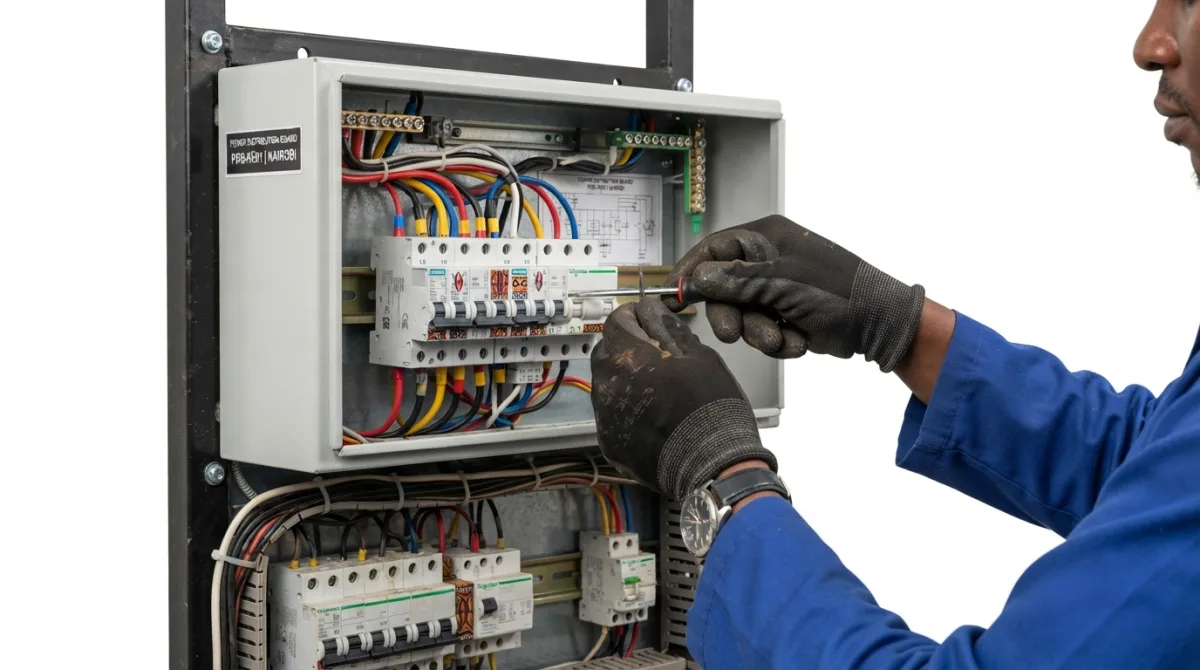
Electrical demand in Kenyan commercial and industrial facilities continues to increase as businesses expand production lines, install automation systems, integrate renewable energy, and add higher-capacity equipment. In many cases, the existing switchroom has sufficient physical space, but the electrical switchboard no longer has enough capacity to support new loads.
This creates a common engineering challenge: how do you increase electrical capacity without completely rebuilding the switchroom?
Related Products

ATS / MTS Kenya
ATS/MTS solutions from Paneltech Systems provide reliable Automatic and Manual Transfer Switches for seamless power transfer in industrial and commercial electrical systems.
View Product
LED Lights
Paneltech Systems offers high-quality LED lighting solutions for indoor and outdoor applications ÔÇö bright, energy-efficient lighting for commercial and industrial spaces.
View Product
Light Accessories
A comprehensive range of lighting accessories for commercial and industrial electrical installations.
View Product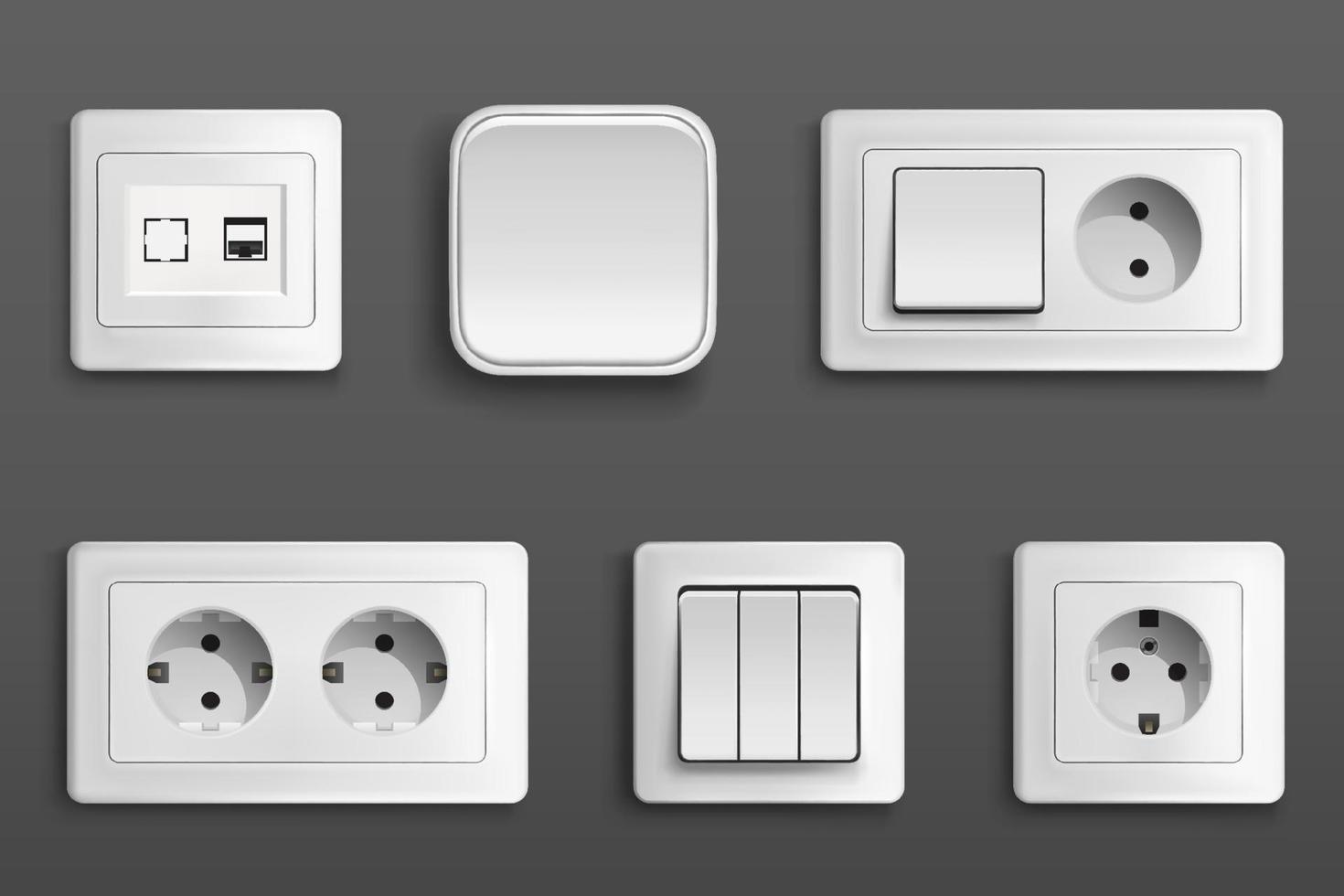
Switches and Sockets
Quality switches and sockets for residential, commercial and industrial electrical installations.
View ProductA properly planned switchboard upgrade Kenya project allows facilities to improve power distribution by extending busbars, adding new feeders, upgrading protection devices, improving metering, and preparing for future expansion while keeping disruption to operations as low as possible.
Unlike a complete replacement, a switchboard upgrade focuses on improving an existing electrical installation where the enclosure, room layout, and major infrastructure remain suitable.
Plant engineers, facility managers, and electrical consultants must consider:
- Available spare capacity
- Existing fault ratings
- Busbar loading
- Cable routes
- Protection coordination
- Shutdown duration
- Future expansion requirements
A poorly planned upgrade can create safety issues, protection failures, and unexpected downtime. A professionally engineered upgrade ensures the modified switchboard performs safely under increased demand.
At Paneltech Systems Ltd, we provide engineered electrical solutions including LV switchboards, APFC panels, MCC panels, ATS systems, VFD panels, and customised power distribution upgrades. Learn more about our capabilities through our electrical engineering and company profile and explore our low-voltage panel solutions.
What Is a Switchboard Upgrade?A switchboard upgrade is the process of increasing the capability of an existing electrical distribution board without necessarily replacing the entire installation. It may involve adding feeders, upgrading breakers, improving protection, or modifying internal arrangements to support higher loads.
A switchboard upgrade may include:
- Adding new outgoing feeders
- Increasing breaker ratings
- Installing modern protection devices
- Upgrading metering systems
- Extending busbar sections
- Improving segregation
- Adding communication capability
The objective is to improve system performance while maintaining the existing infrastructure where possible.
Typical upgrade projects include:
- Factory expansion
- New production equipment
- Additional office floors
- Solar integration
- EV charging installations
- Data centre expansion
- Commercial building upgrades
Many electrical installations were designed for lower loads than facilities currently require. A switchboard upgrade allows businesses to increase capacity safely without unnecessary reconstruction costs and long shutdown periods.
Kenyan industries are experiencing increased electrical demand due to:
- Automation equipment
- Manufacturing expansion
- Refrigeration systems
- Water pumping systems
- HVAC installations
- Renewable energy systems
A factory that originally operated with a 400A incomer may eventually require significantly higher capacity due to additional machinery.
Replacing the entire electrical room may not always be necessary if the existing infrastructure can be safely upgraded.
Can You Add Capacity Without Rebuilding the Switchroom?Yes, many facilities can increase electrical capacity without rebuilding the entire switchroom. Engineers can often achieve this through busbar extensions, feeder additions, breaker upgrades, and improved protection systems, provided the existing enclosure, fault rating, and physical layout are suitable.
Before upgrading, engineers must assess:
- Existing switchboard condition
- Available internal space
- Busbar capacity
- Short-circuit withstand rating
- Cable capacity
- Protection settings
- Future load requirements
A detailed assessment determines whether upgrading is technically and economically viable.
Switchboard Upgrade Specifications TableA successful switchboard upgrade requires careful evaluation of electrical ratings, mechanical condition, and compliance requirements before modifications are made.
| Specification | Typical Requirement |
|---|---|
| System Voltage | 415V AC |
| Frequency | 50 Hz |
| Busbar Material | Copper |
| Busbar Rating | Load Dependent |
| Fault Withstand Rating | 25kA–65kA |
| Protection Devices | MCCB / ACB / MCB |
| Metering | Multifunction Energy Meter |
| Enclosure Rating | IP54 / IP65 Depending on Location |
| Standard | IEC 61439 |
| Upgrade Method | Feeder Addition / Retrofit / Expansion |
A switchboard upgrade is usually required when electrical demand exceeds available capacity, when components become obsolete, or when the existing system cannot meet current safety and operational requirements.
Common warning signs include:
Frequent Breaker Trips
Repeated tripping may indicate:
- Overloaded feeders
- Poor load distribution
- Incorrect breaker ratings
- Increased equipment demand
No Spare Feeders Available
Older switchboards often have no space for:
- New machinery
- Additional buildings
- Solar systems
- Future circuits
Overheating Components
Signs include:
- Hot connections
- Discoloured terminals
- Increased temperature readings
Outdated Protection
Older panels may lack:
- Modern MCCBs
- Electronic protection
- Energy monitoring
- Remote communication
Busbar extension is one of the most common methods of increasing switchboard capacity because it allows additional feeders to be installed without replacing the complete panel assembly.
Busbar upgrades require checking:
- Existing current rating
- Temperature rise limits
- Mechanical support
- Short-circuit withstand capability
- Connection quality
A poorly designed busbar extension can create:
- Hot spots
- Uneven current sharing
- Increased losses
- Safety risks
Professional engineering assessment is essential before modification.
Paneltech designs and manufactures engineered LV switchboards suitable for industrial and commercial power distribution requirements.
Adding feeders allows facilities to connect new loads without replacing the complete switchboard. However, available space, protection coordination, and fault levels must be verified before installation.
New feeders may supply:
- Motors
- Production equipment
- HVAC systems
- Solar inverters
- EV chargers
- Additional distribution boards
Engineers must confirm:
- Breaker compatibility
- Cable sizing
- Selectivity
- Short-circuit rating
A feeder addition should be treated as an engineered modification, not a simple component installation.
Upgrading Circuit Breakers and Protection DevicesReplacing outdated breakers with modern protection devices can improve safety, reliability, and system monitoring while extending the useful life of an existing switchboard.
Upgrades may include:
- MCCB replacement
- ACB replacement
- Electronic trip units
- Protection relay upgrades
- Surge protection installation
Modern protection provides:
- Adjustable settings
- Better fault coordination
- Improved diagnostics
- Remote monitoring options
Powering Kenya's Future with Reliable Electrical Solutions
Email: [email protected]
Phone: 0799 531765
Location: Nairobi, Kenya
Website: https://paneltechsystems.co.ke/
Our Specialized Services:
- Low Voltage (LV) Panels & APFC Panels
- VFD Drive Solutions & ATS / MTS Systems
- Solar Power & EV Charging Infrastructure
- Electrical Supplies & Engineering Consultations