Preventive Maintenance Industrial Panels: Clean, Tighten and Test Guide
A complete guide to preventive maintenance industrial panels, covering cleaning dust buildup, switchboard torque verification, and insulation resistance testing to ensure long-term reliability of electrical systems.
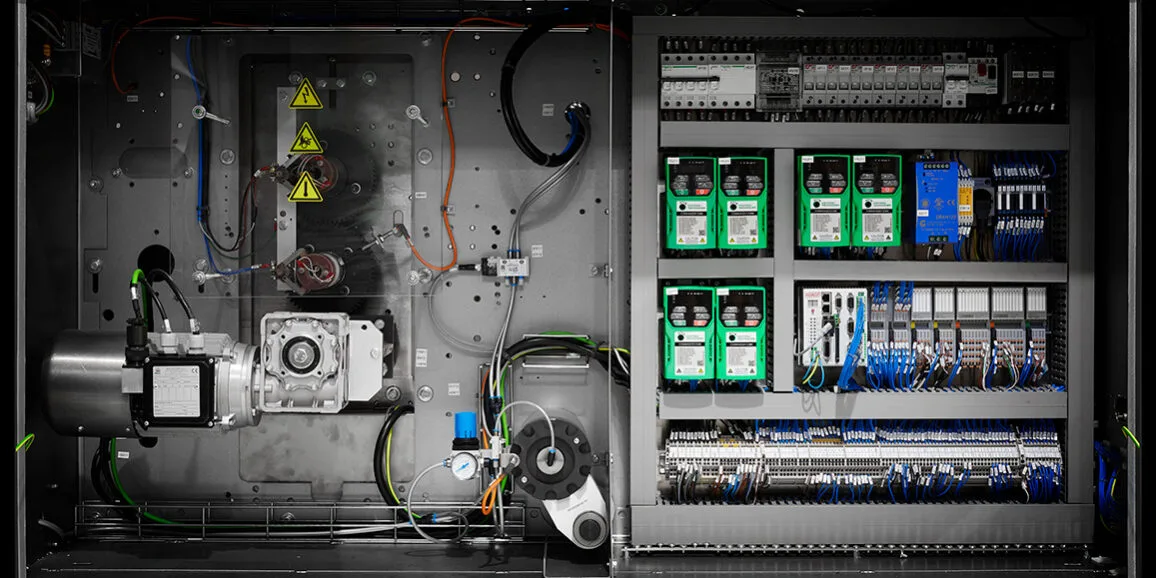
Industrial electrical panels are the control center of every manufacturing facility. They distribute power, protect equipment, and coordinate automation processes. When they fail, entire production lines stop instantly.
In Kenya’s industrial environments, panels are exposed to additional stress from dust, humidity, voltage fluctuations, and continuous heavy loading. Without structured preventive maintenance, even high-quality LV panels degrade rapidly due to overheating, loose connections, and insulation failure.
Related Products

LV Panel
High-quality low voltage panels designed for reliable power distribution and protection in industrial and commercial installations.
View Product
Feeder Pillar Panels
Feeder pillar panels providing reliable power distribution solutions for outdoor and indoor industrial and commercial applications.
View Product
PLC Automation Panels
Advanced PLC automation panels for intelligent control of industrial processes, tailored to your operational requirements.
View Product
Starter Panels
Motor starter panels for safe starting and stopping of industrial motors with overload and short circuit protection.
View ProductPreventive maintenance is not optional—it is a core engineering requirement for safety, uptime, and energy efficiency.
Paneltech Systems Ltd designs and supplies industrial LV panels, APFC systems, and VFD-based control systems engineered for long-term reliability. Learn more atproducts and knowledge-site.
Scope of Preventive Maintenance for Industrial Panels
Preventive maintenance for industrial panels involves systematic cleaning, tightening, testing, and inspection of electrical components to ensure safe and efficient operation. It prevents unexpected failures and extends equipment lifespan. It is essential for industrial reliability and compliance.
This SOP applies to:
- LV distribution panels
- Motor control centers (MCCs)
- APFC capacitor banks
- ATS/MTS switchgear systems
- VFD control panels
Maintenance activities are divided into cleaning, mechanical tightening, electrical testing, and safety verification.
Safety Requirements Before Panel Maintenance
Electrical panel maintenance must always follow strict safety isolation procedures to prevent electric shock and arc flash incidents. Proper isolation ensures technician safety and system protection. No maintenance should be performed on energized panels unless specifically designed for live testing.
Mandatory safety steps:
- Switch off upstream power supply
- Apply lockout/tagout (LOTO) procedures
- Verify absence of voltage using calibrated tester
- Discharge stored energy in capacitors
- Wear PPE including insulated gloves and arc-rated clothing
Compliance with IEC 61439 and IEC 60364 is required for industrial maintenance operations.
Panel Cleaning Procedure (Dust, Moisture & Contamination Control)
Cleaning industrial electrical panels removes dust and moisture that can cause insulation breakdown and overheating. Contamination is a major cause of electrical failure in industrial environments. Regular cleaning improves reliability and heat dissipation.
Cleaning steps:
- Use dry, anti-static brushes for dust removal
- Apply industrial vacuum for fine particles
- Clean ventilation grills and filters
- Inspect for moisture ingress or condensation
- Avoid water or liquid cleaners inside panels
In Kenyan environments, dust accumulation is particularly severe in manufacturing and construction zones, making frequent cleaning essential.
Panels with poor cleanliness often experience tracking faults and insulation degradation.
Switchboard Torque Verification Guide (Mechanical Tightening)
Torque verification ensures all electrical connections are properly tightened to manufacturer specifications. Loose connections generate heat due to resistance. This is one of the leading causes of panel failure.
Loose busbar joints and terminal connections cause:
- Localized overheating
- Voltage drop across joints
- Arc formation risk
- Equipment damage over time
Torque Reference Chart (Industrial Standard Guide)
| Component Type | Recommended Torque Range |
|---|---|
| MCCB Terminals | 2.5 – 5 Nm |
| MCB Terminals | 1.2 – 2.0 Nm |
| Copper Busbar Joints | 20 – 40 Nm |
| Cable Lugs (Small) | 8 – 12 Nm |
| Cable Lugs (Large) | 20 – 50 Nm |
| Contactor Terminals | 1.5 – 3 Nm |
Torque values must always follow manufacturer datasheets for accuracy.
Proper torqueing should be verified using calibrated torque wrenches.
Electrical Panel Cleaning & Insulation Test Procedure
Insulation resistance testing measures the quality of electrical insulation in panels and cables. It detects leakage currents and early insulation failure. Low insulation resistance indicates high risk of electrical breakdown.
Insulation Resistance Testing Procedure:
- Isolate all loads and power sources
- Disconnect sensitive electronic components
- Use calibrated megger tester (500V or 1000V depending on system)
- Test phase-to-phase and phase-to-earth
- Record readings for comparison over time
Recommended Acceptance Values:
| System Voltage | Minimum Insulation Resistance |
|---|---|
| 230V Systems | > 1 MΩ |
| 415V Systems | > 1–5 MΩ (recommended higher) |
| MV Systems | > 10 MΩ or as per IEC standards |
Low readings indicate moisture ingress, dust contamination, or cable degradation.
Thermal Stress Inspection and Overheating Detection
Thermal inspection identifies hotspots in electrical panels caused by loose connections or overload conditions. Early detection prevents catastrophic failure. Infrared scanning is a critical predictive maintenance tool.
Common overheating points:
- Busbar joints
- MCCB and breaker terminals
- Contactor connections
- Neutral bars
Thermal imaging should be conducted during load conditions for accurate diagnosis.
In Kenyan industries, overheating is often worsened by high ambient temperatures and inadequate ventilation.
Mechanical Inspection of Panel Components
Mechanical inspection ensures all physical components are intact and operating correctly. It prevents vibration-related loosening and mechanical failure. It improves long-term system stability.
Inspection tasks include:
- Checking door seals and enclosure integrity
- Verifying hinge and lock functionality
- Inspecting cable glands for tightness
- Checking mounting rail stability
- Ensuring no physical deformation of components
Mechanical stress often precedes electrical failure in industrial systems.
System Specifications Table: Industrial Panel Maintenance Standards
| Parameter | Specification |
|---|---|
| Maintenance Type | Preventive + Predictive |
| Cleaning Method | Dry anti-static / vacuum |
| Torque Verification Tool | Calibrated torque wrench |
| Insulation Testing Tool | Megger (500V / 1000V) |
| Inspection Frequency | Monthly / Quarterly |
| Standards Compliance | IEC 61439 / IEC 60364 |
| Thermal Monitoring | Infrared thermography |
| Enclosure Rating | IP54 / IP65 |
| Application | Industrial LV Panels & MCCs |
Maintenance Schedule Framework (Industrial SOP Model)
A structured maintenance schedule ensures consistent system reliability and reduces unplanned downtime. It defines inspection frequency for each maintenance activity. It ensures compliance and operational discipline.
Recommended schedule:
- Daily: Visual inspection and alarm monitoring
- Weekly: Load and ventilation checks
- Monthly: Cleaning and torque verification
- Quarterly: Insulation and thermal testing
- Annual: Full system audit and component replacement review
Consistency is more important than intensity in preventive maintenance systems.
Kenya-Specific Panel Maintenance Challenges
Industrial electrical panels in Kenya face unique environmental and operational challenges:
- High dust levels in manufacturing zones
- Humidity in coastal regions
- Unstable grid voltage supply
- Rapid industrial expansion without system upgrades
- Limited adoption of predictive maintenance tools
These conditions accelerate wear and increase failure probability if maintenance is not structured.
Engineering Best Practices for Long-Term Panel Reliability
A reliable industrial maintenance system should include:
- Scheduled torque verification using calibrated tools
- Regular insulation resistance testing
- Thermal scanning under load conditions
- Environmental protection (IP-rated enclosures)
- Proper documentation of maintenance history
When applied consistently, these practices significantly extend panel lifespan and reduce downtime.
Paneltech Systems Ltd provides engineered LV panels, APFC systems, and industrial electrical solutions designed for harsh operational environments in Kenya.