MFM 14DC Kenya: Monitoring Direct Current Systems for Solar and Batteries
The MFM 14DC monitors voltage and current in DC systems like solar and batteries. It helps track power performance and differs from AC monitoring by measuring steady, one-directional electrical flow.
Introduction
Modern energy systems in Kenya increasingly rely on direct current (DC) power, especially in solar installations, battery storage systems, and telecom infrastructure. Unlike traditional grid power, these systems require specialized monitoring to ensure efficiency and reliability.
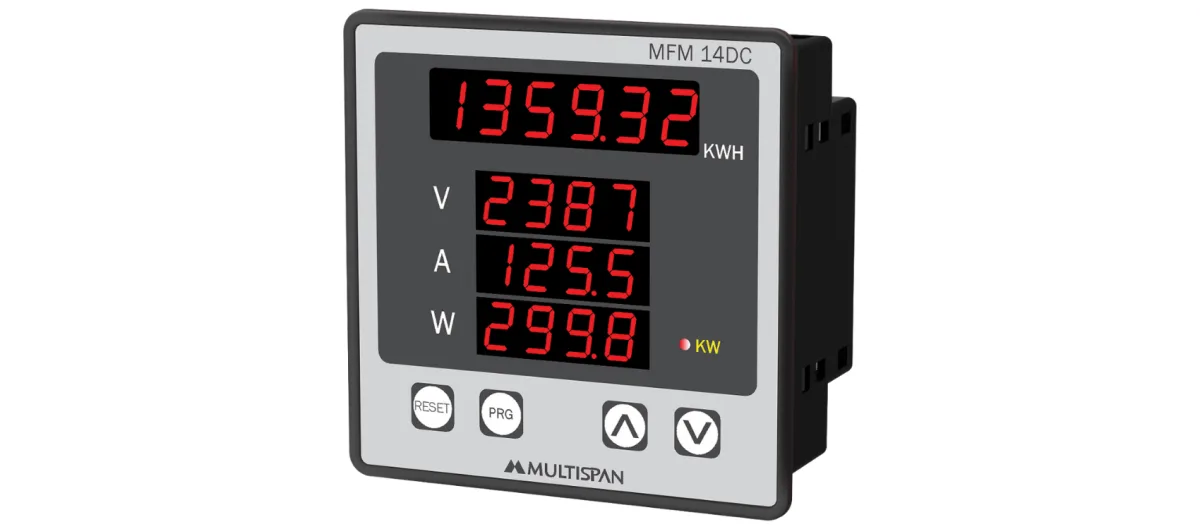
The MFM 14DC is a dedicated DC monitoring device designed to measure and display key electrical parameters such as voltage and current in real time.
Related Products
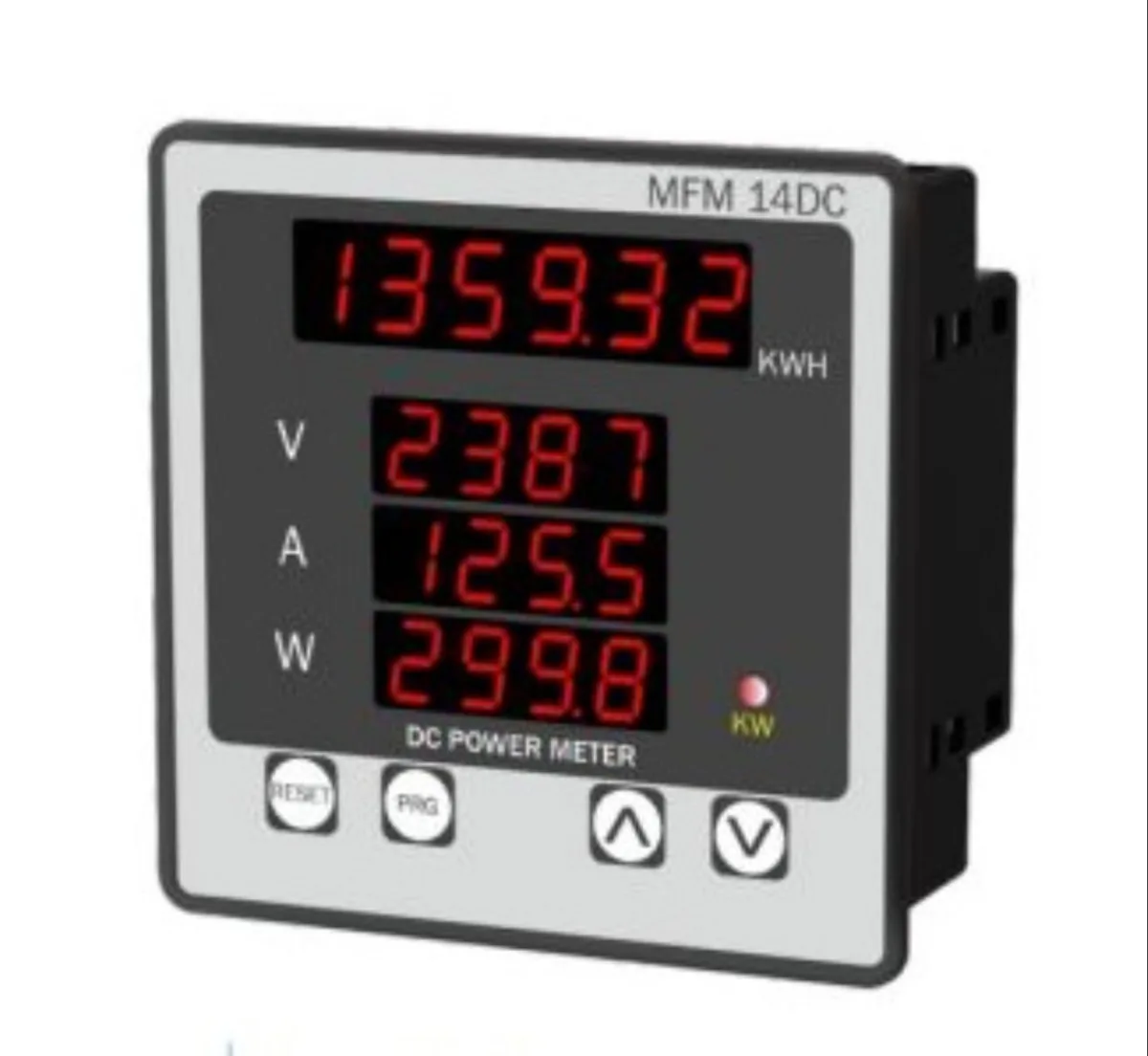
MFM 14DC
Multispan MFM 14DC DC multifunction meter designed for accurate measurement in DC power systems and renewable energy installations.
View Product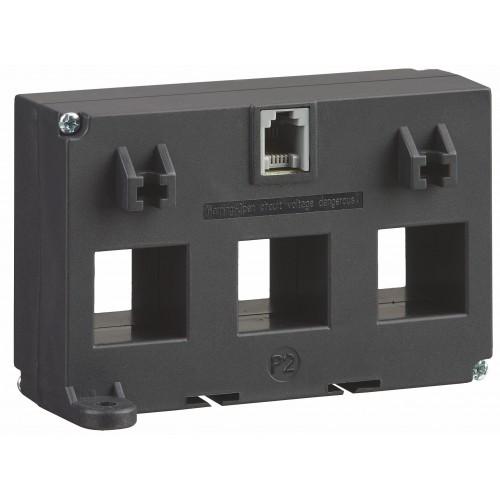
3 Phase Current Transformer
3-Phase Current Transformers for accurate power monitoring and measurement. Paneltech Systems offers high-quality Rishabh 3-Phase CTs for industrial energy monitoring and protection.
View Product
Solar AC DB Combiner
Solar AC distribution board combiners for safe integration of solar power generation into the main electrical grid.
View Product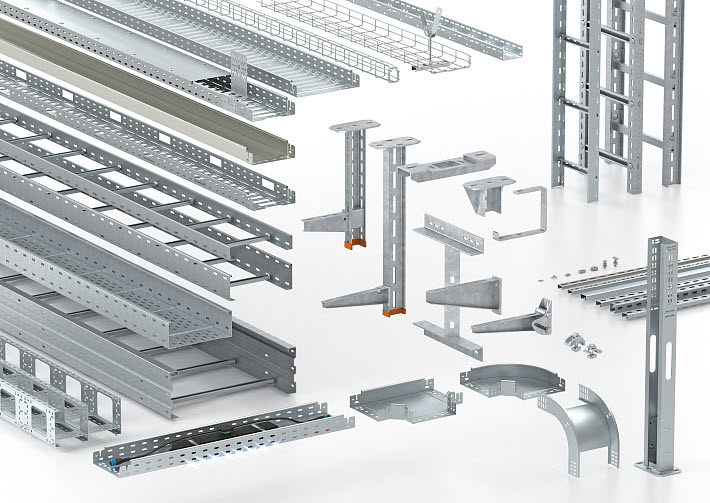
Cable Systems
Paneltech Systems offers comprehensive cable management systems for efficient, secure and organised cable setups across industrial and commercial environments.
View ProductYou can explore related monitoring solutions on the Panel Tech Systems products page or learn more about system integration on the About page.
What is the MFM 14DC?
The MFM 14DC is a digital meter designed specifically for monitoring direct current electrical systems.
It provides real-time readings of:
- DC Voltage (VDC)
- DC Current (A)
- Power flow in DC circuits
It is commonly used in:
- Solar power systems
- Battery storage systems
- Telecom backup power systems
- DC distribution panels
It integrates with modern low voltage panel systems used in renewable energy and backup power setups.
Understanding DC vs AC Monitoring
Electrical systems operate in two main types: Alternating Current (AC) and Direct Current (DC). Understanding the difference is important for selecting the right monitoring device.
What is AC (Alternating Current)?
AC power is the type supplied by the national grid.
Key characteristics:
- Current changes direction periodically
- Used in homes, offices, and industries
- Requires transformers for voltage changes
AC monitoring is typically used in standard electrical distribution systems.
What is DC (Direct Current)?
DC power flows in only one direction.
Key characteristics:
- Constant flow of electricity in one direction
- Used in solar panels and batteries
- Common in backup and renewable systems
DC is more stable for storage and electronic systems.
Key Difference Between AC and DC Monitoring
AC monitoring measures fluctuating current that changes direction continuously.
DC monitoring measures steady current flowing in one direction.
Simple Comparison
| Feature | AC Monitoring | DC Monitoring |
|---|---|---|
| Current Flow | Alternating direction | One direction |
| Stability | Varies over time | Constant |
| Common Use | Grid electricity | Solar, batteries |
| Measurement Device | AC meters | DC meters like MFM 14DC |
Why DC Monitoring is Important
DC systems must be carefully monitored to ensure solar and battery systems operate efficiently.
Without proper monitoring, energy losses and system failures can occur unnoticed.
Key Benefits
- Tracks solar power generation
- Monitors battery charging and discharge
- Prevents system overloading
- Improves energy efficiency
- Supports system diagnostics
Role of MFM 14DC in Solar Systems
In solar installations, DC power flows from:
- Solar panels → charge controller → batteries → inverter
The MFM 14DC helps monitor:
- How much energy is being generated
- Battery charging levels
- DC system performance
This ensures optimal energy utilization in off-grid and hybrid systems.
Real-World Application in Kenya
In a solar-powered telecom station in rural Kenya:
- Solar panels generate DC power during the day
- Batteries store energy for nighttime operation
- MFM 14DC monitors voltage and current continuously
This allows engineers to:
- Track system performance remotely
- Detect battery inefficiencies early
- Ensure uninterrupted network operation
For installation and support, visit our contact page.
System Specifications Table
| Parameter | Specification |
|---|---|
| Device Type | DC Energy Meter |
| Model | MFM 14DC |
| Measurement | Voltage, Current (DC) |
| Application | Solar & Battery Systems |
| Display | Digital LCD |
| System Type | Direct Current (DC) |
| Standards Compliance | IEC standards |
Integration with Electrical Systems
The MFM 14DC integrates with:
- Solar power systems
- Battery energy storage systems
- DC distribution panels
- Telecom backup systems
It is essential in modern renewable energy infrastructure.
Learn more about integrated solutions on the Panel Tech Systems homepage.
Conclusion
The MFM 14DC provides accurate monitoring of direct current systems used in solar and battery applications. By understanding the difference between AC and DC monitoring, users can better manage energy systems and improve efficiency.
For renewable energy and backup power systems in Kenya, DC monitoring is essential for reliable and optimized performance.
Call to Action
Contact Panel Tech Systems Ltd
Powering Kenya's Future with Reliable Electrical Solutions
Email: [email protected]
Phone: 0799 531765
Location: Nairobi, Kenya
Website: https://paneltechsystems.co.ke/
Our Specialized Services:
Low Voltage (LV) Panels & APFC Panels
VFD Drive Solutions & ATS / MTS Systems
Solar Power & EV Charging Infrastructure
Electrical Supplies & Engineering Consultations