Laundry Control Panels Kenya | Installation and Automation
Laundry control panel installation in Kenya enables fully automated, efficient, and reliable management of industrial laundry operations in hotels, hospitals, apartments, and laundromats. Using PLC-based systems and advanced electrical controls, these panels reduce manual labor
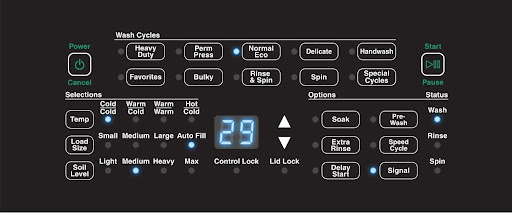
Across Kenya, the demand for efficient, high-capacity laundry operations is rising rapidly—especially in hotels, hospitals, commercial apartments, and industrial facilities. Yet many laundry rooms still rely on manual systems that are slow, inconsistent, and energy-inefficient.
Frequent power fluctuations, high labor costs, and increasing operational demands in cities like Nairobi, Mombasa, Kisumu, and Eldoret are forcing facility managers to rethink how laundry operations are controlled. This is where laundry control panels Kenya solutions become essential.
Modern automation systems using PLC-based electrical control panels are transforming laundry operations by improving precision, reducing downtime, and ensuring consistent output quality.
For industrial-grade reliability, companies rely on engineered solutions from trusted providers like
Panel Tech Systems through their engineering platforms such as
https://paneltechsystems.co.ke/products/ and https://paneltechsystems.co.ke/home-main/
What Is Laundry Control Panel Installation in Kenya?
Laundry control panel installation refers to the setup of electrical and automation systems that control industrial laundry machines such as:
- Washing machines
- Dryers
- Extractors
- Ironers
- Conveyor systems
These panels act as the central brain of a laundry facility, managing:
- Machine start/stop cycles
- Water intake and drainage
- Temperature regulation
- Motor control
- Safety interlocks
In Kenya’s industrial environment, these systems are critical due to unstable grid power and increasing automation needs in hospitality and healthcare sectors.
Why Laundry Automation Systems Are Important in Kenya
Kenya’s commercial and industrial sectors face several operational challenges:
1. Unstable Power Supply
Voltage fluctuations in Nairobi and coastal regions like Mombasa can damage sensitive laundry equipment.
2. High Labor Costs
Manual laundry processes require large teams, increasing operational expenses.
3. Growing Hospitality Industry
Hotels and serviced apartments require fast turnaround times for linens and uniforms.
4. Industrial Expansion
Factories, hospitals, and institutions demand consistent hygiene standards.
Automation solves these issues by improving efficiency and reducing dependency on manual labor.
Explore more industrial automation solutions here:
https://paneltechsystems.co.ke/products/low-voltage-panels/
How Laundry Control Panels Work
Laundry control panels use a combination of electrical switching devices, PLC programming, and sensor integration.
Core Components:
- Programmable Logic Controller (PLC)
- Contactors and relays
- Circuit breakers
- HMI (Human Machine Interface)
- Sensors (temperature, water level, pressure)
- Motor drives (VFDs)
Working Process:
- Operator selects washing program via HMI
- PLC initiates water intake
- Temperature sensors regulate heating
- Motor drives control drum speed
- Drain cycle activates automatically
- Drying and extraction cycles are synchronized
This reduces human error and ensures consistent laundry quality.
Applications of Laundry Control Panels in Kenya
Laundry automation systems are widely used across multiple industries:
1. Hotels & Hospitality
- Nairobi hotels require fast linen turnover
- Ensures guest-ready rooms within strict timelines
2. Hospitals & Healthcare Facilities
- Strict hygiene compliance
- Automated sterilization cycles
3. Residential Apartments
- Shared laundry rooms benefit from automation
- Reduces maintenance costs
4. Industrial Laundromats
- High-volume continuous operations
- Reduced downtime and labor dependency
Benefits of Laundry Control Panel Installation
Operational Benefits
- Faster laundry cycles
- Reduced downtime
- Improved machine lifespan
Financial Benefits
- Lower labor costs
- Reduced energy consumption
- Minimal maintenance expenses
Technical Benefits
- Precise motor control
- Protection from overload
- Improved safety compliance
Environmental Benefits
- Optimized water usage
- Reduced energy wastage
Common Mistakes in Laundry Automation Installation
Many facilities in Kenya make costly errors such as:
- Using non-PLC-based systems
- Poor grounding and earthing
- Undersized electrical panels
- Ignoring load balancing
- Poor ventilation in control rooms
These mistakes often lead to equipment failure and operational downtime.
Professional installation ensures compliance with standards like IEC 61439 and local Kenya Power regulations.
Cost Considerations in Kenya
The cost of laundry control panel installation in Kenya depends on:
- System size and capacity
- Level of automation (manual vs PLC-based)
- Number of machines integrated
- Quality of components
- Installation complexity
Typical Cost Factors:
- Small laundromats: Lower cost automation setups
- Hotels & hospitals: Mid to high-range systems
- Industrial laundries: Fully integrated PLC systems
For tailored industrial solutions:
https://paneltechsystems.co.ke/shop/?orderby=popularity
Technical Engineering Insights (Expert Section)
Laundry control panel systems require advanced electrical engineering design considerations:
1. Load Analysis
Proper load calculation ensures safe distribution of power across motors and heating systems.
2. Compliance Standards
Systems must comply with:
- IEC 61439 (Low-voltage switchgear assemblies)
- IEC motor control standards
- Kenya Power installation guidelines
3. Protection Systems
- Overcurrent protection
- Phase failure detection
- Short circuit protection
4. Environmental Design
Kenyan conditions require:
- Dust-resistant enclosures (IP54/IP65)
- Heat-resistant components
- Corrosion protection in coastal areas
Explore engineered solutions:
https://paneltechsystems.co.ke/products/vfd-drives/
Comparison Table: Manual vs Automated Laundry Systems
| Feature | Manual Laundry System | Automated Control Panel System |
|---|---|---|
| Efficiency | Low | High |
| Labor Requirement | High | Minimal |
| Energy Usage | Inefficient | Optimized |
| Error Rate | High | Very Low |
| Maintenance | Frequent breakdowns | Predictive maintenance |
| Output Consistency | Variable | Uniform |
Step-by-Step Guide: Laundry Control Panel Installation
Step 1: Site Assessment
Evaluate machine load, space, and power availability.
Step 2: System Design
Select PLC type, motor controls, and safety components.
Step 3: Panel Fabrication
Assemble control panel with certified electrical components.
Step 4: Wiring & Integration
Connect laundry machines to control panel system.
Step 5: Programming
Configure PLC logic for washing cycles and automation.
Step 6: Testing & Commissioning
Run full system tests under load conditions.
Step 7: Training & Handover
Train staff on system operation and emergency protocols.
Frequently Asked Questions About Laundry Control Panels in Kenya
1. What is a laundry control panel?
It is an automated electrical system that manages industrial laundry machines and cycles.
2. Where are laundry control panels used in Kenya?
They are used in hotels, hospitals, laundromats, and residential complexes.
3. How does automation improve laundry operations?
It reduces manual labor, improves efficiency, and ensures consistent washing results.
4. Are laundry control systems suitable for small businesses?
Yes, scalable systems are available for small and large operations.
5. What standards are used in installation?
IEC 61439 and Kenya Power electrical safety standards are followed.
6. How long does installation take?
Typically between 3–10 days depending on system complexity.
7. What is the lifespan of a control panel?
With proper maintenance, 10–15 years or more.
8. Can systems handle power fluctuations in Kenya?
Yes, they are designed with protection systems for unstable grids.
Conclusion
Laundry control panel installation is transforming how industrial and commercial laundry operations function in Kenya. With increasing demand in Nairobi, Mombasa, Kisumu, and Eldoret, automation is no longer optional—it is a necessity for efficiency, cost control, and reliability.
From hotels to hospitals, businesses that adopt automated laundry systems benefit from improved productivity, reduced operational costs, and enhanced service delivery.
For advanced industrial automation and electrical engineering solutions, trusted providers like Panel Tech Systems continue to lead innovation across East Africa.
Power Your Project with Panel Tech Systems Today!
Whether you need a single distribution board or a full industrial electrical installation, our team of certified engineers is ready to deliver a tailored solution.
✔ IEC-Certified Electrical Panels
✔ End-to-End Engineering Solutions
✔ Trusted Across Kenya & East Africa
Call Us: 0799 531765
Email: [email protected]
Visit Us: Nairobi, Kenya