Why Electrical Panels Fail in Kenya: 2026 Engineering Guide and Specs | Paneltech Systems Kenya
Learn why electrical panels fail in Kenya and how engineers prevent common issues such as loose terminations, dust accumulation, moisture ingress, overheating, and undersized cables. Paneltech Systems provides reliable LV panel design, maintenance, and upgrades.
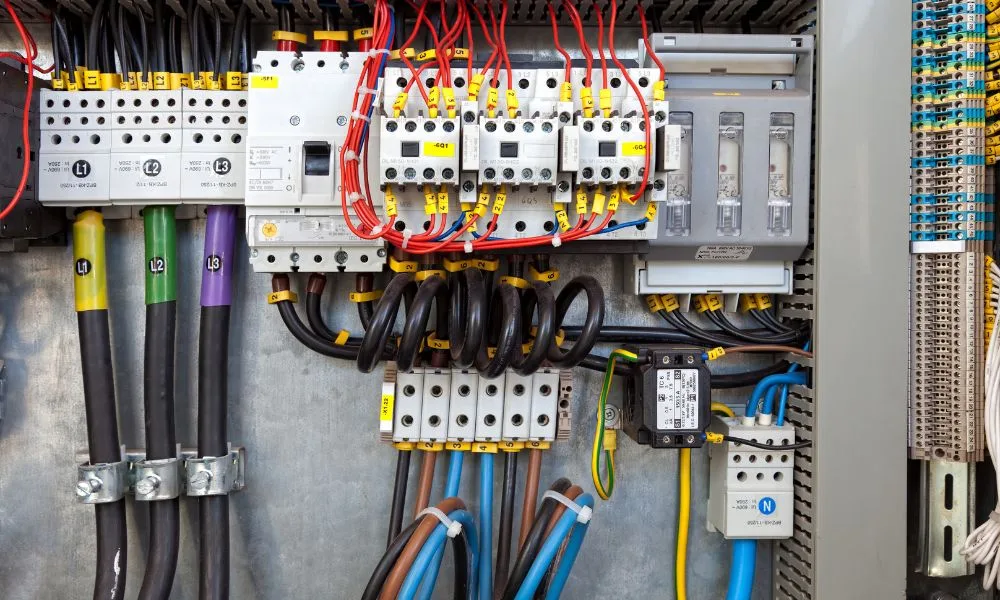
Electrical panels are designed to provide safe, reliable power distribution for industrial plants, commercial buildings, residential developments, hospitals, and infrastructure projects. However, even well-installed electrical panels can experience failures when design limitations, environmental conditions, poor maintenance, or incorrect component selection are ignored.
Understanding why electrical panels fail in Kenya is essential for facility managers, electrical engineers, contractors, and property developers who want to prevent unexpected shutdowns.
Related Products

ATS / MTS Kenya
ATS/MTS solutions from Paneltech Systems provide reliable Automatic and Manual Transfer Switches for seamless power transfer in industrial and commercial electrical systems.
View Product
Protection Panels
Robust protection panels safeguarding electrical systems and equipment from faults, overloads and short circuits.
View Product
Feeder Pillar Panels
Feeder pillar panels providing reliable power distribution solutions for outdoor and indoor industrial and commercial applications.
View Product
PLC Automation Panels
Advanced PLC automation panels for intelligent control of industrial processes, tailored to your operational requirements.
View ProductKenyan electrical installations face unique operating conditions, including KPLC supply fluctuations, lightning exposure, dust in industrial and rural areas, coastal humidity in regions such as Mombasa, and increasing electrical demand from automation, solar systems, and modern equipment.
Most panel failures are not sudden events. They usually develop over time through warning signs such as abnormal heating, unusual noise, repeated breaker trips, insulation deterioration, or visible corrosion.
At Paneltech Systems Ltd, we design, manufacture, maintain, and upgrade LV switchboards, APFC panels, ATS systems, motor control centres, and custom electrical solutions for Kenya's industrial and commercial sectors. Learn more about our engineering services at about, explore our solutions at products, or contact our team through contact.
Electrical panel failures in Kenya are commonly caused by loose connections, poor maintenance, environmental exposure, incorrect sizing, inadequate protection, ageing components, and poor installation practices. Identifying these issues early prevents costly downtime and safety risks.
The most common faults engineers encounter include:
- Loose electrical terminations
- Dust and contamination buildup
- Moisture and corrosion damage
- Undersized cables and overloaded circuits
- Poor protection coordination
- Lack of preventive maintenance
- Incorrect panel design or installation
Loose cable and busbar connections are one of the leading causes of electrical panel failure. Poor contact increases resistance, generates heat, and can eventually damage components.
Electrical connections naturally experience mechanical stress from:
- Thermal expansion and contraction
- Equipment vibration
- Switching operations
- Incorrect installation torque
Common affected areas include:
- Breaker terminals
- Cable lugs
- Busbar joints
- Neutral connections
- Earth connections
A loose connection creates electrical resistance. As current flows through the resistance point, heat increases, which accelerates component deterioration.
Warning Signs
Engineers often identify:
- Discoloured terminals
- Burn marks
- Hot spots during thermal scans
- Intermittent faults
- Unexpected breaker trips
Prevention
Recommended measures:
- Correct torque tightening
- Annual torque verification
- Infrared thermal inspection
- Proper cable lug installation
Dust accumulation reduces electrical reliability by affecting cooling, insulation performance, and mechanical operation of switchgear components. Industrial environments require regular cleaning schedules.
Kenya's industrial and agricultural regions often experience high dust levels, especially where electrical panels are installed near:
- Manufacturing processes
- Construction areas
- Warehouses
- Outdoor equipment
Dust can cause:
- Reduced ventilation
- Overheating
- Tracking across insulation surfaces
- Breaker mechanism problems
Dust Protection Measures
Engineers recommend:
- Correct IP-rated enclosures
- Proper gland sealing
- Filter maintenance
- Scheduled cleaning
For harsh environments, IP65-rated panels may provide better protection compared with standard IP54 enclosures.
Moisture ingress is a major cause of electrical panel deterioration, especially in coastal Kenya. Proper enclosure selection and environmental protection reduce corrosion risks.
Coastal areas such as Mombasa experience:
- High humidity
- Salt-laden air
- Corrosion risks
Moisture can damage:
- Busbars
- Terminals
- Circuit breakers
- Control components
Prevention Strategies
Recommended solutions include:
- IP65 enclosures where required
- Anti-corrosion treatment
- Proper ventilation
- Sealed cable entries
- Regular inspections
Electrical panels fail when cables, breakers, or busbars are not correctly sized for the actual load demand. Overloading creates excessive heat and reduces equipment lifespan.
Common causes include:
- Building expansions
- Additional machinery
- Increased office loads
- Solar integration
- EV charging installations
A panel designed for 300A operation may eventually fail if additional loads increase demand beyond its original rating.
Engineering Checks Include:
- Load assessment
- Diversity calculations
- Cable sizing
- Voltage drop calculations
- Short-circuit analysis
Panel upgrades may include:
- Larger busbars
- Higher-rated breakers
- Additional outgoing ways
- Improved cooling
Explore Paneltech LV panel solutions atproducts/low-voltage-panels.
Incorrect protection settings can cause unnecessary shutdowns or allow electrical faults to damage equipment. Proper coordination ensures faults are isolated safely.
Protection systems include:
- MCCBs
- ACBs
- MCBs
- RCDs
- Surge Protection Devices
- Protection relays
Common problems include:
- Incorrect breaker ratings
- Poor discrimination settings
- Missing surge protection
- Incorrect short-circuit ratings
A properly coordinated protection system allows only the affected section to disconnect.
Many electrical panel failures occur because small problems are ignored until they become major faults. Regular maintenance identifies developing issues before shutdowns occur.
A preventive maintenance programme should include:
- Visual inspection
- Thermal imaging
- Torque checks
- Cleaning
- Breaker testing
- Insulation inspection
- Earthing checks
Panel maintenance is especially important for:
- Manufacturing plants
- Hospitals
- Data centres
- Commercial buildings
- Hotels
Learn more about electrical maintenance practices through knowledge-site.
Incorrect electrical panel design can create reliability problems even when quality components are used. Proper engineering ensures correct sizing, protection, ventilation, and future expansion capability.
Common design problems include:
- Insufficient cable space
- Poor segregation
- Incorrect IP rating
- No spare capacity
- Inadequate ventilation
- Poor component selection
Modern critical installations often require:
- Form 4 segregation
- IEC 61439 compliance
- Digital monitoring
- Surge protection
- Power factor correction
Preventing electrical panel failure requires a combination of correct design, regular inspection, environmental protection, and timely component replacement.
| Inspection Area | Recommended Action |
|---|---|
| Terminations | Annual torque checks |
| Temperature | Infrared thermal scanning |
| Dust | Scheduled cleaning |
| Moisture | Enclosure inspection |
| Protection | Breaker testing |
| Load | Periodic assessment |
| Earthing | Continuity testing |
| Documentation | Update drawings and records |
| Standards | IEC 61439 compliance |
Reliable electrical panels require appropriate ratings, protection systems, and construction standards suited to Kenya's operating environment.
| Specification | Typical Requirement |
| Rated Voltage | 415V AC |
| Frequency | 50 Hz |
| Enclosure Rating | IP54 / IP65 |
| Busbar Material | Electrolytic Copper |
| Construction | Floor Standing / Wall Mounted |
| Segregation | Form 2–4 Depending on Application |
| Protection | MCCB, ACB, MCB, SPD |
| Standards | IEC 61439, IEC 60947 |
| Application | Industrial, Commercial, Residential |
KPLC voltage fluctuations and supply interruptions can increase stress on electrical panels and connected equipment. Power quality monitoring helps identify problems before they cause failures.
Engineers may assess:
- Voltage stability
- Phase imbalance
- Harmonic distortion
- Power factor
- Surge events
Solutions may include:
- Surge protection devices
- Voltage monitoring
- APFC panels
- UPS systems
- Generator integration
Paneltech provides APFC solutions through #apfc-112.
The correct IP rating protects electrical panels from dust and moisture exposure. Choosing between IP54 and IP65 depends on installation location and environmental conditions.
IP54 Applications
Suitable for:
- Indoor commercial spaces
- Electrical rooms
- Controlled environments
IP65 Applications
Recommended for:
- Outdoor installations
- Dust-heavy areas
- Coastal environments
- Industrial locations
Electrical panels should comply with recognised standards to ensure safety, reliability, and performance throughout their operating life.
Relevant standards include:
- IEC 61439 – Low Voltage Switchgear Assemblies
- IEC 60947 – Switchgear and Controlgear
- IEC 60364 – Electrical Installations
- IEC 61643 – Surge Protection
- BS EN electrical standards
- EPRA requirements applicable in Kenya
Paneltech Systems Ltd provides engineered electrical solutions designed for Kenya's demanding operating conditions. Our expertise covers panel design, manufacturing, maintenance, and system upgrades.
Our specialised services include:
- Low Voltage (LV) Panels & APFC Panels
- Motor Control Centres (MCCs)
- ATS / MTS Systems
- Solar Distribution Boards
- Electrical Panel Maintenance
- Switchgear Upgrades
- Power Quality Solutions
- Engineering Consultations
- Custom Panel Manufacturing
Explore our engineering solutions through home-main, access technical resources at knowledge-site, discover residential solutions at paneltechhomes, or visithome1.
Electrical panel reliability depends on correct design, installation, and maintenance. These questions address common causes of failures in Kenya.
What is the most common cause of electrical panel failure?
Loose electrical connections are among the most common causes because they create heat and damage components over time.
How often should electrical panels be inspected?
Most commercial and industrial panels should receive detailed inspections at least annually, with more frequent checks in harsh environments.
Can dust damage electrical panels?
Yes. Dust can reduce cooling efficiency, affect insulation performance, and interfere with switchgear operation.
Why do electrical panels overheat?
Common causes include overloaded circuits, loose connections, poor ventilation, and incorrect component sizing.
Can Paneltech inspect existing electrical panels?
Yes. Paneltech provides electrical inspections, maintenance support, upgrades, and engineering recommendations for existing installations.
Powering Kenya's Future with Reliable Electrical Solutions
Email: [email protected]
Phone: 0799 531765
Location: Nairobi, Kenya
Website: https://paneltechsystems.co.ke/
Our Specialized Services:
- Low Voltage (LV) Panels & APFC Panels
- VFD Drive Solutions & ATS / MTS Systems
- Solar Power & EV Charging Infrastructure
- Electrical Supplies & Engineering Consultations