What Is a Motor Control Center (MCC)? Industrial Guide and Specifications | Paneltech Systems Kenya
What is a Motor Control Center (MCC)? Learn how MCC panels centralize motor control, improve industrial efficiency, and ensure electrical safety in Kenyan factories using IEC-compliant switchgear systems.
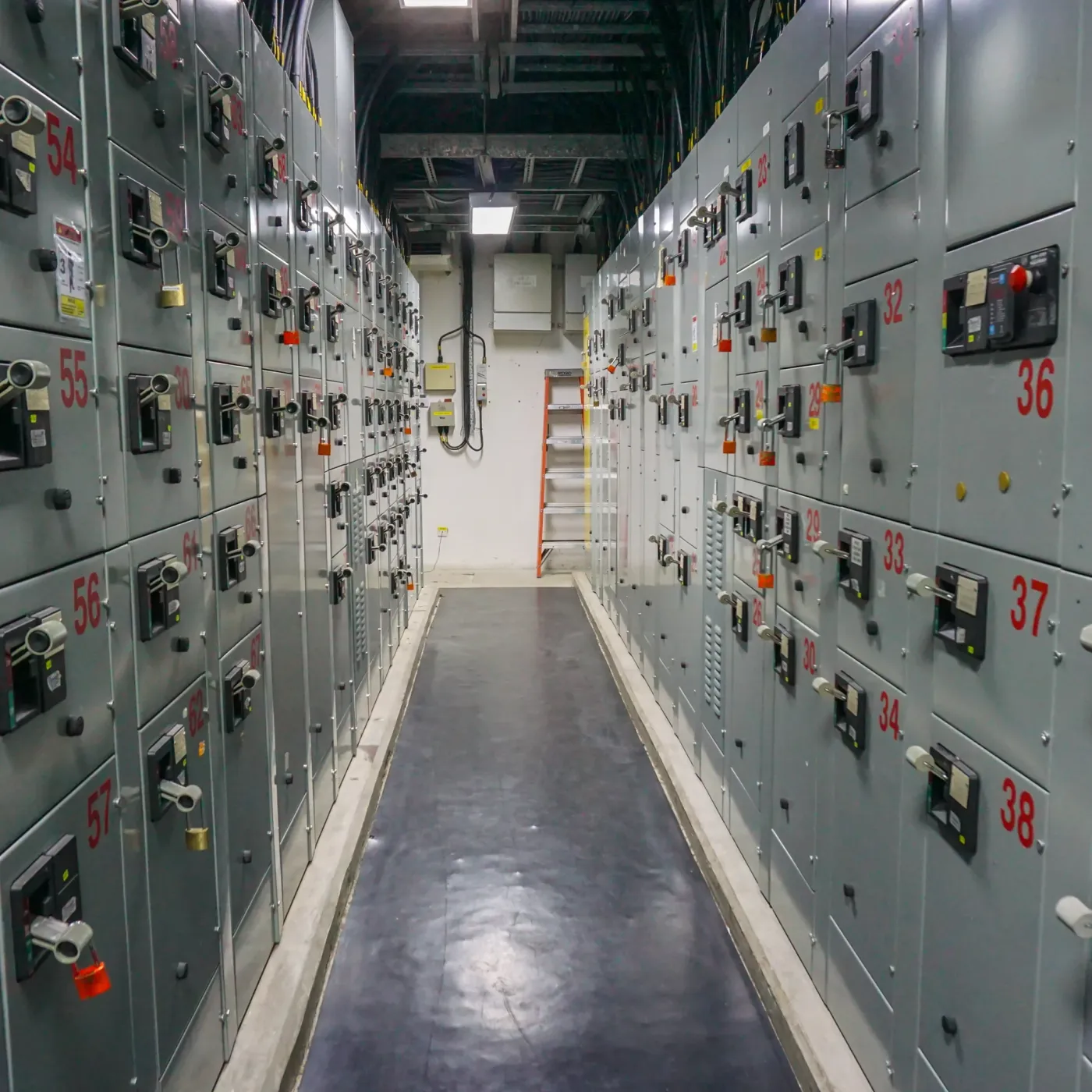
A Motor Control Center (MCC) is a centralized electrical system used to control, protect, and monitor multiple electric motors from a single location. It integrates motor starters, circuit protection devices, contactors, and sometimes VFDs into one structured enclosure.
In industrial facilities across Kenya, MCCs are essential for managing pumps, compressors, conveyors, and production line motors efficiently and safely. They improve operational control while reducing wiring complexity and downtime.
How a Motor Control Center (MCC) Works
An MCC distributes power from a main incoming feeder to multiple motor control units arranged in a structured panel lineup. Each motor feeder is independently controlled and protected using dedicated switching and protection devices.
Operators can start, stop, and protect motors locally or remotely depending on the automation level of the system. This makes MCCs critical for industrial reliability and process continuity.
Related Products

Motor Control
Reliable motor control panels for industrial and commercial use, providing customised solutions for safe and efficient motor operation.
View Product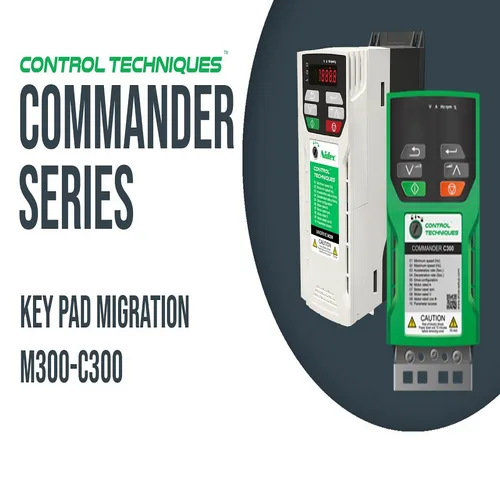
Commander C
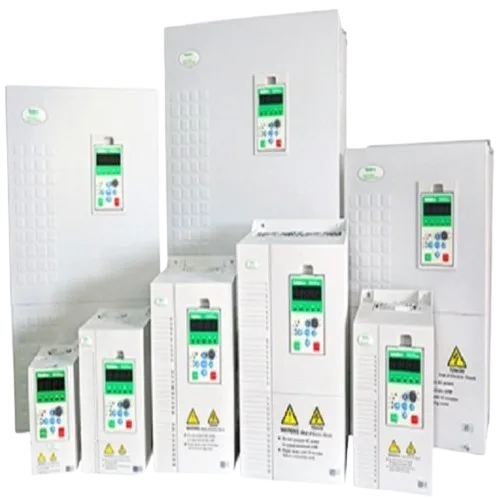
Commander C VFD Drives from Paneltech Systems provide advanced motor control for industrial and commercial applications. Enhance efficiency and reliability.
View Product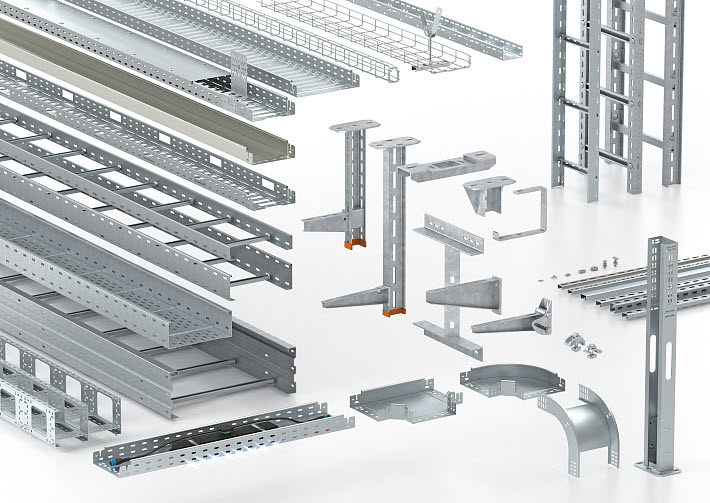
Cable Systems
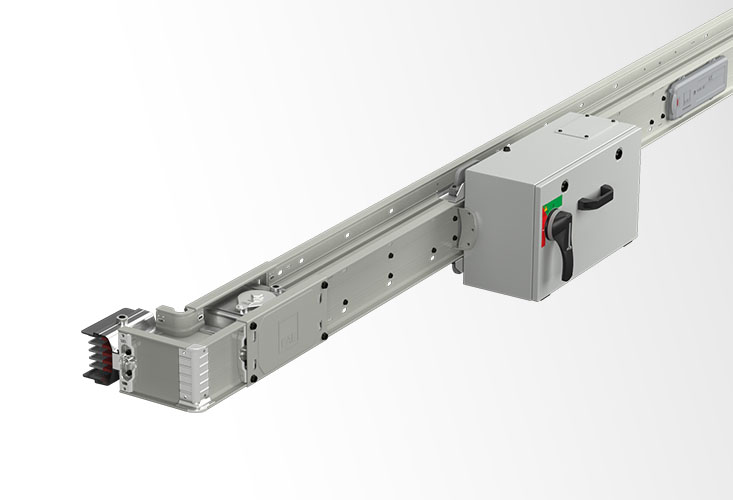
Paneltech Systems offers comprehensive cable management systems for efficient, secure and organised cable setups across industrial and commercial environments.
View Product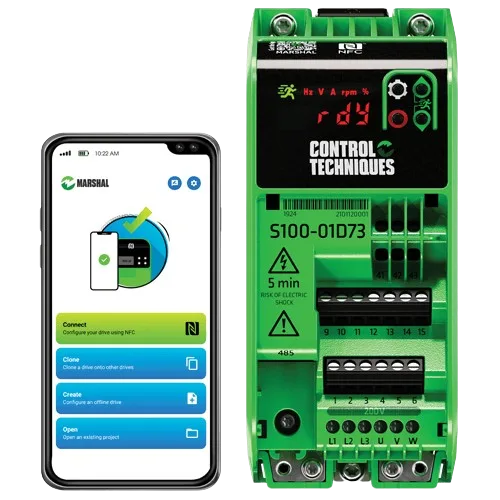
Commander S
Commander S VFD Drives offer energy-efficient motor control for industrial applications. Improve performance and optimise energy usage with reliable Commander S drives.
View ProductAn MCC typically receives power from a main LT (Low Tension) supply and distributes it through busbars to multiple outgoing feeders. Each feeder controls a specific motor load.
Main Components of a Motor Control Center
Key components include:
- Incoming feeder panel – receives main electrical supply
- Busbars system – distributes power across sections
- Motor starters (DOL, Star-Delta) – control motor starting
- Circuit breakers (MCCB/ACB) – provide protection against faults
- Contactors and relays – handle switching operations
- Overload protection units – prevent motor damage
- Variable Frequency Drives (VFDs) – regulate motor speed where required
- Control wiring and PLC interfaces – enable automation integration
Types of Motor Control Centers
MCCs are generally classified based on construction type and motor control method, depending on the application and industrial environment.
In Kenya, the most common MCC configurations are fixed type and withdrawable type systems used in manufacturing, water treatment, and commercial infrastructure.
Fixed Type MCC
- Components are permanently installed
- Lower cost and simpler design
- Suitable for smaller industrial applications
Withdrawable (Draw-out) MCC
- Modular plug-in units for each motor feeder
- Allows maintenance without shutting down entire system
- Common in critical industries like manufacturing plants
Motor Control Methods in MCC Panels
Motor Control Centers use different starting and control techniques depending on load requirements and energy efficiency goals.
The choice of control method directly impacts energy consumption, mechanical stress on motors, and system reliability.
Common methods include:
Direct-On-Line (DOL) Starter
- Simple and cost-effective
- High starting current
- Used for small motors
Star-Delta Starter
- Reduces starting current
- Used for medium-sized motors
- Common in pumps and compressors
VFD (Variable Frequency Drive) Control
- Enables speed control and energy optimization
- Reduces mechanical wear
- Highly suitable for Kenyan industries facing power cost pressures
MCC Applications in Kenya’s Industrial Sector
Motor Control Centers are widely used in Kenya’s industrial and commercial infrastructure where multiple motors must operate in coordination.
They are especially critical in environments with fluctuating grid stability from KPLC, where protection and automation help prevent costly downtime.
Common applications include:
- Water treatment plants and borehole pumping systems
- Manufacturing and assembly lines
- Cement and mining operations
- HVAC systems in commercial buildings
- Agricultural processing plants
- Oil and fuel handling facilities
Kenya Power Challenges and Why MCCs Matter
Kenya’s industrial grid is often affected by voltage fluctuations, phase imbalance, and occasional outages from KPLC distribution networks. MCCs help mitigate these issues through built-in protection and controlled motor operation.
When combined with APFC (Automatic Power Factor Correction) and VFD systems, MCCs significantly improve energy efficiency and equipment lifespan.
Industries in Nairobi, Mombasa, and the Rift Valley rely heavily on MCCs to stabilize operations under varying load conditions.
Environmental Considerations: Kenya’s Industrial Conditions
MCC design in Kenya must account for regional environmental conditions such as humidity, dust, and temperature variations. These factors influence enclosure selection and protection ratings.
Proper enclosure design ensures long-term reliability, especially in coastal and arid industrial zones.
- Mombasa (Coastal Humidity): Requires corrosion-resistant enclosures (IP55–IP65)
- Rift Valley (Dust-prone areas): Requires dust-tight sealing and filtered ventilation
- Nairobi Industrial Zones: Moderate conditions but high electrical load density
IP ratings commonly used:
- IP54: Standard indoor industrial environments
- IP55/IP65: Harsh environments with dust and moisture exposure
Standards Governing MCC Design
Motor Control Centers must comply with international and local electrical safety standards to ensure safe operation and system reliability.
In Kenya, compliance with IEC standards and EPRA regulations is essential for industrial electrical installations.
Key standards include:
- IEC 61439 – Low-voltage switchgear and controlgear assemblies
- IEC 60947 – Control and switching devices
- BS EN standards – Electrical safety and performance benchmarks
- EPRA regulations – Kenyan energy compliance and safety oversight
Compliance ensures:
- Electrical safety
- System reliability
- Reduced fire and fault risks
- Regulatory approval for industrial projects
Motor Control Center System Specifications Table
| Parameter | Specification |
|---|---|
| Rated Voltage | 415V AC (3-phase) |
| Frequency | 50Hz |
| Short Circuit Rating | Up to 50kA (design dependent) |
| Enclosure Material | Powder-coated steel / galvanized steel |
| IP Rating | IP54 to IP65 |
| Busbar System | Copper / Aluminum |
| Control System | Relay / PLC-based automation |
| Motor Starting Methods | DOL, Star-Delta, VFD |
| Standards Compliance | IEC 61439, IEC 60947, BS EN |
Benefits of Using MCC Panels
MCC panels provide centralized control, improved safety, and enhanced operational efficiency for industrial motor systems.
They are a foundational component in modern electrical infrastructure across Kenya’s industrial sector.
Key benefits include:
- Centralized motor management
- Reduced wiring complexity
- Improved fault isolation
- Higher operational safety
- Easier maintenance and scalability
- Integration with automation systems (SCADA/PLC)
MCC Integration with Automation Systems
Modern MCCs are increasingly integrated with PLCs and SCADA systems for real-time monitoring and control.
This enables predictive maintenance, remote operation, and improved energy management across industrial plants.
Integration features:
- Remote motor start/stop
- Fault detection and alarms
- Energy consumption monitoring
- Predictive maintenance alerts
- Data logging for performance optimization
MCC vs Traditional Motor Control Wiring
Unlike traditional point-to-point motor wiring, MCC systems centralize control and reduce installation complexity significantly.
This results in safer, more scalable, and more efficient industrial electrical infrastructure.
Traditional systems often suffer from:
- Complex wiring layouts
- Difficult troubleshooting
- Higher downtime during faults
MCC systems solve these issues through modular design and centralized architecture.
Why Choose Paneltech Systems for MCC Solutions in Kenya
Paneltech Systems provides engineered MCC solutions designed for Kenyan industrial environments, ensuring compliance, durability, and energy efficiency.
Our MCC systems are built to handle variable grid conditions, heavy industrial loads, and automation requirements.
We specialize in:
- Custom MCC panel design
- VFD-integrated motor control systems
- APFC and power optimization solutions
- Industrial automation integration
low-voltage-panels
vfd-drives
apfc-112
contact
Final Takeaway
A Motor Control Center (MCC) is the backbone of modern industrial motor management, offering centralized control, protection, and automation.
In Kenya’s industrial environment, MCCs are essential for ensuring operational stability, energy efficiency, and compliance with international electrical standards.
Contact Paneltech Systems Ltd
Powering Kenya's Future with Reliable Electrical Solutions
Email: [email protected]
Phone: 0799 531765
Location: Nairobi, Kenya
Website: https://paneltechsystems.co.ke/
Our Specialized Services:
- Low Voltage (LV) Panels & APFC Panels
- VFD Drive Solutions & ATS / MTS Systems
- Solar Power & EV Charging Infrastructure
- Electrical Supplies & Engineering Consultations