What Causes Low Power Factor in Industrial Networks? | Paneltech Systems Kenya
Demystify inductive loads and understand how motors, welding machines, and transformers cause lagging power factor conditions in industrial electrical systems.

Low power factor is one of the most common inefficiencies in industrial electrical networks, especially in manufacturing, processing, and commercial facilities. It occurs when electrical systems draw more reactive power than useful active power, leading to inefficient energy usage and increased operational costs.
In Kenya, this issue is particularly prevalent in facilities using heavy machinery, aging distribution systems, and poorly balanced electrical loads.
What Causes Low Power Factor in Industrial Networks
Role of Inductive Loads in Power Factor Decline
Low power factor is primarily caused by inductive loads that require magnetizing current to operate. These loads increase reactive power demand, causing current to lag behind voltage in industrial electrical systems.
Inductive equipment such as motors, transformers, and coils consume reactive power, which does not perform useful work but still loads the electrical system.
Why Inductive Loads Create Lagging Power Factor
Inductive loads create lagging power factor because they require magnetic field excitation before performing mechanical work. This results in current lagging behind voltage, increasing apparent power demand.
This behavior is fundamental in electrical engineering and is the primary source of lagging power factor conditions in industrial networks.
Common Inductive Load Sources in Industrial Facilities
Typical equipment contributing to low power factor includes:
- Induction motors in pumps, fans, and compressors
- Welding machines used in fabrication plants
- Transformers in distribution systems
- HVAC systems in commercial buildings
- Industrial conveyors and crushers
These systems are widely used in Kenyan industries such as agro-processing, manufacturing, and water treatment facilities.
Inductive Loads Electrical Engineering Perspective
How Reactive Power is Generated
Inductive loads generate reactive power by creating magnetic fields that continuously store and release energy. This reactive power increases total system current without contributing to useful work output.
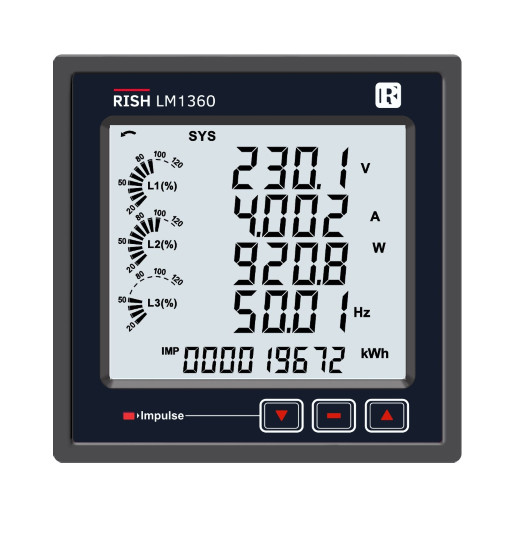
Reactive power is measured in kVAR and directly affects system efficiency and infrastructure loading.
Relationship Between kW, kVAR, and Power Factor
In electrical engineering terms:
- kW = useful active power
- kVAR = reactive power from inductive loads
- kVA = total apparent power
As inductive loads increase, kVAR increases, causing a drop in power factor and higher system current.
Lagging Power Factor Sources in Real Industrial Systems
Motor-Driven Industrial Equipment
Motor-driven systems are the largest contributors to lagging power factor because they rely on magnetic induction for operation. This increases reactive power demand and reduces overall system efficiency.
In Kenya, this is especially common in:
- Water pumping stations
- Manufacturing plants
- Agricultural processing facilities
Welding Machines and Arc Loads
Welding machines contribute to low power factor due to highly fluctuating and non-linear electrical loads. These loads create unstable current draw and increased reactive power demand.
Fabrication workshops and construction sites frequently experience this issue due to intermittent arc loading.
Transformers and Distribution Equipment
Transformers contribute to low power factor due to magnetizing current required to maintain their core flux. Even when lightly loaded, transformers still draw reactive power.
This becomes significant in facilities with oversized or aging transformers.
Industrial Power Factor Imbalance in Kenya
Why Kenyan Facilities Are More Affected
Industrial power factor imbalance is common in Kenya due to heavy reliance on inductive machinery and inconsistent load management. Many facilities operate without corrective systems like APFC panels.
Key contributing factors include:
- Rapid industrial expansion
- Aging electrical infrastructure
- Limited reactive power monitoring
- Heavy motor usage in production lines
Impact of Uncorrected Power Factor
Low power factor leads to:
- Higher electricity bills
- Increased transformer loading
- Cable overheating
- Reduced system capacity
- Utility penalties in some tariff structures
System Specifications: Power Factor Correction Context
| Parameter | Description |
|---|---|
| System Type | Industrial Power Distribution Network |
| Load Type | Predominantly inductive (motors, transformers) |
| Power Factor Range | 0.70 – 0.95 (uncorrected systems) |
| Reactive Power Source | Inductive magnetic fields |
| Correction Method | Capacitor-based APFC systems |
| Standards | IEC 60034, IEC 61439, EPRA Kenya guidelines |
| Environment | Industrial / Commercial installations |
How Power Factor Is Improved in Industrial Systems
Role of Capacitor Compensation
Power factor is improved by adding capacitors that supply reactive power locally, reducing the burden on the electrical supply system. This neutralizes inductive effects and improves system efficiency.
APFC Systems in Industrial Applications
Automatic Power Factor Correction systems continuously monitor load conditions and switch capacitor banks to maintain optimal power factor levels.
Benefits include:
- Reduced apparent power demand
- Lower energy losses
- Improved transformer utilization
- Stabilized voltage levels
Conclusion: Understanding the Root Cause of Low Power Factor
Low power factor is fundamentally caused by inductive loads that dominate industrial electrical systems. Motors, transformers, and welding machines all contribute to lagging power factor conditions that reduce efficiency and increase operational costs.
Understanding these sources is essential for designing efficient electrical systems and implementing effective correction strategies such as APFC panels.
Call to Action
Contact Paneltech Systems Ltd
Powering Kenya's Future with Reliable Electrical Solutions
Email: [email protected]
Phone: 0799 531765
Location: Nairobi, Kenya
Website: https://paneltechsystems.co.ke/
Our Specialized Services:
Low Voltage (LV) Panels & APFC Panels
VFD Drive Solutions & ATS / MTS Systems
Solar Power & EV Charging Infrastructure
Electrical Supplies & Engineering Consultations