VFD Installation Kenya: How Variable Frequency Drives Reduce Energy Costs in Kenyan Industries
Variable Frequency Drives (VFDs) improve industrial energy efficiency by adjusting motor speed to match real-time demand, reducing electricity consumption by up to 30%. This guide explains how VFD installation in Kenya helps industries lower operating costs and stabilize power usage.
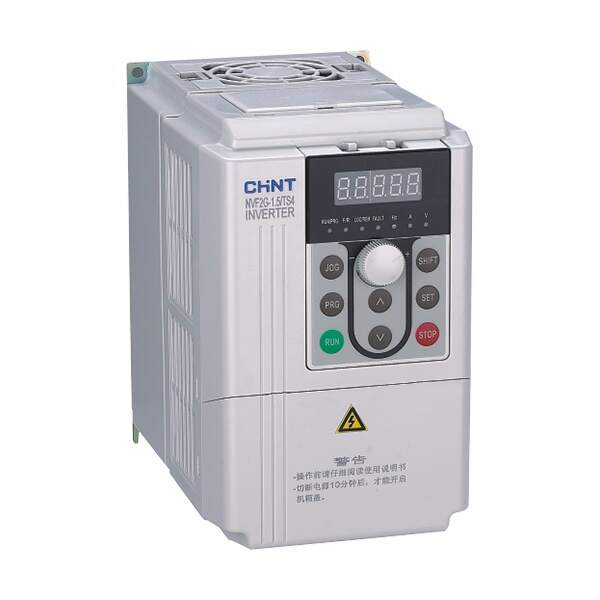
Introduction: The Energy Cost Challenge in Kenyan Industry
Electricity is one of the highest operating expenses for industrial facilities in Kenya. With rising tariffs, demand charges, and inefficiencies caused by outdated motor control systems, many facilities incur avoidable energy losses.
In sectors such as manufacturing, agriculture, water treatment, and commercial real estate, electric motors account for up to 70% of total energy consumption. Traditional fixed-speed motor systems waste significant energy, particularly under partial load conditions.
Related Products
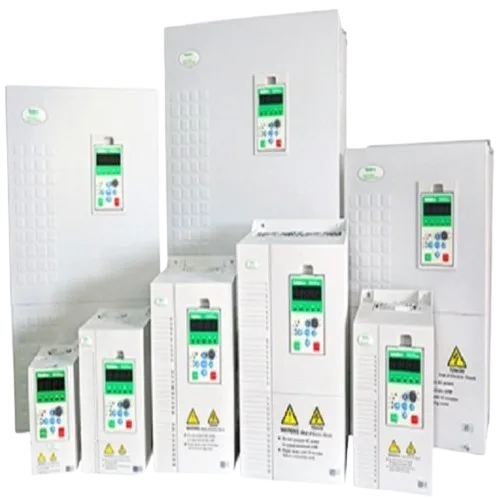
NE-200 Drives
NE-200 Drives offer reliable and efficient performance for industrial applications. Optimise motor speed and energy efficiency with the NE-200 series.
View Product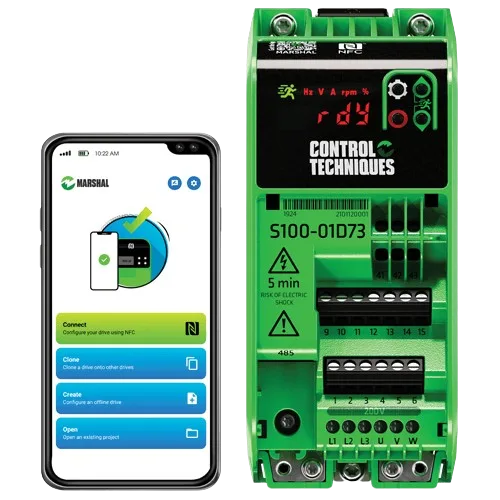
Commander S
Commander S VFD Drives offer energy-efficient motor control for industrial applications. Improve performance and optimise energy usage with reliable Commander S drives.
View Product
Commander C
Commander C VFD Drives from Paneltech Systems provide advanced motor control for industrial and commercial applications. Enhance efficiency and reliability.
View Product
ATS / MTS Kenya
ATS/MTS solutions from Paneltech Systems provide reliable Automatic and Manual Transfer Switches for seamless power transfer in industrial and commercial electrical systems.
View ProductVariable Frequency Drives (VFDs) provide a precise and scalable solution by aligning motor speed with real-time demand. At Paneltech Systems Ltd, we design and deploy high-efficiency VFD systems engineered for Kenyan grid conditions, ensuring measurable cost savings and improved system stability.
Explore our full engineering portfolio on the products page or learn more about our company on the about page.
What is a Variable Frequency Drive (VFD)?
A Variable Frequency Drive (VFD) is an electronic device that controls motor speed and torque by adjusting the frequency and voltage supplied.
It ensures motors only consume the energy required for the actual load, significantly improving efficiency.
A VFD converts incoming AC power into DC, then back into a controlled AC output with adjustable frequency and voltage. This enables precise motor control compared to conventional systems that operate at constant speed.
Core Components:
- Rectifier (AC to DC conversion)
- DC bus (energy storage)
- Inverter (DC to variable AC output)
- Control unit (microprocessor-based)
Learn more about our high-efficiency VFD drive solutions.
How VFDs Reduce Energy Costs
VFDs reduce energy consumption by matching motor speed to process demand, eliminating unnecessary power usage.
In variable torque applications such as pumps and fans, energy savings can reach up to 30% or more.
Engineering Principle: Affinity Laws
- Flow is proportional to speed
- Pressure is proportional to speed squared
- Power is proportional to speed cubed
This means even a small reduction in motor speed results in substantial energy savings.
Example:
Reducing motor speed by 20% can reduce energy consumption by nearly 50% in suitable applications.
Key Savings Mechanisms:
- Eliminates throttling losses from valves and dampers
- Reduces peak demand charges
- Minimizes mechanical stress and maintenance
- Improves overall process efficiency
Why VFDs Are Essential in Kenya
VFDs are critical in Kenya due to high electricity tariffs, grid instability, and increasing efficiency requirements.
They reduce operational costs while improving power quality and equipment lifespan.
High Energy Costs
Kenyan industries face rising tariffs, making efficiency upgrades essential for cost control.
Grid Fluctuations
Voltage instability and dips can damage equipment. VFDs provide controlled startup and regulated operation.
Demand Charges
Soft starting through VFDs reduces peak current draw, lowering demand penalties.
Integration with APFC Systems
Combining VFDs with power factor correction improves overall electrical system performance. See our APFC panel solutions and low voltage panel systems.
Applications of VFDs in Kenyan Industries
VFDs are widely used across industrial systems with variable load requirements.
They provide significant energy savings and improved process control in multiple sectors.
Common Applications:
- Water pumping systems
- HVAC systems in commercial buildings
- Industrial conveyors
- Tea and coffee processing plants
- Cement and manufacturing plants
Sector Insights:
- Agriculture benefits from optimized irrigation control
- Manufacturing achieves improved process precision
- Commercial buildings reduce HVAC energy consumption
System Specifications Table (Typical VFD Installation)
VFD specifications must align with motor ratings, environmental conditions, and Kenyan grid standards.
Proper specification ensures safety, efficiency, and long-term reliability.
| Parameter | Typical Specification |
|---|---|
| Input Voltage | 415V, 3-phase |
| Frequency | 50 Hz |
| Output Frequency | 0–400 Hz |
| Power Range | 0.75 kW – 500 kW+ |
| Control Method | V/F, Sensorless Vector, Closed Loop |
| Efficiency | Greater than 95% |
| Enclosure Rating | IP20 (panel) / IP54 or IP65 (field install) |
| Cooling | Forced air / heat sink |
| Standards Compliance | IEC 61800, BS EN standards |
| Communication | Modbus, Profibus, Ethernet (optional) |
Environmental and Installation Considerations in Kenya
VFD installations in Kenya must account for dust, heat, and humidity to maintain reliability.
Appropriate enclosure ratings and cooling strategies are critical for long-term performance.
Coastal Regions
High humidity and corrosion risk require sealed enclosures and coated components.
Nairobi and Industrial Zones
Dust and temperature variation require filtered ventilation and IP54-rated panels.
Rift Valley Regions
Heavy dust environments require sealed systems with robust thermal management.
Choosing the Right VFD: Commander Series Advantage
Commander series VFDs provide high efficiency, reliability, and ease of integration for industrial applications.
They are well suited for Kenyan facilities requiring robust performance under varying grid conditions.
Key Features:
- High efficiency performance
- Built-in control functions
- Compact and modular design
- Advanced protection features
- Simplified commissioning
Explore compatible instrumentation and control components such as Multispan products and Rishabh metering solutions.
Integration with Automation and Smart Systems
VFDs enable seamless integration with automation systems for real-time monitoring and control.
This enhances operational efficiency and supports data-driven decision-making.
Integration Capabilities:
- PLC-based control systems
- SCADA monitoring platforms
- Remote diagnostics
- Energy consumption tracking
Access technical resources and insights on our knowledge hub.
ROI and Payback Period for VFD Installation
Most VFD installations achieve return on investment within 12 to 24 months.
Energy savings, reduced maintenance, and improved efficiency drive rapid payback.
Cost Benefits:
- Energy savings of 20–30%
- Reduced maintenance costs
- Extended equipment lifespan
Example Scenario:
A motor operating below full load can significantly reduce energy consumption when controlled by a VFD, leading to measurable annual savings.
Why Choose Paneltech Systems Ltd for VFD Installation in Kenya
Paneltech Systems Ltd provides complete VFD solutions including design, installation, and maintenance.
All systems are engineered to meet IEC standards and Kenyan operational conditions.
Capabilities:
- Custom VFD panel design
- Installation and commissioning
- Integration with LV and APFC systems
- Ongoing technical support
Get in touch via our contact page or explore residential and commercial solutions on Paneltech Homes.
Conclusion: A Strategic Investment in Energy Efficiency
VFDs are among the most effective technologies for reducing industrial energy costs.
They deliver immediate savings, improved reliability, and long-term operational benefits.
As energy costs continue to rise and regulatory requirements tighten, adopting VFD technology is a critical step toward efficient and competitive industrial operations in Kenya.
Contact Paneltech Systems Ltd
Powering Kenya's Future with Reliable Electrical Solutions
Email: [email protected]
Phone: 0799 531765
Location: Nairobi, Kenya
Website: https://paneltechsystems.co.ke/
Our Specialized Services:
Low Voltage (LV) Panels & APFC Panels
VFD Drive Solutions & ATS / MTS Systems
Solar Power and EV Charging Infrastructure
Electrical Supplies and Engineering Consultations