UPS Distribution Panel Kenya: 2026 Engineering Guide and Specs | Paneltech Systems Kenya
Looking for a UPS distribution panel Kenya businesses can rely on? Learn how to size a UPS distribution panel with maintenance bypass, harmonic-ready busbars, selective protection, and IEC 61439 compliance.
Power interruptions can bring critical business operations to a halt within seconds. Whether it's a data centre, hospital, banking facility, telecommunications hub, or industrial automation system, uninterrupted power is essential for maintaining operations, protecting sensitive equipment, and preventing costly downtime.
While the Uninterruptible Power Supply (UPS) often receives the most attention, the UPS distribution panel is equally important. It safely distributes conditioned power from the UPS to critical electrical loads while providing protection, isolation, monitoring, and maintenance flexibility.
Related Products

ATS / MTS Kenya
ATS/MTS solutions from Paneltech Systems provide reliable Automatic and Manual Transfer Switches for seamless power transfer in industrial and commercial electrical systems.
View Product
LV Panel
High-quality low voltage panels designed for reliable power distribution and protection in industrial and commercial installations.
View Product
Distribution Boards
Distribution boards divide the main electrical power supply into smaller circuits while providing circuit protection for residential, commercial and industrial applications.
View Product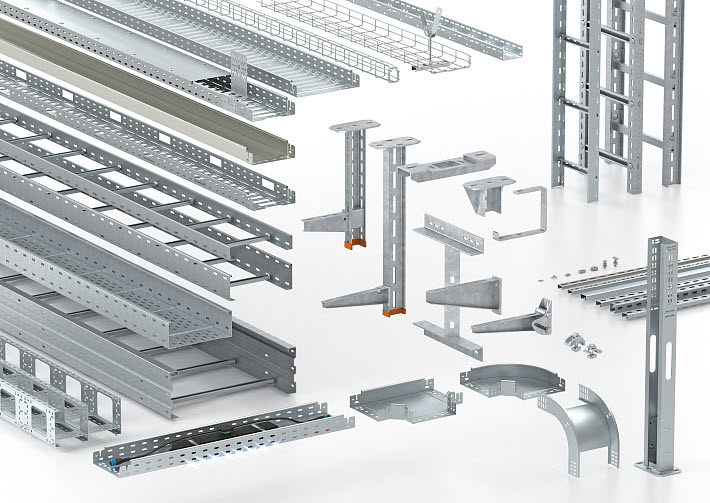
Cable Systems
Paneltech Systems offers comprehensive cable management systems for efficient, secure and organised cable setups across industrial and commercial environments.
View ProductA poorly designed UPS distribution panel can create overloads, nuisance tripping, poor selectivity, and maintenance challenges that compromise the entire backup power system. Correct sizing, breaker coordination, harmonic considerations, and future expansion planning are essential for achieving high system availability.
At Paneltech Systems Ltd, we design and manufacture IEC-compliant UPS distribution panels, low-voltage switchboards, ATS panels, APFC systems, and custom electrical solutions for Kenya's commercial and industrial sectors. Learn more about our engineering expertise at about, explore our electrical products at products, or contact our engineering team through contact.
What Is a UPS Distribution Panel?
A UPS distribution panel distributes conditioned electrical power from a UPS system to critical loads while providing protection, isolation, monitoring, and maintenance access. It forms the final low-voltage distribution stage before essential equipment.
Unlike standard distribution boards, UPS panels are designed specifically for loads that cannot tolerate power interruptions.
Typical connected loads include:
- Servers
- Network switches
- Data storage systems
- Medical equipment
- Industrial PLCs
- Security systems
- Fire alarm systems
- Telecommunications equipment
The panel ensures reliable distribution while protecting both the UPS and connected equipment.
Why UPS Distribution Panels Are Important in Kenya
UPS distribution panels help Kenyan facilities maintain continuous power during KPLC outages, voltage fluctuations, and generator changeovers. Properly engineered panels improve reliability, equipment protection, and maintenance safety.
Kenya's electrical infrastructure can expose critical facilities to:
- Planned outages
- Voltage fluctuations
- Switching transients
- Generator transfers
- Lightning-induced disturbances
Critical facilities require stable power even when the utility supply is unavailable.
Common applications include:
- Data centres
- Hospitals
- Banks
- Airports
- Manufacturing plants
- Telecommunications sites
- Government facilities
How to Size a UPS Distribution Panel
UPS distribution panel sizing should consider connected load, future expansion, protection coordination, harmonic currents, and UPS capacity. Proper engineering prevents overloads while allowing safe future growth.
The sizing process normally includes:
Calculate Connected Load
Identify:
- Continuous load
- Peak demand
- Diversity factor
- Critical circuits
Determine UPS Capacity
Typical UPS ratings include:
- 10 kVA
- 20 kVA
- 40 kVA
- 100 kVA
- 250 kVA
- 500 kVA
The panel should match the UPS output capacity.
Allow Future Expansion
Most commercial facilities benefit from:
- Spare outgoing ways
- Larger busbars
- Additional cable space
Planning for future growth reduces upgrade costs.
UPS Distribution Panel Specifications Table
UPS distribution panels require high-quality components that support continuous operation, selective protection, and future expansion.
| Specification | Typical Value |
|---|---|
| Rated Voltage | 415V AC / 230V AC |
| Frequency | 50 Hz |
| Incoming Supply | UPS Output |
| Busbar Material | Electrolytic Copper |
| Enclosure Material | Powder-Coated CRCA Steel |
| Enclosure Rating | IP54 / IP65 |
| Protection | MCCB / MCB / RCCB |
| Maintenance Bypass | Included |
| Metering | Digital Power Monitoring |
| Mounting | Floor Standing / Wall Mounted |
| Standards | IEC 61439, IEC 60947 |
Why Maintenance Bypass Is Essential
A maintenance bypass allows the UPS to be isolated for servicing without interrupting power to critical loads. It improves system availability and simplifies routine maintenance.
Without a maintenance bypass:
- UPS servicing may require shutdowns.
- Planned maintenance becomes more difficult.
- Critical operations may be interrupted.
A typical bypass arrangement includes:
- UPS input isolation
- UPS output isolation
- Maintenance bypass switch
- Interlocking system
This allows engineers to safely remove the UPS from service.
Maintenance Isolation for Safe Servicing
Maintenance isolation enables safe work on electrical equipment while reducing risks to personnel and minimising operational disruption. Proper isolation arrangements are essential for critical power installations.
Typical isolation includes:
- Incoming isolators
- Outgoing isolation
- Lockable switches
- Mechanical interlocks
- Electrical interlocks
Proper isolation improves compliance with safe working procedures.
Harmonic-Ready Busbars
UPS systems can generate harmonic currents that increase heating in conductors and switchboards. Harmonic-ready busbars provide additional capacity and improve long-term reliability.
Modern UPS systems often supply:
- Non-linear loads
- Servers
- IT equipment
- Variable-speed drives
These loads produce harmonic distortion.
Engineering considerations include:
- Larger neutral conductors
- Copper busbars
- Thermal performance
- Harmonic analysis
Correct busbar sizing improves efficiency and equipment lifespan.
Protection Coordination
Protection coordination ensures faults are isolated at the correct level without unnecessarily disconnecting healthy circuits. This improves uptime and protects critical equipment.
UPS distribution panels commonly include:
- MCCBs
- MCBs
- RCCBs
- Surge Protection Devices
- Selective coordination settings
Proper coordination prevents nuisance tripping.
UPS Distribution in Data Centres
Data centres require highly reliable UPS distribution panels with redundant feeds, maintenance bypass arrangements, and intelligent monitoring. These systems support continuous operation of mission-critical IT infrastructure.
Typical features include:
- A/B power feeds
- Dual UPS systems
- Intelligent PDUs
- Redundant distribution
- Form 4 segregation
Paneltech provides LV switchboard solutions suitable for critical infrastructure through ow-voltage-panels.
Integration with ATS and Generator Systems
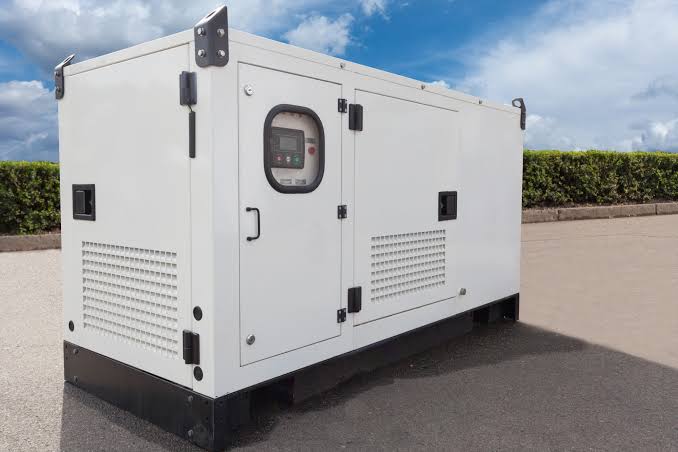
UPS panels are typically integrated with ATS systems and standby generators to provide seamless transition between utility and backup power sources.
A typical sequence is:
- KPLC supplies the facility.
- UPS conditions power.
- Utility outage occurs.
- UPS supports the load immediately.
- Generator starts.
- ATS transfers load.
- UPS returns to charging mode.
Paneltech designs ATS systems through products and custom changeover solutions for commercial and industrial applications.
Surge Protection and Power Quality
UPS systems improve voltage stability but do not replace surge protection. Properly coordinated surge protection devices safeguard sensitive equipment from lightning and switching transients.
Recommended protection includes:
- Type 1 SPD at the main incomer
- Type 2 SPD at UPS distribution
- Power quality monitoring
- Power factor correction where appropriate
Paneltech provides APFC solutions through #apfc-112 and industrial metering solutions through rishabh-products.
Environmental Design for Kenyan Conditions
UPS distribution panels should be designed to withstand local environmental conditions including dust, humidity, and temperature variations. Correct enclosure selection improves operational reliability.
Nairobi
Indoor installations generally use IP54-rated panels.
Mombasa
Coastal environments require corrosion-resistant materials and IP65 protection where necessary.
Industrial Sites
Dust-heavy environments benefit from:
- IP65 enclosures
- Improved sealing
- Enhanced ventilation design
Common UPS Distribution Panel Design Mistakes
Incorrect sizing and inadequate protection can reduce UPS system reliability. Professional engineering helps avoid unnecessary downtime and expensive modifications.
Common mistakes include:
- Undersized busbars
- No maintenance bypass
- Poor breaker coordination
- Insufficient spare ways
- Ignoring harmonic loading
- Incorrect cable sizing
- Inadequate ventilation
- No future expansion allowance
Standards and Compliance
UPS distribution panels should comply with internationally recognised standards to ensure safety, reliability, and long-term performance.
Relevant standards include:
- IEC 61439 – Low Voltage Switchgear Assemblies
- IEC 60947 – Switchgear and Controlgear
- IEC 60364 – Electrical Installations
- IEC 62040 – UPS Systems
- BS EN electrical standards
- EPRA electrical requirements applicable in Kenya
Compliance supports safe installation and dependable operation.
Why Choose Paneltech Systems Ltd?
Paneltech Systems Ltd designs and manufactures custom UPS distribution panels engineered for Kenya's mission-critical facilities. Our panels combine quality components, IEC compliance, and practical engineering experience for long-term reliability.
Our solutions include:
- UPS Distribution Panels
- Low Voltage Switchboards
- Form 4 Switchboards
- ATS & MTS Systems
- APFC Panels
- Motor Control Centres
- Solar Distribution Boards
- Generator Synchronisation Panels
- Electrical Engineering Consultation
- Custom Panel Manufacturing
- Installation & Commissioning
Explore our engineering solutions through home-main, access technical resources at knowledge-site, discover residential energy solutions through paneltechhomes, or visit home1.
Frequently Asked Questions
UPS distribution panels are a critical part of any uninterrupted power system. These answers address common questions from engineers, consultants, and facility managers.
What is a UPS distribution panel?
It distributes conditioned power from a UPS system to critical electrical loads while providing protection, monitoring, and isolation.
Why is a maintenance bypass important?
It allows the UPS to be serviced without interrupting power to connected equipment.
Should UPS panels include surge protection?
Yes. Surge protection complements the UPS by protecting against lightning and switching transients.
Why are harmonic-ready busbars important?
They accommodate the additional heating caused by harmonic currents generated by non-linear loads.
Can Paneltech build custom UPS distribution panels?
Yes. Paneltech manufactures custom UPS distribution panels designed to IEC standards and tailored to project-specific requirements.
Powering Kenya's Future with Reliable Electrical Solutions
Email: [email protected]
Phone: 0799 531765
Location: Nairobi, Kenya
Website: https://paneltechsystems.co.ke/
Our Specialized Services:
- Low Voltage (LV) Panels & APFC Panels
- VFD Drive Solutions & ATS / MTS Systems
- Solar Power & EV Charging Infrastructure
- Electrical Supplies & Engineering Consultations