Best motor protection devices for Three-Phase Industrial Motors: MPCB, Phase Relays and Thermistors Guide | Paneltech Systems Kenya
Motor protection devices explained: learn how MPCBs, phase failure relays, and thermistors protect three-phase industrial motors from overload, phase loss, and overheating in Kenya.
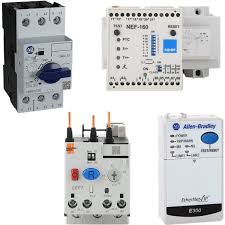
Three-phase motor protection devices safeguard industrial motors from electrical faults such as overload, phase loss, short circuits, and overheating. They prevent costly motor burnout and ensure continuous industrial operation.
In Kenya’s industrial environment, where voltage fluctuations and phase instability from the grid are common, proper motor protection is essential for equipment longevity and operational safety.
Why Motor Protection Devices Are Essential
Industrial motors are expensive, high-power assets that are highly sensitive to electrical disturbances such as phase imbalance, overload, and voltage dips. Protection devices ensure these faults are detected early and isolated.
Without proper protection, motors can overheat, suffer winding damage, or fail completely, leading to significant downtime in manufacturing and processing facilities.
Key risks without protection:
- Motor winding burnout
- Bearing damage due to overheating
- Electrical fire hazards
- Production downtime
Motor Protection Circuit Breaker (MPCB)
A Motor Protection Circuit Breaker (MPCB) is an integrated device that provides short-circuit protection, overload protection, and manual switching in a single unit.
It is widely used in industrial motor control systems due to its compact design and reliable protection capabilities.
How MPCB Works:
- Monitors current flow to motor
- Trips during overload conditions
- Instantly disconnects supply during short circuit faults
Key Features:
- Adjustable current setting
- Thermal and magnetic trip mechanisms
- Manual ON/OFF switching
- Fast fault isolation
✔ MPCBs are commonly used in small to medium industrial motors in Kenya.
Phase Failure (Phase Loss) Relays
A Phase Failure Relay monitors all three phases of a power supply and disconnects the motor if any phase is lost or becomes unbalanced.
This is critical for preventing severe motor damage caused by single-phasing conditions.
What It Protects Against:
- Phase loss
- Phase reversal
- Voltage imbalance
- Undervoltage conditions
Working Principle:
- Continuously monitors phase voltage
- Detects abnormal conditions
- Triggers control circuit to shut down motor
✔ Essential in areas with unstable grid supply conditions like parts of Kenya’s industrial zones.
Thermal Overload Relays
A thermal overload relay protects motors from sustained overcurrent conditions by using a heat-sensitive bimetallic mechanism that trips when excessive current flows.
It is one of the most widely used motor protection devices in industrial starter panels.
How It Works:
- Current passes through heating element
- Bimetal strip bends when heated
- Trip mechanism disconnects motor control circuit
Protection Provided:
- Overload conditions
- Mechanical jam situations
- Prolonged high current draw
✔ Best suited for DOL and Star-Delta starter systems.
Motor Thermistors (PTC Sensors)
Motor thermistors are temperature-sensitive sensors embedded in motor windings to directly monitor internal motor temperature.
They provide early detection of overheating before electrical damage occurs.
How They Work:
- Resistance increases with temperature
- Signal sent to protection relay or controller
- Motor is shut down when threshold is exceeded
Advantages:
- Direct winding temperature monitoring
- High accuracy protection
- Prevents insulation breakdown
✔ Common in large industrial motors and VFD-controlled systems.
MPCB vs Thermal Overload Relay
MPCB and thermal overload relays both protect motors from overload, but they differ significantly in functionality and integration.
MPCBs offer combined short-circuit and overload protection, while thermal overload relays focus only on overload conditions.
Key Comparison:
| Feature | MPCB | Thermal Overload Relay |
|---|---|---|
| Short-circuit protection | Yes | No |
| Overload protection | Yes | Yes |
| Switching capability | Yes | No |
| Installation | Compact | Requires contactor |
| Cost | Higher | Lower |
✔ MPCBs are more complete protection devices, while overload relays are used in modular control systems.
Kenya Industrial Power Conditions
Motor protection in Kenya must account for unstable grid conditions such as voltage dips, phase imbalance, and occasional outages from the national utility supply.
These conditions increase the risk of motor stress and make advanced protection systems essential.
Common challenges:
- KPLC voltage fluctuations
- Phase imbalance in industrial zones
- Generator-to-grid switching stress
- Surge events during restoration
Environmental Considerations for Protection Devices
Industrial environments in Kenya vary significantly, requiring protection devices that can withstand dust, humidity, and temperature variations.
Correct enclosure selection and device rating are critical for long-term reliability.
- Coastal regions (Mombasa): corrosion-resistant devices required
- Inland industrial zones (Nairobi): moderate dust protection
- Arid regions (Rift Valley): sealed and dust-proof installations
✔ IP-rated enclosures (IP54–IP65) are recommended.
System Protection Table
| Device | Primary Protection | Application |
|---|---|---|
| MPCB | Overload + short circuit | Small/medium motors |
| Phase Failure Relay | Phase loss & imbalance | Three-phase industrial systems |
| Thermal Overload Relay | Overcurrent heating | Starter panels (DOL/Star-Delta) |
| Thermistor (PTC) | Winding temperature | Large motors & VFD systems |
Standards Compliance
Motor protection devices must comply with international and local electrical safety standards to ensure reliable operation and regulatory approval.
In Kenya, compliance with IEC and EPRA regulations is mandatory for industrial installations.
- IEC 60947 (switchgear and control devices)
- IEC 60204 (machine safety)
- IEC 61439 (panel assemblies)
- EPRA electrical installation standards
Benefits of Proper Motor Protection
Proper motor protection significantly improves equipment lifespan, reduces downtime, and enhances overall industrial safety.
It ensures motors operate within safe electrical and thermal limits under varying load conditions.
Key benefits:
- Prevents motor burnout
- Reduces maintenance costs
- Improves system reliability
- Enhances industrial safety
- Minimizes production downtime
Why Choose Paneltech Systems
Paneltech Systems designs industrial motor protection and control solutions tailored for Kenya’s electrical environment and industrial demands.
Our systems integrate MPCBs, relays, and advanced protection technologies for maximum reliability and efficiency.
low-voltage-panels
vfd-drives
contact
We specialize in:
- Motor protection system design
- Industrial control panel engineering
- VFD and soft starter integration
- APFC and LV electrical systems
Contact Paneltech Systems Ltd
Powering Kenya's Future with Reliable Electrical Solutions
Email: [email protected]
Phone: 0799 531765
Location: Nairobi, Kenya
Website: https://paneltechsystems.co.ke/
Our Specialized Services:
- Low Voltage (LV) Panels & APFC Panels
- VFD Drive Solutions & ATS / MTS Systems
- Solar Power & EV Charging Infrastructure
- Electrical Supplies & Engineering Consultations