Surge Protection Device Selection Kenya: 2026 Engineering Guide and Specs | Paneltech Systems Kenya
Looking for expert surge protection device selection Kenya guidance? Learn when to use Type 1, Type 2, and Type 3 surge protection devices, how to comply with IEC standards, and how to protect electrical systems from lightning and switching surges.
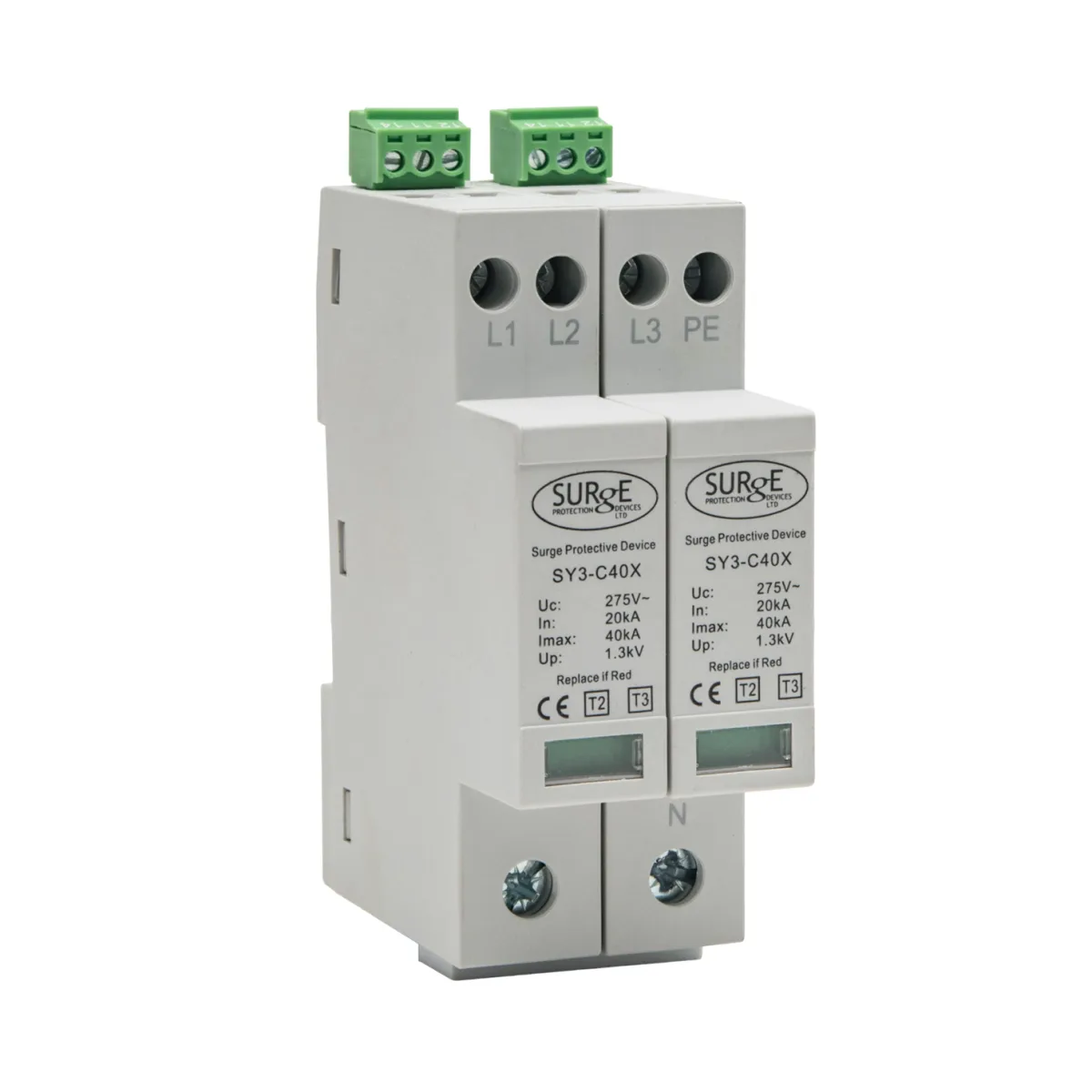
Power quality has become a major concern for residential, commercial, and industrial electrical systems across Kenya. As more facilities rely on sensitive electronic equipment, automation systems, solar PV installations, and digital infrastructure, protection against transient overvoltages is no longer optional—it is an essential part of modern electrical engineering.
Lightning strikes, utility switching operations, generator changeovers, and electrical faults can all create voltage surges capable of damaging expensive equipment within milliseconds. Proper surge protection device (SPD) selection helps safeguard switchboards, inverters, PLCs, servers, variable frequency drives (VFDs), medical equipment, and other critical electrical assets.
Related Products

ATS / MTS Kenya
ATS/MTS solutions from Paneltech Systems provide reliable Automatic and Manual Transfer Switches for seamless power transfer in industrial and commercial electrical systems.
View Product
Protection Panels
Robust protection panels safeguarding electrical systems and equipment from faults, overloads and short circuits.
View Product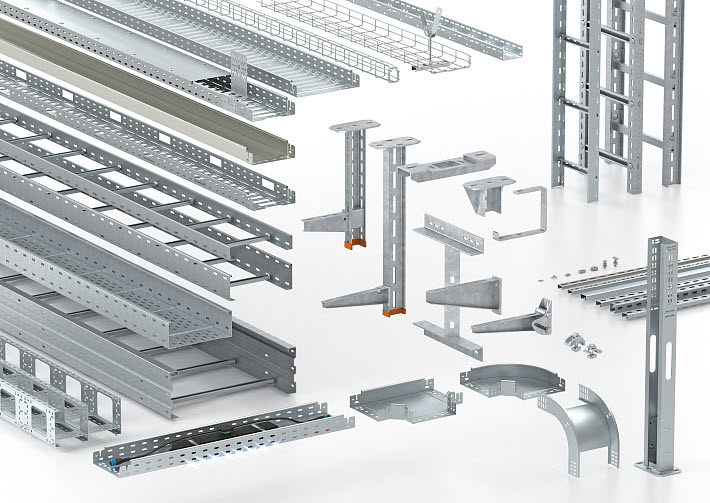
Cable Systems
Paneltech Systems offers comprehensive cable management systems for efficient, secure and organised cable setups across industrial and commercial environments.
View Product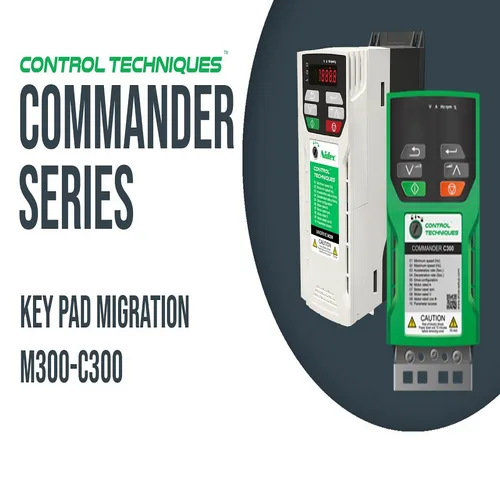
Commander C
Commander C VFD Drives from Paneltech Systems provide advanced motor control for industrial and commercial applications. Enhance efficiency and reliability.
View ProductSelecting the wrong SPD—or installing it in the wrong location—can leave an installation vulnerable despite having surge protection installed. Understanding the differences between Type 1, Type 2, and Type 3 SPDs is therefore essential for engineers, consultants, contractors, and facility managers.
At Paneltech Systems Ltd, we design and manufacture IEC-compliant LV switchboards, solar distribution boards, motor control centres, and custom electrical panels with correctly specified surge protection for Kenya's operating conditions. Learn more about our company at about, browse our electrical solutions at products, or contact our engineering team through contact.
What Is a Surge Protection Device (SPD)?
A surge protection device (SPD) protects electrical equipment by limiting transient overvoltages caused by lightning strikes, utility switching, or electrical faults. It diverts excess surge energy safely to earth before it can damage connected equipment.
Unlike circuit breakers, which protect against overloads and short circuits, SPDs are designed specifically to respond to extremely fast voltage spikes lasting only microseconds.
Typical equipment protected by SPDs includes:
- Low Voltage (LV) switchboards
- Solar inverters
- Variable Frequency Drives (VFDs)
- PLC control systems
- Servers
- Data centres
- Medical equipment
- Fire alarm systems
- CCTV systems
- Building Management Systems (BMS)
Without proper surge protection, sensitive electronics may experience reduced lifespan or catastrophic failure.
Why Surge Protection Is Important in Kenya
Surge protection is particularly important in Kenya because lightning activity, grid switching events, and generator changeovers can expose electrical systems to damaging transient voltages. Proper SPD selection improves equipment reliability and reduces maintenance costs.
Several local factors increase the need for effective surge protection.
Lightning Activity
Many regions of Kenya experience seasonal thunderstorms capable of inducing high-energy surges into electrical installations.
KPLC Switching Events
Voltage transients may occur during:
- Grid restoration
- Network switching
- Fault clearing
- Planned maintenance
Solar Power Systems
Solar PV installations introduce long DC cable runs that are more susceptible to lightning-induced surges.
Industrial Automation
Modern manufacturing relies heavily on electronic control equipment that is highly sensitive to voltage spikes.
Understanding Type 1, Type 2 and Type 3 SPDs
Type 1, Type 2, and Type 3 surge protection devices are designed for different locations within an electrical installation. Coordinating all three types provides comprehensive protection from incoming surges to sensitive end equipment.
Type 1 SPD
Type 1 SPDs protect installations against direct or high-energy lightning currents entering through the electrical supply. They are typically installed at the main incoming switchboard.
Typical applications:
- Main LV incomer
- Buildings with external lightning protection systems
- Industrial facilities
- Commercial buildings
- Data centres
Type 1 SPDs are designed to discharge high surge currents safely to earth.
Type 2 SPD
Type 2 SPDs protect against residual lightning surges and switching transients that pass beyond the main incoming protection. They are commonly installed in distribution boards downstream of the main switchboard.
Typical applications include:
- Distribution boards
- Motor Control Centres
- Solar AC distribution boards
- Commercial electrical panels
- Industrial distribution systems
Type 2 devices are the most commonly installed SPDs in commercial electrical systems.
Type 3 SPD
Type 3 SPDs provide final protection for highly sensitive electronic equipment located close to the point of use. They are installed downstream of Type 2 protection devices.
Typical protected equipment:
- Computers
- Servers
- PLCs
- Medical equipment
- Telecommunications systems
- Laboratory instruments
Type 3 SPDs should never replace upstream Type 1 or Type 2 devices—they complement them.
SPD Selection Specifications Table
Correct SPD selection depends on system voltage, installation location, discharge capacity, and coordination with other protective devices. Proper specification ensures reliable long-term protection.
| Specification | Typical Value |
|---|---|
| Rated Voltage | 230V / 415V AC |
| Frequency | 50 Hz |
| SPD Types | Type 1, Type 2, Type 3 |
| Nominal Discharge Current (In) | 20–40 kA |
| Maximum Discharge Current (Imax) | Up to 100 kA |
| Protection Mode | L-N, L-PE, N-PE |
| Enclosure Rating | IP20 / Installed Inside IP54-IP65 Panel |
| Mounting | DIN Rail |
| Standards | IEC 61643-11, IEC 61439 |
Where Should Each SPD Be Installed?
Correct SPD placement is essential for effective surge protection. Installing the wrong device in the wrong location significantly reduces protection performance.
Main Incoming Switchboard
Recommended protection:
- Type 1 SPD
- Main earth connection
- Incoming MCCB
Distribution Boards
Recommended protection:
- Type 2 SPD
- Coordination with upstream Type 1 device
Final Equipment
Recommended protection:
- Type 3 SPD
- Local equipment protection
This layered approach is often referred to as cascaded surge protection.
Surge Protection for Solar PV Systems
Solar installations require both AC and DC surge protection because photovoltaic arrays are vulnerable to lightning-induced surges on both sides of the inverter.
Typical solar protection includes:
DC Side
- DC Type 2 SPD
- PV string protection
- DC isolators
AC Side
- Type 2 SPD
- MCCB/MCB protection
- AC isolator
Paneltech designs solar distribution boards with integrated surge protection through products and customised LV solutions at low-voltage-panels.
SPD Coordination and Cascade Protection
Effective surge protection relies on coordinating Type 1, Type 2, and Type 3 devices rather than relying on a single SPD. Proper coordination distributes surge energy safely across the electrical installation.
A typical coordination strategy includes:
- Type 1 at the main incoming switchboard
- Type 2 at sub-distribution panels
- Type 3 near sensitive equipment
This prevents downstream equipment from being exposed to excessive surge energy.
Earthing Requirements for Surge Protection
An SPD is only as effective as the earthing system connected to it. Low-resistance earthing allows surge energy to dissipate safely and improves overall protection performance.
Good earthing practices include:
- Low earth resistance
- Short earth conductors
- Correct bonding
- Proper conductor sizing
- Periodic testing
Poor earthing significantly reduces SPD effectiveness.
Environmental Considerations for Kenya
Environmental conditions influence surge protection design. Coastal humidity, lightning exposure, and dust levels should all be considered during panel specification.
Nairobi
Commercial installations generally require indoor IP54 switchboards with coordinated surge protection.
Mombasa
Corrosion-resistant enclosures and regular maintenance are important because of coastal humidity.
Rift Valley and Western Kenya
Higher lightning activity often increases the importance of comprehensive surge protection.
Common SPD Selection Mistakes
Incorrect SPD selection is one of the most common electrical protection problems. Professional engineering ensures the correct protection level for each installation.
Common mistakes include:
- Installing only Type 3 protection
- Omitting Type 1 at lightning-protected buildings
- Incorrect voltage ratings
- Poor earth connections
- Long earth conductor lengths
- No coordination between SPD types
- Ignoring solar DC protection
- Selecting inadequate discharge capacity
Standards and Compliance
Surge protection devices should comply with recognised international standards to ensure reliable performance and professional installation quality.
Relevant standards include:
- IEC 61643-11 – Low Voltage Surge Protection Devices
- IEC 61439 – Low Voltage Switchgear Assemblies
- IEC 60364 – Electrical Installations
- IEC 62305 – Lightning Protection
- BS EN surge protection standards
- EPRA electrical requirements applicable in Kenya
Compliance supports safe, standards-based electrical installations.
Applications of Surge Protection Devices
SPDs are essential wherever sensitive electrical equipment or valuable infrastructure must be protected against transient overvoltages.
Typical applications include:
- Industrial plants
- Commercial buildings
- Hospitals
- Hotels
- Data centres
- Solar farms
- Manufacturing facilities
- Schools
- Shopping centres
- Telecommunications sites
Why Choose Paneltech Systems Ltd?
Paneltech Systems Ltd provides professionally engineered surge protection solutions integrated into custom LV switchboards, solar distribution boards, and industrial electrical systems. Our designs are tailored to Kenya's environmental conditions and international standards.
Our services include:
- Surge Protection Integration
- Low Voltage Panels
- Solar Distribution Boards
- APFC Panels
- ATS and MTS Systems
- Motor Control Centres
- VFD Control Panels
- Electrical Engineering Consultation
- Panel Manufacturing
- Installation Support
- Commissioning
Explore our engineering solutions through home-main, access technical resources at knowledge-site, discover residential solutions at paneltechhomes, or visit home1. You can also learn more about our VFD solutions at vfd-drives.
Frequently Asked Questions
Choosing the right surge protection device requires understanding installation conditions, equipment sensitivity, and applicable standards. These answers address common engineering questions.
What is the difference between Type 1 and Type 2 SPD?
Type 1 protects against high-energy lightning currents at the incoming supply, while Type 2 protects downstream distribution systems against residual surges.
Do all buildings require Type 1 SPDs?
Not always. Type 1 SPDs are generally recommended where buildings have external lightning protection systems or high lightning exposure.
Can one SPD protect the entire installation?
No. Effective protection normally requires coordinated Type 1, Type 2, and Type 3 devices.
Should solar PV systems have DC surge protection?
Yes. Solar arrays require dedicated DC surge protection in addition to AC-side protection.
How often should SPDs be inspected?
Inspection intervals depend on installation conditions, lightning exposure, and manufacturer recommendations, but they should be included in routine electrical maintenance.
Powering Kenya's Future with Reliable Electrical Solutions
Email: [email protected]
Phone: 0799 531765
Location: Nairobi, Kenya
Website: https://paneltechsystems.co.ke/
Our Specialized Services:
- Low Voltage (LV) Panels & APFC Panels
- VFD Drive Solutions & ATS / MTS Systems
- Solar Power & EV Charging Infrastructure
- Electrical Supplies & Engineering Consultations