Short Circuit Rating for Switchboards in Kenya: 2026 Engineering Guide and Specs | Paneltech Systems Kenya
Looking for the correct short circuit rating for switchboards in Kenya? Learn when 25kA, 36kA, 50kA, or 65kA fault ratings are appropriate and why proper fault studies matter. Get an engineered switchboard from Paneltech Systems Ltd.

Selecting the correct short circuit rating is one of the most important decisions when specifying a low-voltage switchboard. While voltage, current, and enclosure ratings often receive significant attention, the ability of a switchboard to withstand fault currents safely is equally critical.
Many projects default to a 25kA short circuit rating because it appears adequate or reduces procurement costs. However, in many commercial buildings, manufacturing plants, hospitals, data centres, and utility-connected facilities across Kenya, the available fault current can exceed 25kA. Installing an underrated switchboard can expose personnel, equipment, and property to serious risks during electrical faults.
Related Products

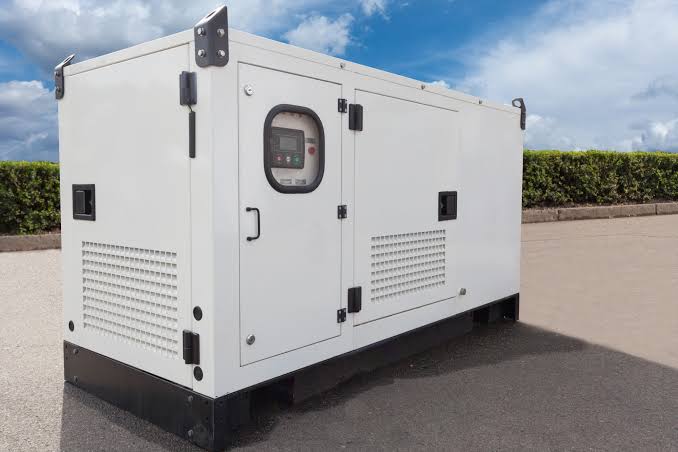
ATS / MTS Kenya
ATS/MTS solutions from Paneltech Systems provide reliable Automatic and Manual Transfer Switches for seamless power transfer in industrial and commercial electrical systems.
View Product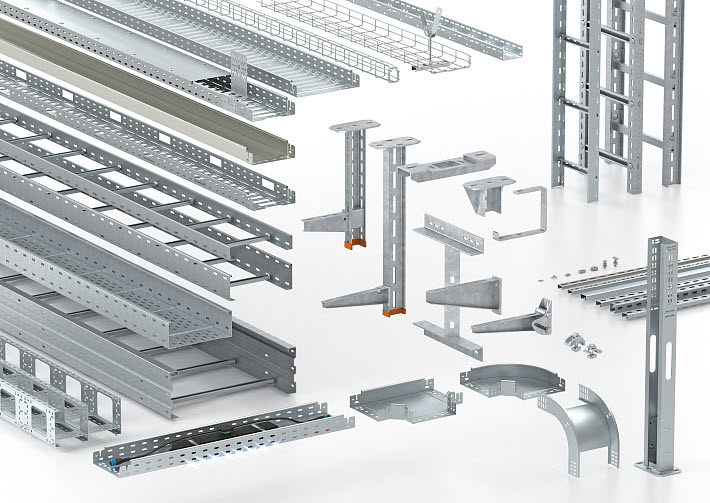
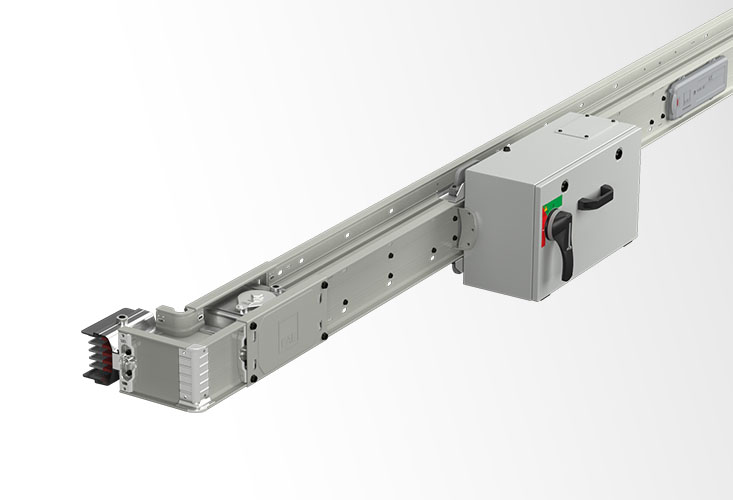
Cable Systems
Paneltech Systems offers comprehensive cable management systems for efficient, secure and organised cable setups across industrial and commercial environments.
View Product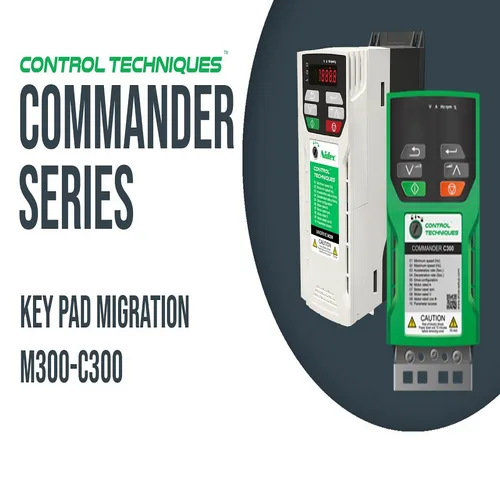
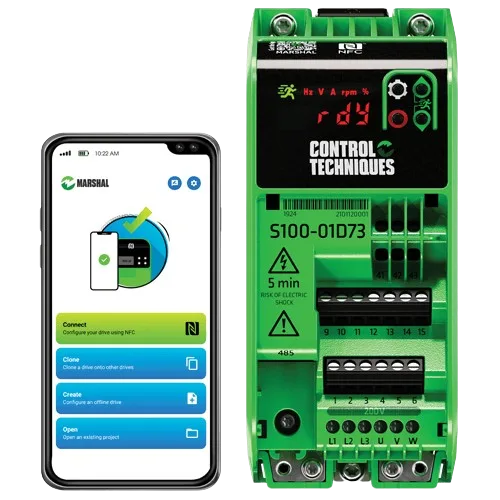
Commander C
Commander C VFD Drives from Paneltech Systems provide advanced motor control for industrial and commercial applications. Enhance efficiency and reliability.
View Product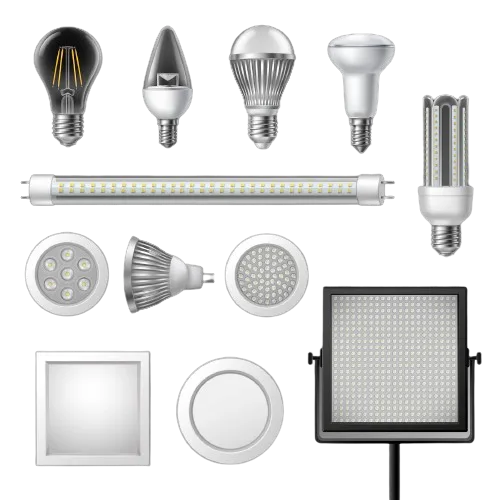
LED Lights
Paneltech Systems offers high-quality LED lighting solutions for indoor and outdoor applications ÔÇö bright, energy-efficient lighting for commercial and industrial spaces.
View ProductUnderstanding the correct short circuit rating for switchboards in Kenya helps engineers, consultants, contractors, and facility owners specify equipment that safely withstands prospective fault currents while complying with recognised engineering standards.
Kenyan electrical systems also present unique engineering considerations, including:
- KPLC network upgrades
- Large utility transformers
- Industrial motor contributions
- Generator integration
- Solar and battery storage systems
- Future increases in fault levels as facilities expand
At Paneltech Systems Ltd, we design and manufacture low-voltage switchboards, Motor Control Centres (MCCs), APFC panels, ATS systems, VFD control panels, and custom electrical assemblies engineered to recognised international standards and Kenyan operating conditions. Learn more about our engineering expertise at about, explore our products at products, or contact our engineering team through contact.
A short circuit rating defines the maximum fault current that a switchboard can safely withstand without suffering unacceptable damage. It ensures the assembly remains structurally and electrically safe until protective devices isolate the fault.
The rating considers:
- Busbar strength
- Mechanical forces
- Thermal withstand capability
- Protective device coordination
- Assembly construction
It applies to the complete switchboard—not only the individual circuit breakers installed inside it.
Electrical faults release enormous amounts of energy within milliseconds. Correctly rated switchboards reduce the risk of catastrophic equipment failure, improve personnel safety, and support reliable system operation.
Proper fault ratings help protect:
- Personnel
- Electrical equipment
- Production facilities
- Critical infrastructure
- Business continuity
They are especially important where high-capacity transformers or generators are installed.
No. While a 25kA switchboard may be suitable for some small commercial installations, many industrial facilities, hospitals, data centres, and large commercial buildings require higher fault ratings such as 36kA, 50kA, or 65kA. The correct rating should always be determined through a fault level study rather than assumption.
Factors influencing the required rating include:
- Transformer size
- Distance from the transformer
- Utility fault contribution
- Generator contribution
- Motor contribution
- Future system expansion
Switchboard fault ratings should be selected according to calculated prospective fault currents and project engineering requirements.
| Specification | Typical Requirement |
|---|---|
| System Voltage | 415V AC |
| Frequency | 50 Hz |
| Typical Fault Ratings | 25kA, 36kA, 50kA, 65kA |
| Short-Time Withstand | 1–3 Seconds (Project Dependent) |
| Busbar Material | Copper |
| Internal Segregation | Form 2, Form 3, Form 4 |
| Enclosure Rating | IP54 / IP65 |
| Protection Devices | MCCB / ACB |
| Compliance | IEC 61439 |
| Installation | Indoor / Outdoor |
Prospective fault current is the maximum current that could flow during a short circuit at a specific point within the electrical system. It determines the minimum fault rating required for the switchboard.
Fault current depends on:
- Utility transformer capacity
- Cable impedance
- Generator contribution
- Motor contribution
- Electrical system configuration
Accurate calculations are essential before equipment selection.
These values represent the maximum symmetrical fault current a switchboard is designed to withstand under specified test conditions. Higher ratings provide greater fault withstand capability for larger or more demanding electrical systems.
25kA
Typically suitable for:
- Small commercial buildings
- Light industrial facilities
- Limited transformer capacity
36kA
Often used for:
- Medium commercial developments
- Larger office buildings
- Hospitals
50kA
Common in:
- Manufacturing plants
- Large industrial facilities
- Distribution centres
65kA
Frequently specified for:
- Data centres
- Heavy industry
- Large infrastructure projects
- High-capacity utility supplies
The final selection should always be based on engineering calculations.
Icw (Rated Short-Time Withstand Current) defines the current a switchboard can safely carry for a specified duration without unacceptable damage. This rating is particularly important for switchboards using time-delayed protection or selective coordination.
Typical durations include:
- 1 second
- 2 seconds
- 3 seconds
Higher Icw values improve system resilience during fault conditions.
During a short circuit, enormous electromagnetic forces act on switchboard busbars. Correct busbar sizing and mechanical support are essential to prevent deformation or structural failure.
Engineering considerations include:
- Busbar dimensions
- Support spacing
- Material strength
- Mechanical bracing
Paneltech engineers LV switchboards with appropriate fault withstand capability through low-voltage-panels.
A switchboard's fault rating must work together with correctly selected protective devices to ensure faults are cleared safely and efficiently.
Proper coordination considers:
- Breaker interrupting capacity
- Selectivity
- Discrimination
- Protection settings
Correct coordination improves operational continuity and equipment protection.
Fault current calculations should include contributions from standby generators and large motors, as these sources can significantly increase available fault current during certain operating conditions.
Important considerations include:
- Diesel generators
- Gas generators
- Large induction motors
- Synchronous motors
- Parallel power systems
Ignoring these contributions can result in underrated switchboards.
Electrical systems often expand over time. Designing only for today's fault level may require costly switchboard replacement as transformer capacity or generation increases.
Future planning should consider:
- Larger transformers
- Additional generators
- Solar PV integration
- Battery Energy Storage Systems (BESS)
- Facility expansion
Allowing for future growth helps protect long-term investment.
Short circuit performance should be combined with enclosure protection appropriate for Kenya's diverse operating environments.
Nairobi
Typical considerations:
- Commercial developments
- Mixed electrical loads
- Indoor switchboards
Coastal Kenya
Typical considerations:
- IP65 enclosures
- Corrosion resistance
- Humidity protection
Industrial Regions
Typical considerations:
- Dust protection
- Heavy motor loads
- High fault levels
Panel design should consider both electrical performance and environmental protection.
Underrated switchboards may not safely withstand fault conditions, while unnecessary overspecification can increase project costs. Proper engineering strikes the right balance.
Common mistakes include:
- Assuming 25kA is always sufficient
- No fault level study
- Ignoring generator contribution
- Ignoring future expansion
- Selecting breakers independently of switchboard ratings
- No coordination study
Professional fault analysis reduces these risks.
Switchboards should comply with recognised international standards governing low-voltage assemblies and fault withstand capability.
Relevant standards include:
- IEC 61439 – Low Voltage Switchgear and Controlgear Assemblies
- IEC 60947 – Low Voltage Switchgear and Controlgear
- IEC 60364 – Electrical Installations
- BS EN standards for switchgear assemblies
- EPRA electrical requirements applicable in Kenya
Paneltech Systems Ltd designs and manufactures low-voltage switchboards engineered for the calculated fault levels of Kenyan commercial, industrial, and infrastructure projects.
Our specialised services include:
- Low Voltage (LV) Switchboards
- Motor Control Centres (MCCs)
- APFC Panels
- ATS / MTS Systems
- VFD Control Panels
- Energy Monitoring Panels
- PLC Automation Panels
- Fault Level Assessment Support
- Electrical Engineering Consultation
- Custom Panel Manufacturing
Explore our engineering solutions through home-main, access technical resources through knowledge-site, discover residential solutions through paneltechhomes, or visit home1.
Correct short circuit ratings are fundamental to switchboard safety and long-term electrical system reliability.
What is a short circuit rating?
It is the maximum fault current a switchboard can safely withstand without unacceptable damage until protective devices clear the fault.
Is a 25kA switchboard suitable for every project?
No. Many commercial and industrial installations require higher ratings such as 36kA, 50kA, or 65kA based on calculated fault levels.
What is Icw?
Icw is the rated short-time withstand current, indicating how much fault current a switchboard can carry safely for a specified duration.
Why is a fault level study important?
It determines the available prospective fault current and ensures the switchboard is correctly rated for the installation.
Can Paneltech design switchboards for higher fault ratings?
Yes. Paneltech designs custom switchboards engineered to project-specific fault levels, operational requirements, and recognised international standards.
Powering Kenya's Future with Reliable Electrical Solutions
Email: [email protected]
Phone: 0799 531765
Location: Nairobi, Kenya
Website: https://paneltechsystems.co.ke/
Our Specialized Services:
- Low Voltage (LV) Panels & APFC Panels
- VFD Drive Solutions & ATS / MTS Systems
- Solar Power & EV Charging Infrastructure
- Electrical Supplies & Engineering Consultations