Power Distribution Commercial Buildings in Kenya: Vertical Busbar Trunking System, Smart Metering and High-Rise Electrical Design | Paneltech Systems
Looking for power distribution commercial buildings solutions in Kenya? Explore vertical busbar trunking systems, landlord tenant smart sub metering, and main sub-distribution panels for high-rise buildings. Paneltech Systems Ltd delivers IEC-compliant commercial electrical infrastructure.

Power distribution for commercial buildings refers to the engineered electrical system that safely delivers, controls, and monitors electrical energy across multi-storey offices, shopping malls, mixed-use developments, and high-rise towers. Modern commercial power distribution systems rely on vertical busbar trunking, intelligent sub-distribution panels, and smart metering systems to efficiently manage high electrical loads across multiple tenants and floors. These systems ensure safety, scalability, and energy accountability in complex buildings.
In Kenya’s rapidly expanding real estate sector—especially in Nairobi, Mombasa, and emerging satellite cities—developers are increasingly adopting smart electrical infrastructure to support mixed-use developments and high-rise commercial buildings.
Why Commercial Buildings Need Advanced Power Distribution Systems
Commercial buildings require advanced power distribution systems because they must safely handle high electrical loads across multiple tenants while ensuring uninterrupted supply, safety compliance, and energy accountability. Poor electrical design can lead to overloads, downtime, and tenant disputes over energy usage.
Kenyan commercial developments face additional challenges:
- Increasing density of high-rise buildings in urban centers
- Rising energy consumption from air conditioning and elevators
- Multi-tenant billing and metering complexity
- Grid instability in peak demand hours
Modern developments depend on structured LV infrastructure such as low-voltage-panels which form the backbone of safe and scalable building power distribution systems.
Vertical Busbar Trunking Systems in High-Rise Buildings
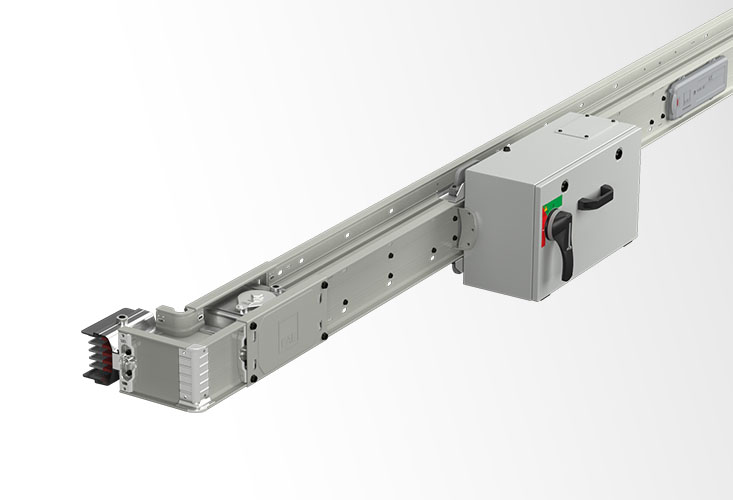
Vertical busbar trunking systems are compact, high-capacity electrical distribution systems designed to transport large currents vertically through multi-storey buildings with minimal energy loss and maximum safety.
Why Busbar Trunking is Critical:
- Eliminates bulky cable risers
- Reduces installation space in shafts
- Improves fire safety and heat dissipation
- Allows easy tapping for each floor or tenant
In high-rise buildings, busbar systems replace traditional cable risers and are installed in dedicated electrical shafts, distributing power efficiently from the main LV room to each floor.
These systems integrate seamlessly with LV switchgear solutions such as low-voltage-panels which handle primary distribution before vertical transmission.
Main Sub-Distribution Panels in Commercial Buildings
Main sub-distribution panels (SDBs) are responsible for distributing electrical power from the main LV board to individual floors, tenants, or building zones in a controlled and protected manner.
Key Functions:
- Load segmentation per floor or tenant
- Circuit protection using MCCBs and MCBs
- Integration with emergency power systems
- Isolation of faults without affecting entire building
In modern Kenyan commercial buildings, SDBs are designed with modular architecture allowing easy expansion as tenants change or building usage evolves.
Motorized loads such as elevators and water pumps are managed using automation systems like #motor-control-panels, ensuring stable and efficient operation across the building.
Landlord Tenant Smart Sub Metering Systems
Landlord tenant smart sub metering systems enable accurate measurement and billing of electricity consumption for individual tenants within commercial buildings. These systems improve transparency, reduce disputes, and enhance energy efficiency.
Key Features:
- Real-time energy consumption tracking
- Digital billing integration
- Remote monitoring and reporting
- Load profiling per tenant
Smart metering systems are increasingly important in Kenya’s commercial real estate sector, where mixed-use developments combine offices, retail spaces, and residential units.
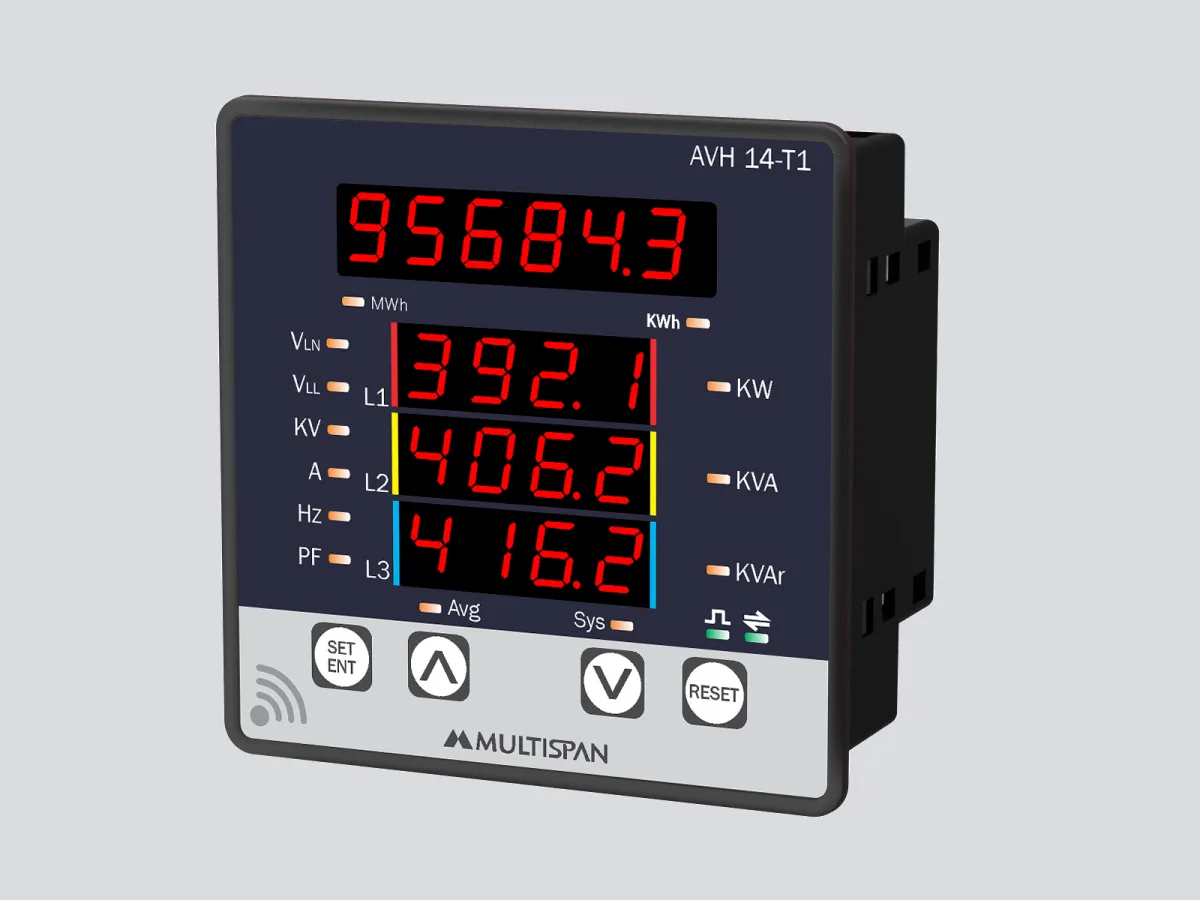
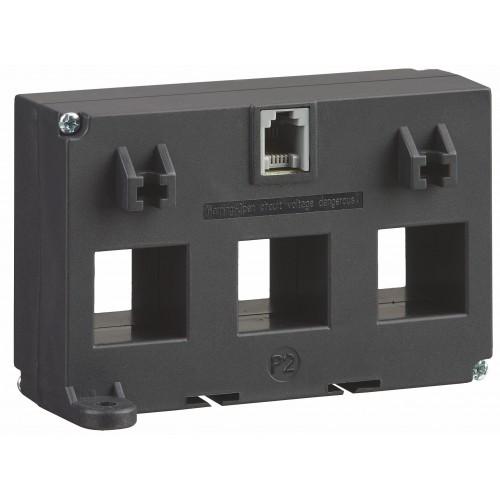
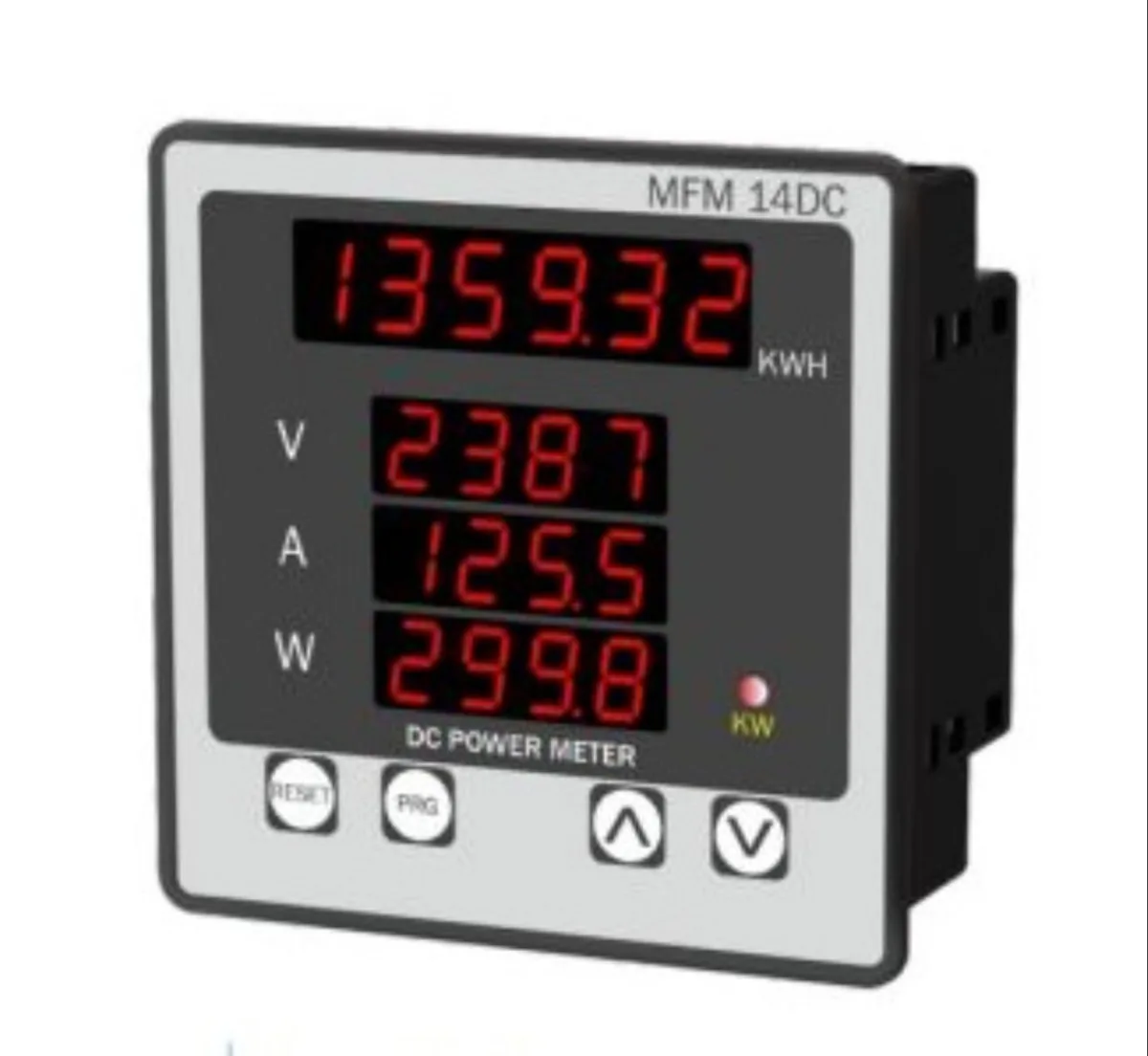
Advanced metering and monitoring systems such as rishabh-products provide precise energy measurement and power quality analysis required for fair tenant billing.
Electrical Design for High-Rise Commercial Buildings
High-rise electrical design involves structured planning of vertical and horizontal power distribution systems to ensure safety, redundancy, and scalability across multiple floors of a building.
Core Design Elements:
- Main LV switchroom at basement level
- Vertical busbar risers in service shafts
- Floor-by-floor sub-distribution panels
- Dedicated emergency power circuits
Each floor is designed as an independent electrical zone, allowing maintenance or faults on one level without affecting others.
LV infrastructure such as low-voltage-panels ensures safe and compliant distribution across all building levels.
Emergency Power and Backup Systems in Commercial Buildings
Emergency power systems ensure uninterrupted operation of critical building services such as elevators, fire systems, security systems, and lighting during grid failures.
Backup Architecture:
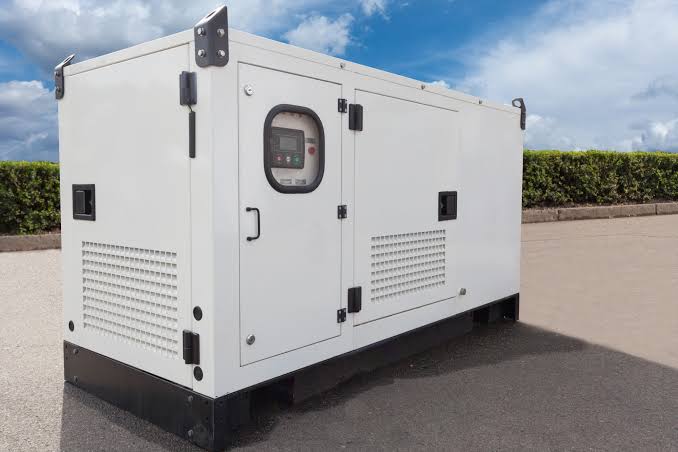
- Diesel generator sets for long-duration outages
- UPS systems for instant power continuity
- Automatic transfer switches (ATS) for seamless switching
ATS integration is commonly managed through engineered systems similar to #apfc-112, ensuring smooth load transfer and voltage stabilization during power interruptions.
Energy Efficiency in Commercial Power Distribution
Energy efficiency in commercial buildings is achieved through intelligent load management, smart metering, and optimized electrical distribution systems that reduce operational costs and improve sustainability.
Efficiency Strategies:
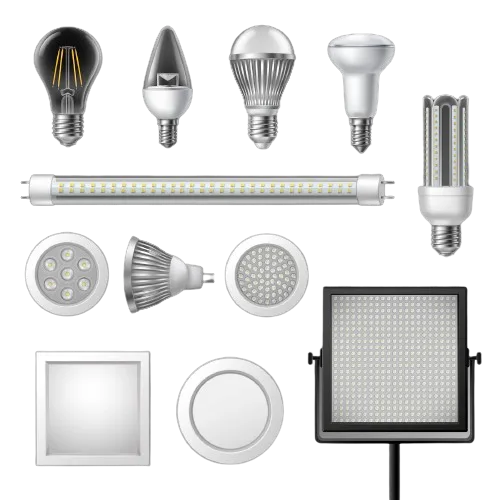
- LED lighting systems with motion sensors
- Demand-based HVAC control systems
- Load balancing across phases
- Smart energy monitoring dashboards
Instrumentation systems such asmultispan-products help building managers monitor real-time energy usage and optimize consumption patterns.
Safety and Compliance in Commercial Electrical Systems
Commercial building electrical systems must comply with IEC 61439, IEC 60364, and EPRA Kenya regulations to ensure safety, reliability, and legal compliance.
Key Safety Requirements:
- Proper earthing and grounding systems
- Fire-rated cable management systems
- Circuit protection using MCCBs and RCDs
- Emergency isolation systems
All switchgear systems must be designed and tested according to international standards to ensure long-term operational safety.
Environmental Considerations in Commercial Electrical Design
Commercial electrical systems must account for environmental factors such as heat buildup, humidity, dust, and corrosion, especially in densely built urban environments.
Design Considerations:
- IP54–IP65 rated enclosures
- Ventilated electrical risers
- Corrosion-resistant busbar materials
- Thermal monitoring of distribution boards
Durable LV systems such as low-voltage-panels ensure long-term reliability in high-density commercial installations.
System Specifications Table
| Parameter | Specification |
|---|---|
| System Type | Multi-tenant Commercial LV Distribution |
| Voltage | 415V / 240V AC |
| Frequency | 50Hz |
| Distribution Method | Vertical Busbar Trunking + SDBs |
| Metering System | Smart Digital Sub Metering |
| Enclosure Rating | IP54–IP65 |
| Load Capacity | 100A – 6300A (varies by building) |
| Backup System | Generator + UPS Hybrid |
| Standards Compliance | IEC 61439, IEC 60364, EPRA Kenya |
| Monitoring System | Smart Energy Management System (EMS) |
Paneltech Engineering Approach to Commercial Buildings
Paneltech Systems Ltd designs commercial electrical systems using a structured multi-layer distribution model:
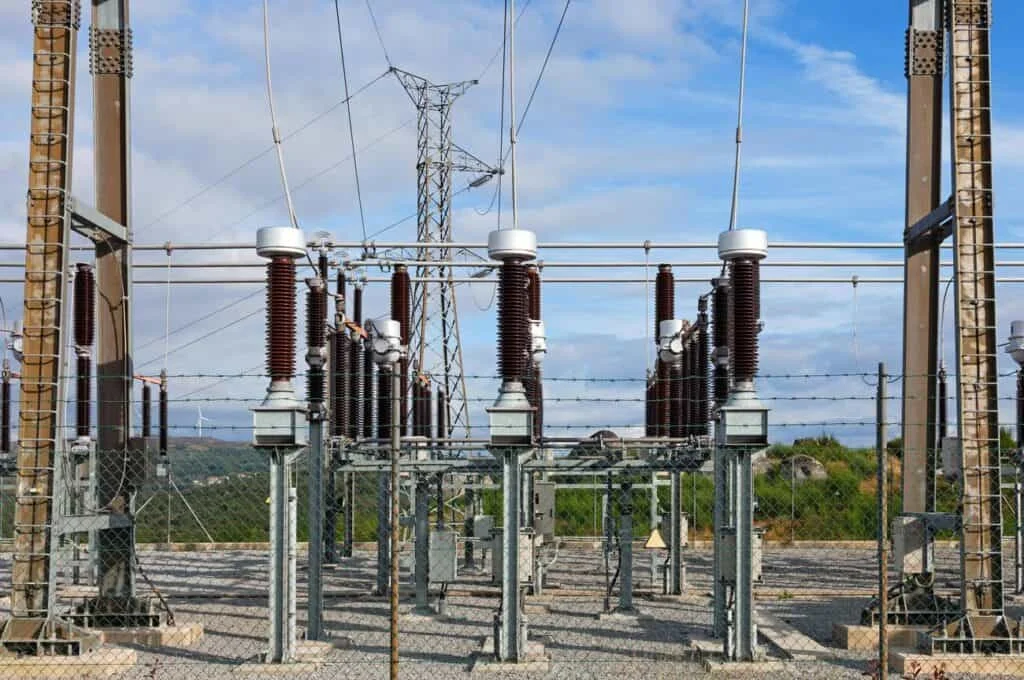
- Primary Supply: Utility grid (KPLC or private transformer)
- Main Distribution: LV switchboards and main distribution panels
- Vertical Distribution: Busbar trunking systems for each floor
- Tenant Distribution: Smart sub metering and isolated circuits
This ensures scalable, safe, and efficient power delivery across all building zones.
Integration with systems such as low-voltage-panels ensures robust compliance with international standards while maintaining flexibility for future expansion.
Conclusion
Power distribution for commercial buildings is a critical engineering discipline that ensures safety, efficiency, and scalability in modern high-rise developments. In Kenya’s rapidly growing real estate sector, vertical busbar trunking, smart sub metering, and structured LV distribution systems are essential for managing complex multi-tenant electrical loads.
Paneltech Systems Ltd delivers end-to-end commercial electrical infrastructure designed for reliability, compliance, and long-term operational efficiency.
Contact Paneltech Systems Ltd
Powering Kenya's Future with Reliable Electrical Solutions
Email: [email protected]
Phone: 0799 531765
Location: Nairobi, Kenya
Website: https://paneltechsystems.co.ke/
Our Specialized Services:
Low Voltage (LV) Panels & APFC Panels
VFD Drive Solutions & ATS / MTS Systems
Solar Power & EV Charging Infrastructure
Electrical Supplies & Engineering Consultations