Machine Safety Circuits Kenya: 2026 Engineering Guide and Specs | Paneltech Systems Kenya
Looking for machine safety circuits Kenya industries rely on? Learn how emergency stops, safety relays, guard interlocks, and compliant control panels protect operators and equipment. Get an engineered safety solution from Paneltech Systems Ltd.
Industrial automation has transformed manufacturing operations across Kenya, improving productivity, accuracy, and production capacity. However, increased automation also requires stronger safety systems to protect operators, maintenance teams, and equipment.
Machines such as conveyors, packaging lines, CNC systems, processing equipment, robotic systems, and production machinery depend on correctly designed safety circuits to prevent hazardous operation.
Related Products

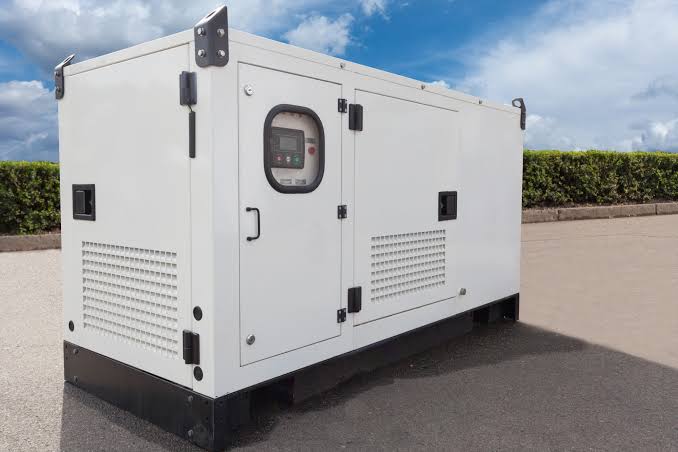
ATS / MTS Kenya
ATS/MTS solutions from Paneltech Systems provide reliable Automatic and Manual Transfer Switches for seamless power transfer in industrial and commercial electrical systems.
View Product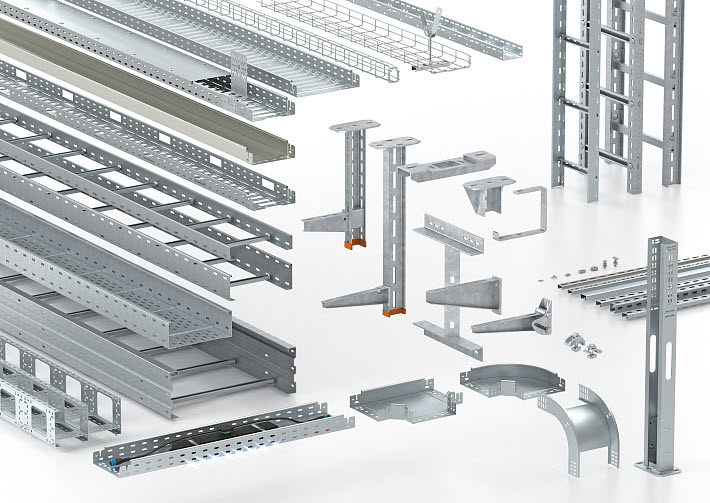
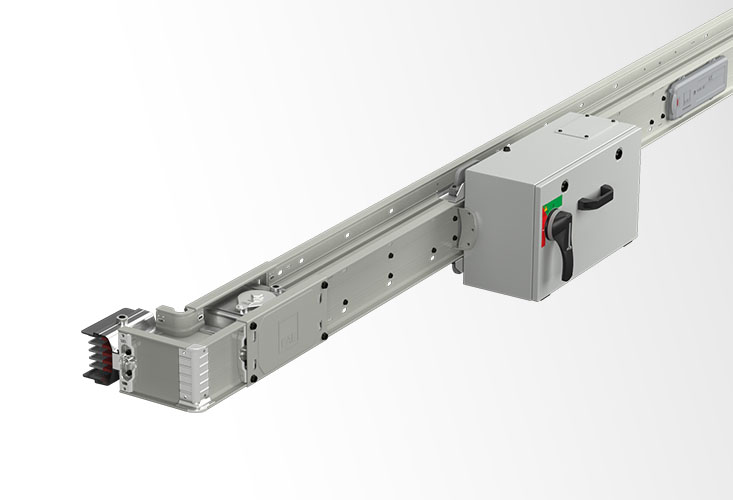
Cable Systems
Paneltech Systems offers comprehensive cable management systems for efficient, secure and organised cable setups across industrial and commercial environments.
View Product
LV Panel
High-quality low voltage panels designed for reliable power distribution and protection in industrial and commercial installations.
View Product
Protection Panels
Robust protection panels safeguarding electrical systems and equipment from faults, overloads and short circuits.
View ProductMachine safety circuits Kenya manufacturers and industrial facilities require provide a dedicated layer of protection by monitoring emergency stops, safety guards, interlocks, and machine operating conditions. These systems ensure machinery stops safely when dangerous situations occur.
A properly designed machine safety system helps industries reduce:
- Workplace accidents
- Equipment damage
- Unexpected downtime
- Compliance risks
- Production interruptions
Modern safety circuits are integrated into industrial control panels using safety relays, safety PLCs, emergency stop devices, and monitored inputs.
At Paneltech Systems Ltd, we design and manufacture industrial control panels, PLC automation systems, MCC panels, and custom electrical solutions for Kenyan industries. Learn more about our engineering services at about, explore our products at products, or contact our technical team through contact.
Machine safety circuits are electrical control systems designed to detect unsafe conditions and safely stop machinery when hazards occur. They use dedicated safety devices to prevent dangerous machine operation.
A machine safety circuit typically includes:
- Emergency stop buttons
- Safety relays
- Guard switches
- Interlock devices
- Safety contactors
- Reset controls
- Monitoring systems
These circuits operate independently from normal machine controls to provide additional protection.
Machine safety circuits protect workers and equipment by ensuring machinery responds correctly during emergencies. They are essential for industries operating automated production equipment.
Industries that commonly require safety circuits include:
- Manufacturing plants
- Food processing facilities
- Packaging industries
- Mining operations
- Cement factories
- Warehouses
- Assembly plants
As automation increases, safety systems become a critical part of machine design.
A complete machine safety circuit should include emergency stops, safety relays or safety PLCs, guard interlocks, monitored feedback circuits, and correctly integrated control logic. The design should ensure the machine enters a safe condition when a hazard is detected.
Essential components include:
- Emergency stop devices
- Safety-rated control equipment
- Dual-channel wiring
- Manual reset functions
- Contactor monitoring
Safety circuits must be designed according to machine risk levels, operating requirements, and recognised safety standards.
| Specification | Typical Requirement |
|---|---|
| Control Voltage | 24V DC Safety Circuit |
| Emergency Stop Type | Latching Mushroom Push Button |
| Safety Device | Safety Relay / Safety PLC |
| Input Monitoring | Dual Channel |
| Reset Method | Manual Monitored Reset |
| Output Control | Safety Contactors |
| Communication | Industrial Networks Optional |
| Enclosure Rating | IP54 / IP65 |
| Standards | ISO 13849, IEC 60204 |
| Mounting | Control Panel Integrated |
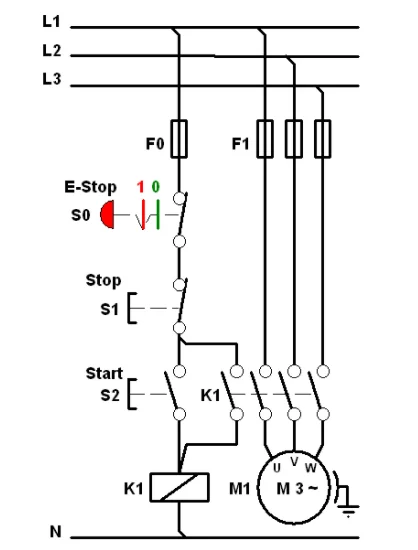
Emergency stop circuits allow operators to immediately stop machinery during dangerous situations. They are one of the most important elements of machine safety systems.
Emergency stops are designed to:
- Remove hazardous motion
- Interrupt machine operation
- Prevent further danger
Common applications include:
- Conveyor systems
- Production lines
- Cutting equipment
- Packaging machines
A proper E-stop system should include:
- Red emergency stop actuator
- Safety-rated monitoring
- Manual reset
- Correct wiring
Safety relays monitor safety devices and ensure machinery cannot restart after a safety event until the system has been checked and reset.
A safety relay performs functions such as:
- Monitoring emergency stops
- Checking guard switches
- Detecting wiring faults
- Controlling safety outputs
Unlike standard relays, safety relays include:
- Internal diagnostics
- Redundant channels
- Fault detection
Guard interlocks prevent machinery from operating when protective guards are open or removed. They protect operators from moving parts and hazardous areas.
Common guard protection devices include:
- Door switches
- Safety switches
- Magnetic sensors
- Coded interlocks
Applications include:
- Machine enclosures
- Processing equipment
- Robotic cells
- Automated production lines
Dual-channel wiring improves machine safety by providing redundancy and fault detection. If one channel fails, the safety system can identify the problem and prevent unsafe operation.
Benefits include:
- Higher reliability
- Fault monitoring
- Reduced risk of bypass failure
Dual-channel systems are commonly used for:
- Emergency stops
- Safety gates
- Light curtains
Safety PLCs provide advanced machine protection by combining safety monitoring with programmable automation functions. They are suitable for complex industrial systems.
Safety PLC functions include:
- Safety logic processing
- Multiple device monitoring
- Network communication
- Diagnostic reporting
Applications include:
- Large production lines
- Automated factories
- Multi-machine systems
Machine safety circuits are commonly integrated into PLC control panels to coordinate normal operation and safety functions.
A complete automation panel may include:
- PLC controller
- Safety relay
- VFD drives
- Motor protection
- HMI interface
- Communication modules
Paneltech provides PLC automation and control solutions through products.
A machine safety system should be based on a risk assessment that identifies hazards and determines the required protection level.
Risk assessment considers:
- Machine movement
- Operator access
- Hazard severity
- Exposure frequency
- Required safety category
This ensures safety measures match actual operational risks.
Machine safety circuits are designed according to performance requirements that determine how reliably the system responds to faults.
Important concepts include:
- Safety Category
- Performance Level (PL)
- Safety Integrity Level (SIL)
Higher-risk machinery may require:
- Redundant circuits
- Advanced diagnostics
- Safety PLC systems
Machine safety circuits support safer automation across multiple Kenyan industries where machinery creates potential operational hazards.
Common applications include:
Conveyor Systems
Safety features:
- Pull cords
- Emergency stops
- Guard monitoring
Packaging Lines
Safety features:
- Door interlocks
- Light curtains
- Emergency shutdown
Processing Equipment
Safety features:
- Operator protection
- Access monitoring
- Fault detection
Machine safety panels should be designed according to the operating environment to protect electrical components from dust, moisture, and temperature conditions.
Considerations include:
Manufacturing Plants
Requirements:
- Dust protection
- Reliable cooling
Outdoor Installations
Requirements:
- Higher IP rating
- Weather protection
Coastal Locations
Requirements:
- Corrosion protection
- Humidity management
Regular testing ensures machine safety circuits continue operating correctly and provides confidence that emergency functions will work when required.
Maintenance should include:
- E-stop testing
- Safety relay checks
- Guard switch testing
- Wiring inspection
- Diagnostic review
Technical resources are available through knowledge-site.
Poor safety circuit design can create hidden risks and reduce machinery protection. Proper engineering prevents unreliable safety performance.
Common mistakes include:
- Using standard relays instead of safety relays
- Incorrect E-stop wiring
- No risk assessment
- Bypassed safety devices
- Poor documentation
- No periodic testing
Machine safety circuits should follow recognised international safety standards to ensure reliable protection of operators and equipment.
Relevant standards include:
- IEC 60204 – Electrical Equipment of Machines
- ISO 13849 – Safety-Related Parts of Control Systems
- IEC 62061 – Functional Safety of Machinery
- IEC 61439 – Control Panel Assemblies
- EPRA electrical requirements applicable in Kenya
Paneltech Systems Ltd designs and manufactures industrial control panels with integrated safety solutions for Kenyan manufacturing and automation projects.
Our specialised services include:
- Machine Safety Panels
- PLC Control Panels
- Industrial Automation Systems
- MCC Panels
- VFD Solutions
- LV Switchboards
- ATS / MTS Systems
- APFC Panels
- Electrical Engineering Consultation
- Custom Panel Manufacturing
Explore our engineering solutions through home-main, access technical resources through knowledge-site, discover residential solutions through paneltechhomes, or visit home1.
Machine safety circuits improve industrial safety by ensuring machinery responds correctly during dangerous conditions.
What is the purpose of a machine safety circuit?
It detects unsafe conditions and safely stops machinery to protect operators and equipment.
Why use a safety relay instead of a normal relay?
Safety relays provide monitoring, diagnostics, and redundancy required for safety applications.
Are emergency stops enough for machine safety?
No. Emergency stops are one part of a complete safety system that may include guards, interlocks, and monitoring.
Can safety circuits be added to existing machines?
Yes. Existing machines can often be upgraded with safety relays, emergency stops, and interlock systems.
Can Paneltech design machine safety control panels?
Yes. Paneltech designs custom automation and safety control panels based on machine requirements and operational risks.
Powering Kenya's Future with Reliable Electrical Solutions
Email: [email protected]
Phone: 0799 531765
Location: Nairobi, Kenya
Website: https://paneltechsystems.co.ke/
Our Specialized Services:
- Low Voltage (LV) Panels & APFC Panels
- VFD Drive Solutions & ATS / MTS Systems
- Solar Power & EV Charging Infrastructure
- Electrical Supplies & Engineering Consultations