KPLC Reactive Power Penalty: 2026 Engineering Guide and Specs | Paneltech Systems Kenya
Learn how to identify the KPLC reactive power penalty on your electricity bill and eliminate unnecessary charges using correctly sized capacitor banks and APFC panels. Paneltech Systems provides engineered power factor correction solutions in Kenya.

Electricity bills are one of the largest operating costs for many Kenyan industries, commercial buildings, and large facilities. While most organisations focus on reducing energy consumption, many overlook an additional cost caused by poor power factor: the KPLC reactive power penalty.
Reactive power penalties occur when electrical installations consume excessive reactive energy due to inductive loads such as motors, transformers, compressors, pumps, HVAC systems, and industrial machinery. When the power factor falls below acceptable levels, utilities may apply additional charges because the electrical network must carry higher current to deliver the same useful power.
Related Products

ATS / MTS Kenya
ATS/MTS solutions from Paneltech Systems provide reliable Automatic and Manual Transfer Switches for seamless power transfer in industrial and commercial electrical systems.
View Product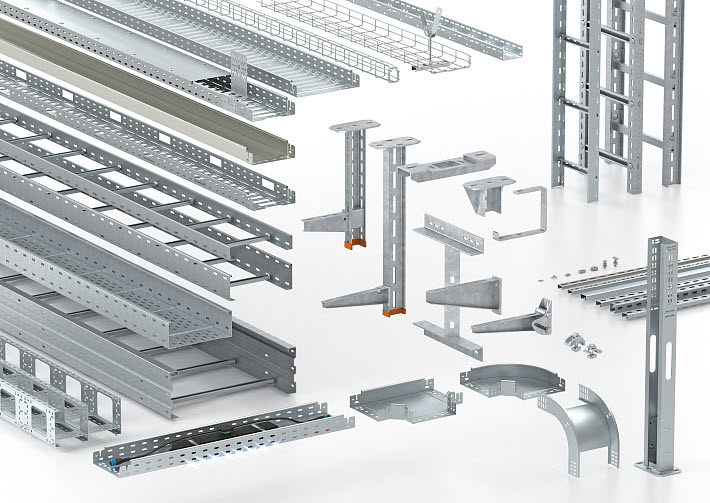
Cable Systems
Paneltech Systems offers comprehensive cable management systems for efficient, secure and organised cable setups across industrial and commercial environments.
View Product
APFC 112
Multispan APFC 112 automatic power factor controller for reactive power compensation and energy optimisation.
View Product
PFC
Power Factor Correction panels designed to improve power quality and reduce energy costs in industrial installations.
View ProductFor factories, warehouses, commercial buildings, and processing plants, poor power factor can lead to:
- Increased electricity bills
- Reduced electrical capacity
- Higher current loading
- Greater cable losses
- Transformer inefficiency
- Additional utility charges
The solution is not simply installing random capacitors. A properly engineered Automatic Power Factor Correction (APFC) panel must be designed according to actual load behaviour, harmonic levels, and operating conditions.
At Paneltech Systems Ltd, we design and manufacture APFC panels, LV switchboards, industrial automation systems, and electrical power solutions for Kenyan industries. Learn more about our services at about, explore our electrical products at products, or contact our engineers through contact.
The KPLC reactive power penalty is an additional electricity charge applied when a customer's power factor performance falls below required levels. It compensates for inefficient use of the electrical network caused by excessive reactive energy demand.
Electrical loads require two types of power:
Active Power (kW)
This is the useful power that performs work, such as:
- Turning motors
- Producing heat
- Running equipment
Reactive Power (kVAr)
This supports the operation of inductive equipment by creating magnetic fields.
Examples include:
- Motors
- Transformers
- Pumps
- Compressors
- HVAC systems
The relationship between these is measured as:
Power Factor = kW / kVA
A low power factor means more current is required to deliver the same useful power.
Customers can identify reactive power-related charges by reviewing electricity bill sections showing maximum demand, reactive energy consumption, kVAr readings, or power factor information. Reviewing historical bills helps confirm whether penalties are recurring.
Important bill information includes:
- Maximum demand (kVA)
- Energy consumption (kWh)
- Reactive energy (kVArh)
- Power factor readings
- Demand charges
A facility consistently operating with poor power factor should investigate correction options.
The most effective way to eliminate reactive power penalties is installing a correctly sized APFC panel that automatically switches capacitor stages according to real-time load demand. Proper sizing prevents both under-correction and over-correction.
The process involves:
- Measuring existing power factor
- Analysing load patterns
- Calculating required kVAr compensation
- Selecting capacitor stages
- Installing an APFC system
- Monitoring performance
Many Kenyan industrial facilities experience low power factor because they operate large inductive loads such as motors, pumps, compressors, and HVAC systems. These loads consume reactive power during normal operation.
Common causes include:
- Large induction motors
- Older equipment
- Lightly loaded motors
- Welding machines
- Transformers
- Variable production loads
Industries affected include:
- Manufacturing plants
- Food processing facilities
- Cement factories
- Textile plants
- Water treatment facilities
APFC panels are engineered according to electrical load requirements, harmonic conditions, and target power factor improvement.
| Specification | Typical Requirement |
|---|---|
| System Voltage | 415V AC |
| Frequency | 50 Hz |
| Correction Type | Automatic Capacitor Switching |
| Capacitor Rating | Based on kVAr Requirement |
| Controller | Digital Power Factor Relay |
| Enclosure Rating | IP54 / IP65 |
| Busbar Material | Copper / Aluminium |
| Mounting Type | Floor Standing |
| Protection | MCCB, Fuses, Contactors |
| Standards | IEC 61439, IEC 60831 |
An APFC panel continuously monitors electrical power factor and automatically connects or disconnects capacitor banks to maintain efficient operation.
The main components include:
Power Factor Controller
Measures:
- Voltage
- Current
- Power factor
Capacitor Banks
Provide reactive compensation.
Switching Contactors
Connect capacitor stages according to demand.
Protection Devices
Protect:
- Capacitors
- Switching components
- Electrical network
Incorrect capacitor sizing can fail to solve reactive power problems or create new issues such as over-correction and voltage instability. Engineering calculations are required before selecting an APFC system.
Sizing depends on:
- Existing power factor
- Target power factor
- Maximum demand
- Load profile
- Operating hours
- Harmonic distortion
A typical calculation considers:
Required kVAr = kW × (tan φ₁ − tan φ₂)
Where:
- φ₁ = existing power factor angle
- φ₂ = target power factor angle
Facilities with VFDs, UPS systems, and electronic equipment may require detuned capacitor banks because harmonic currents can damage standard capacitor systems.
Harmonic-producing equipment includes:
- Variable Frequency Drives
- Data centre equipment
- Rectifiers
- UPS systems
- Switching power supplies
Solutions include:
- Detuned reactors
- Harmonic filters
- Special capacitor ratings
Paneltech provides industrial electrical solutions including VFD integration through vfd-drives.
A correctly designed APFC panel reduces reactive power costs, improves electrical efficiency, and releases additional capacity in existing electrical infrastructure.
Benefits include:
- Reduced utility penalties
- Improved power factor
- Lower cable losses
- Better transformer utilisation
- Increased system capacity
- Improved voltage stability
APFC systems must be installed according to site conditions, electrical loading, and equipment characteristics. Poor installation can reduce expected savings.
Important considerations include:
- Main incomer location
- Load measurement point
- Harmonic analysis
- Ventilation
- Panel protection
- Maintenance access
Facilities experiencing high demand charges, frequent electrical loading issues, or poor power factor readings should investigate APFC solutions.
Common warning signs include:
- Low power factor readings
- High kVA demand
- Transformer operating near capacity
- Voltage drops
- Reactive energy charges
Regular APFC maintenance ensures capacitor banks, controllers, and switching components continue operating effectively.
Maintenance activities include:
- Capacitor inspection
- Contact inspection
- Controller testing
- Thermal scanning
- Tightening connections
- Checking harmonic conditions
Technical resources are available through knowledge-site.
Many facilities fail to eliminate reactive penalties because they install incorrectly sized capacitor systems without analysing actual electrical conditions.
Common mistakes include:
- Installing fixed capacitors without analysis
- Ignoring harmonics
- Incorrect kVAr sizing
- Poor ventilation
- No maintenance programme
- Using unsuitable capacitor ratings
Reactive power management is part of broader power quality improvement. Monitoring voltage, harmonics, and load behaviour helps facilities maintain reliable electrical systems.
Power quality solutions may include:
- APFC panels
- Surge protection
- Voltage monitoring
- Harmonic filters
- Energy monitoring
APFC panels should comply with recognised electrical standards to ensure safe operation and reliable performance.
Relevant standards include:
- IEC 61439 – Low Voltage Switchgear Assemblies
- IEC 60831 – Power Capacitors
- IEC 60947 – Switchgear and Controlgear
- BS EN electrical standards
- EPRA requirements applicable in Kenya
Paneltech Systems Ltd designs and manufactures APFC panels engineered for Kenyan industrial and commercial environments. Our solutions help businesses reduce reactive power costs and improve electrical efficiency.
Our specialised services include:
- APFC Panels
- LV Switchboards
- MCC Panels
- VFD Solutions
- ATS / MTS Systems
- Solar Electrical Systems
- Power Quality Analysis
- Electrical Engineering Consultation
- Custom Panel Manufacturing
Explore our APFC solutions at #apfc-112, learn more about our engineering services through home-main, access technical resources through knowledge-site, discover residential solutions at paneltechhomes, or visit home1.
Power factor correction helps Kenyan businesses reduce unnecessary reactive power costs and improve electrical system efficiency.
What causes reactive power penalties?
They are mainly caused by low power factor from inductive electrical loads such as motors, transformers, and compressors.
Can an APFC panel remove KPLC penalties?
Yes. A correctly sized APFC system can improve power factor and reduce reactive power-related charges.
How is APFC panel size calculated?
It is calculated using measured load data, existing power factor, target power factor, and operating conditions.
Do all facilities need an APFC panel?
Facilities with significant inductive loads and poor power factor performance often benefit from APFC installation.
Can Paneltech design an APFC solution?
Yes. Paneltech provides APFC panel design, manufacturing, installation support, and power quality consultation.
Powering Kenya's Future with Reliable Electrical Solutions
Email: [email protected]
Phone: 0799 531765
Location: Nairobi, Kenya
Website: https://paneltechsystems.co.ke/
Our Specialized Services:
- Low Voltage (LV) Panels & APFC Panels
- VFD Drive Solutions & ATS / MTS Systems
- Solar Power & EV Charging Infrastructure
- Electrical Supplies & Engineering Consultations