Industrial Power Quality Solutions: Harmonics and Voltage Drop Mitigation for Industries in Kenya | Paneltech Systems
Protect delicate automated machinery with advanced industrial power quality solutions. Learn how APFC systems and harmonic filters stabilize voltage and reduce electrical disturbances across East Africa.
Industrial operations in Kenya and across East Africa are increasingly dependent on automated machinery, VFD-controlled motors, PLC systems, and sensitive electronic equipment. While these technologies improve productivity, they also introduce serious power quality challenges such as harmonics, voltage instability, and transient disturbances.
Poor power quality leads to equipment malfunction, unexpected downtime, overheating, and reduced lifespan of critical assets. For industries operating continuous production lines, even minor disturbances can result in significant financial losses.
Understanding Industrial Power Quality Problems
What Industrial Power Quality Means
Industrial power quality refers to the stability, purity, and reliability of electrical supply delivered to industrial equipment. Poor power quality is caused by harmonics, voltage drops, and electrical disturbances that affect system performance and efficiency.
In Kenya, power quality challenges are often intensified by grid fluctuations, long distribution lines, and rapidly expanding industrial loads.
Main Power Quality Issues in Industrial Networks
Common problems include:
- Harmonic distortion from non-linear loads
- Voltage drops in long cable distribution systems
- Sudden voltage spikes and surges
- Phase imbalance in three-phase systems
- Flicker caused by heavy motor starts
These issues directly affect production efficiency and equipment reliability.
Electrical Harmonics Mitigation in Industrial Systems
What Causes Harmonics in Electrical Networks
Electrical harmonics are caused by non-linear loads that draw current in distorted waveforms instead of smooth sinusoidal patterns. This distortion interferes with normal system operation and increases heating losses.
Typical harmonic-producing equipment includes:
- Variable Frequency Drives (VFDs)
- UPS systems
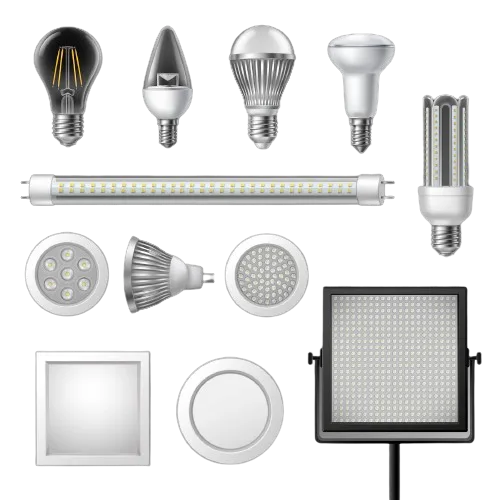
- LED lighting systems
- Rectifiers and converters
- Industrial automation systems
Effects of Harmonics on Industrial Equipment
Harmonics can lead to:
- Overheating of transformers and cables
- Capacitor bank failure in APFC systems
- Nuisance tripping of breakers
- Reduced motor efficiency
- Communication interference in control systems
Without proper mitigation, harmonics significantly reduce system reliability.
Harmonic Mitigation Techniques
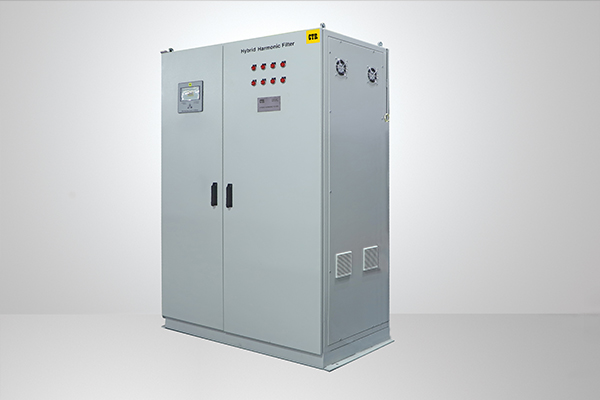
Electrical harmonics mitigation is achieved using filters that suppress unwanted frequency components and restore waveform purity. This protects sensitive industrial equipment and improves system efficiency.
Common solutions include:
- Passive harmonic filters
- Active harmonic filters
- Detuned reactors
- Hybrid filtering systems
Role of APFC Systems in Power Quality Improvement
How APFC Supports Power Quality Stability
APFC systems improve power quality by correcting reactive power and reducing unnecessary current flow in electrical networks. This stabilizes voltage levels and reduces stress on distribution infrastructure.
While APFC does not eliminate harmonics, it plays a critical role in reducing load-related inefficiencies.
APFC and Harmonic Interaction
In modern industrial systems, APFC panels must be designed carefully to avoid harmonic resonance issues. This is why detuned capacitor banks are often used in environments with high harmonic distortion.
Proper coordination between APFC systems and harmonic filters ensures:
- Stable power factor correction
- Reduced capacitor failure risk
- Improved voltage regulation
- Increased system reliability
Industrial Voltage Stabilization in Kenya
Why Voltage Drops Occur in Industrial Networks
Voltage drops occur when excessive current flows through long distribution lines or overloaded transformers. This results in reduced voltage at the load end, affecting equipment performance.
In Kenya, this is common in:
- Industrial parks with long feeder lines
- Rural manufacturing facilities
- High-load commercial buildings
Effects of Voltage Instability on Machinery
Voltage instability leads to:
- Motor overheating and reduced torque
- PLC and control system errors
- Reduced production efficiency
- Frequent equipment resets
- Premature component failure
Voltage Stabilization Techniques
Industrial voltage stabilization is achieved through system design optimization, load balancing, and reactive power correction. This ensures consistent voltage delivery to critical equipment.
Solutions include:
- APFC-based power factor correction
- Automatic voltage regulators (AVRs)
- Proper transformer sizing
- Phase load balancing systems
Integrated Power Quality Solutions for Industries
Combining APFC and Harmonic Filters
The most effective industrial power quality solutions combine APFC systems with harmonic filtering technologies. This ensures both reactive power correction and waveform stability.
This integrated approach is essential for modern automated industries using VFDs and sensitive electronics.
Benefits of Integrated Power Quality Systems
- Stable voltage supply
- Reduced harmonic distortion
- Improved transformer efficiency
- Lower energy losses
- Extended equipment lifespan
Industrial Applications in East Africa
These solutions are widely applied in:
- Manufacturing plants
- Food processing industries
- Water treatment facilities
- Commercial high-rise buildings
- Data and automation centers
System Specifications: Power Quality Solution Architecture
| Parameter | Specification |
|---|---|
| System Type | Integrated Power Quality System |
| Components | APFC + Harmonic Filters + Protection Systems |
| Rated Voltage | 415V AC, 3-Phase, 50Hz |
| Power Factor Target | 0.95 – 0.99 |
| Harmonic Reduction | Up to 90% THD reduction (with active filters) |
| Capacitor Type | Detuned / Heavy-duty MPP capacitors |
| Control System | Microcontroller / DSP-based control |
| Protection | MCCB, fuses, thermal protection |
| Standards Compliance | IEC 61439, IEEE 519, EPRA Kenya guidelines |
| Installation Type | Indoor / Outdoor industrial panels |
Why Power Quality Issues Are Increasing in Kenya
Industrial Growth and Electrical Complexity
Power quality issues are increasing in Kenya due to rapid industrialization and widespread use of non-linear electrical loads. This increases harmonic distortion and voltage instability across distribution networks.
Key drivers include:
- Expansion of manufacturing sector
- Increased use of automation systems
- Higher adoption of renewable energy systems
- Aging grid infrastructure
Conclusion: Importance of Modern Power Quality Engineering
Power quality is now a critical factor in industrial efficiency and equipment protection. As Kenyan industries continue to modernize, combining APFC systems with harmonic mitigation and voltage stabilization technologies is essential for reliable operations.
Investing in integrated power quality solutions ensures stable production, reduced downtime, and long-term energy efficiency.
Call to Action
Contact Paneltech Systems Ltd
Powering Kenya's Future with Reliable Electrical Solutions
Email: [email protected]
Phone: 0799 531765
Location: Nairobi, Kenya
Website: https://paneltechsystems.co.ke/
Our Specialized Services:
Low Voltage (LV) Panels & APFC Panels
VFD Drive Solutions & ATS / MTS Systems
Solar Power & EV Charging Infrastructure
Electrical Supplies & Engineering Consultations