IEC 61439 Compliance Kenya: 2026 Engineering Guide and Specs | Paneltech Systems Kenya
Looking for IEC 61439 compliance Kenya projects require? Learn why design verification, temperature-rise testing, short-circuit strength, and compliant switchboard construction matter. Talk to Paneltech Systems before approving your next LV panel.
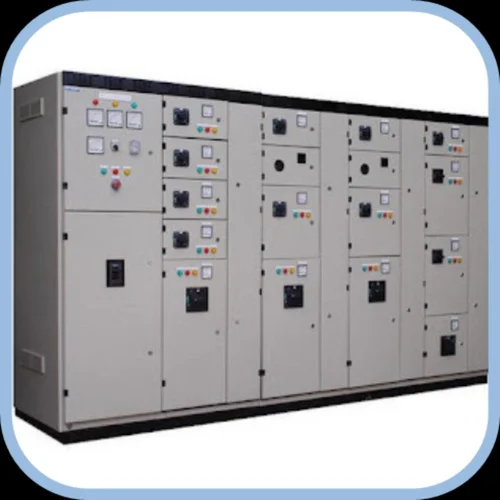
Electrical switchboards are among the most critical assets in any commercial, industrial, or infrastructure project. They distribute power safely throughout a facility while protecting people, equipment, and electrical systems from overloads and faults.
Unfortunately, not every switchboard marketed as "IEC compliant" genuinely satisfies the requirements of IEC 61439, the internationally recognised standard governing low-voltage switchgear and controlgear assemblies. In many cases, panels are assembled using quality components but lack the engineering verification necessary to demonstrate safe performance under real operating conditions.
Related Products

ATS / MTS Kenya
ATS/MTS solutions from Paneltech Systems provide reliable Automatic and Manual Transfer Switches for seamless power transfer in industrial and commercial electrical systems.
View Product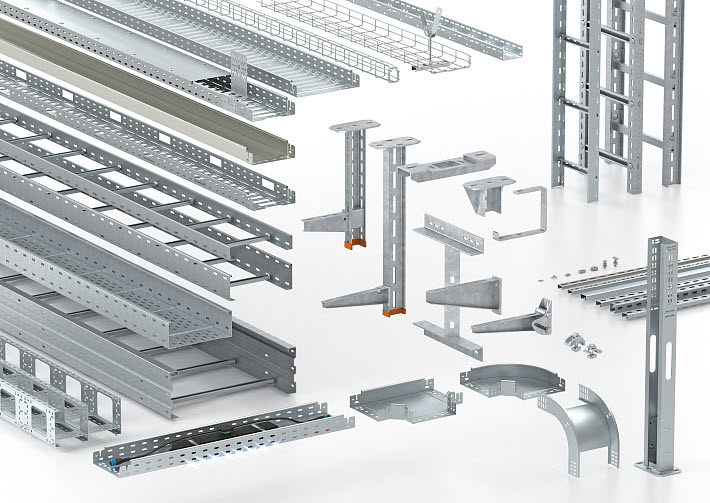
Cable Systems
Paneltech Systems offers comprehensive cable management systems for efficient, secure and organised cable setups across industrial and commercial environments.
View Product
LV Panel
High-quality low voltage panels designed for reliable power distribution and protection in industrial and commercial installations.
View Product
Protection Panels
Robust protection panels safeguarding electrical systems and equipment from faults, overloads and short circuits.
View ProductUnderstanding IEC 61439 compliance Kenya engineers, consultants, contractors, and facility owners require is essential before approving a new switchboard installation. Compliance is not simply about using reputable breakers or copper busbars—it is about ensuring the complete assembly has been designed, verified, manufactured, and tested to recognised international standards.
Kenyan projects must also account for local operating conditions, including:
- KPLC voltage fluctuations
- High ambient temperatures
- Dust in inland industrial regions
- Coastal humidity and corrosion
- Growing electrical loads
- Renewable energy integration
At Paneltech Systems Ltd, we design and manufacture low-voltage switchboards, APFC panels, MCCs, ATS systems, automation panels, and custom electrical assemblies engineered to recognised international standards. Learn more about our engineering expertise at about, explore our products at products, or contact our engineering team through contact.
IEC 61439 is the international standard governing the design, construction, and verification of low-voltage switchgear and controlgear assemblies. It ensures that completed switchboards operate safely and reliably under specified electrical and environmental conditions.
Unlike previous standards that focused largely on individual components, IEC 61439 evaluates the performance of the complete assembled switchboard.
The standard applies to:
- Main LV switchboards
- Distribution boards
- Motor Control Centres (MCCs)
- Power distribution panels
- APFC panels
- Generator synchronisation panels
- Industrial control assemblies
IEC 61439 compliance provides confidence that a switchboard has been engineered to perform safely under normal operating conditions and during electrical faults. Proper compliance reduces operational risks, improves reliability, and supports long-term asset performance.
Benefits include:
- Improved electrical safety
- Reliable fault performance
- Better thermal management
- Easier maintenance
- Longer equipment lifespan
- Greater confidence for consultants and clients
For industrial facilities, compliance also reduces the risk of costly downtime caused by switchboard failure.
IEC 61439 compliance means the complete switchboard assembly has been designed and verified to satisfy specific performance requirements covering electrical safety, temperature rise, short-circuit withstand capability, insulation, mechanical strength, and protection against environmental conditions. Compliance applies to the finished assembly—not simply the individual components installed inside it.
Verification addresses:
- Electrical performance
- Mechanical integrity
- Thermal behaviour
- Protective enclosure performance
- Safe operation
Switchboards designed in accordance with IEC 61439 should be engineered according to project requirements while satisfying recognised verification criteria.
| Specification | Typical Requirement |
|---|---|
| Rated Voltage | Up to 1000V AC |
| Frequency | 50 Hz |
| Rated Current | Project Dependent |
| Busbar Material | Copper / Aluminium |
| Enclosure Rating | IP54 / IP65 |
| Form of Separation | Form 2, Form 3 or Form 4 |
| Mechanical Protection | IK Rated Where Required |
| Internal Segregation | According to Design |
| Compliance | IEC 61439 |
| Installation | Indoor / Outdoor |
Design verification confirms that the switchboard design satisfies the technical requirements of IEC 61439. It demonstrates that the assembly is capable of operating safely under its intended conditions.
Verification covers:
- Strength of materials
- Degree of protection (IP)
- Clearance and creepage distances
- Temperature-rise performance
- Short-circuit withstand capability
- Mechanical operation
- Electrical continuity
- Dielectric properties
Design verification can be demonstrated through testing, calculation, or assessment as permitted by the standard.
Temperature-rise verification confirms that electrical conductors, busbars, and components remain within acceptable operating temperatures during normal service. Excessive heat can reduce equipment lifespan and increase the risk of failure.
Factors influencing temperature include:
- Current loading
- Busbar sizing
- Enclosure ventilation
- Ambient temperature
- Component arrangement
Proper thermal design is especially important in Kenya, where electrical rooms may experience elevated ambient temperatures.
Switchboards must withstand fault conditions without creating unacceptable risks to personnel or equipment. Short-circuit verification demonstrates that the assembly can safely manage fault currents within its design rating.
Verification considers:
- Busbar strength
- Mechanical forces
- Protective devices
- Structural integrity
Correct coordination between breakers and busbars is essential.
Internal separation improves operational safety by reducing the likelihood of accidental contact and limiting the spread of faults between functional units.
Common arrangements include:
Form 2
Provides separation between busbars and functional units.
Form 3
Adds separation between functional units.
Form 4
Provides the highest level of segregation for many low-voltage applications, allowing improved maintenance and operational continuity.
Paneltech designs switchboards to suit project-specific segregation requirements through low-voltage-panels.
IEC 61439 requires the enclosure to provide the specified level of protection against dust and water ingress. Correct IP selection depends on the installation environment.
Typical options include:
IP54
Suitable for:
- Indoor electrical rooms
- Commercial buildings
- Clean industrial environments
IP65
Recommended for:
- Outdoor installations
- Dusty industries
- Harsh environments
Coastal projects in Mombasa may also require corrosion-resistant enclosure finishes.
Every completed switchboard should undergo routine verification before leaving the factory to confirm correct assembly and operation.
Routine verification typically includes:
- Visual inspection
- Mechanical operation
- Wiring verification
- Protective earth continuity
- Insulation resistance testing
- Functional testing
These checks help ensure the manufactured panel matches the approved design.
Many procurement specifications focus only on individual components rather than complete switchboard verification. This can result in assemblies that do not satisfy project performance requirements.
Common mistakes include:
- Specifying only breaker brands
- Ignoring design verification
- Overlooking temperature-rise considerations
- No future expansion allowance
- Incorrect IP rating
- Poor ventilation
- Inadequate documentation
Electrical assemblies installed in Kenya should consider both international standards and local environmental conditions. Proper engineering improves reliability across diverse operating environments.
Design considerations include:
- KPLC power quality variations
- High ambient temperatures
- Dust protection
- Coastal humidity
- Solar integration
- Industrial load growth
Paneltech also provides APFC solutions to improve power quality through #apfc-112.
A professionally engineered switchboard should be supplied with documentation supporting installation, operation, and maintenance.
Typical documentation includes:
- Single-line diagrams
- General arrangement drawings
- Component schedules
- Wiring diagrams
- Test records
- Operation manuals
Comprehensive documentation simplifies commissioning and future maintenance.
Paneltech Systems Ltd designs and manufactures low-voltage switchboards engineered for Kenyan commercial, industrial, and infrastructure projects. Our assemblies are developed using recognised engineering practices and tailored to local operating conditions.
Our specialised services include:
- Low Voltage Switchboards
- Motor Control Centres (MCCs)
- APFC Panels
- ATS / MTS Systems
- PLC Automation Panels
- VFD Solutions
- Solar Distribution Panels
- Engineering Consultation
- Switchboard Manufacturing
- Installation Support
Explore our engineering solutions throughhome-main, access technical resources through knowledge-site, discover residential solutions through paneltechhomes, or visit home1.
IEC 61439 helps ensure low-voltage switchboards are designed and verified for safe and reliable operation.
What is IEC 61439?
It is the international standard governing the design and verification of low-voltage switchgear and controlgear assemblies.
Does using IEC-certified components guarantee compliance?
No. Compliance applies to the complete assembled switchboard, not only the individual components.
What is design verification?
Design verification confirms that the switchboard design satisfies the performance requirements defined by IEC 61439.
Why is temperature-rise verification important?
It demonstrates that the switchboard can operate safely without excessive overheating under its rated conditions.
Can Paneltech design IEC 61439-compliant switchboards?
Yes. Paneltech designs and manufactures custom LV switchboards engineered to recognised international standards and project requirements.
Powering Kenya's Future with Reliable Electrical Solutions
Email: [email protected]
Phone: 0799 531765
Location: Nairobi, Kenya
Website: https://paneltechsystems.co.ke/
Our Specialized Services:
- Low Voltage (LV) Panels & APFC Panels
- VFD Drive Solutions & ATS / MTS Systems
- Solar Power & EV Charging Infrastructure
- Electrical Supplies & Engineering Consultations