How to Choose a Motor Starter: DOL vs Star Delta for Industrial Pumps
How to choose a motor starter for industrial centrifugal pumps. Learn DOL vs star delta selection, starting torque, and utility constraints for reliable pump control in Kenya.

Selecting the correct motor starter for industrial centrifugal pumps is one of the most important decisions in electrical system design. A wrong choice can lead to excessive current draw, mechanical stress on pumps, frequent tripping, or even motor failure.
In Kenya’s industrial environment—where KPLC supply conditions, generator backups, and fluctuating loads are common—motor starter selection directly impacts system reliability, energy efficiency, and equipment lifespan.
Related Products

Starter Panels
Motor starter panels for safe starting and stopping of industrial motors with overload and short circuit protection.
View Product
Motor Control
Reliable motor control panels for industrial and commercial use, providing customised solutions for safe and efficient motor operation.
View Product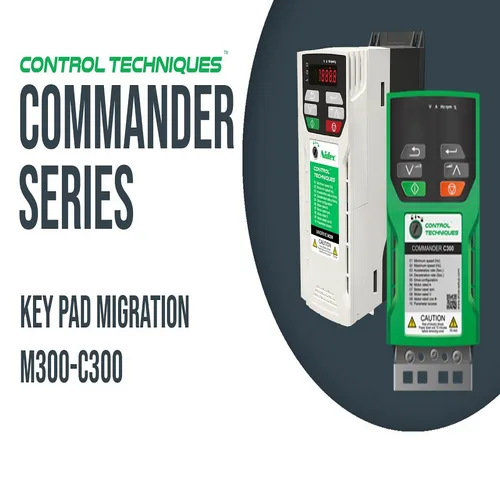
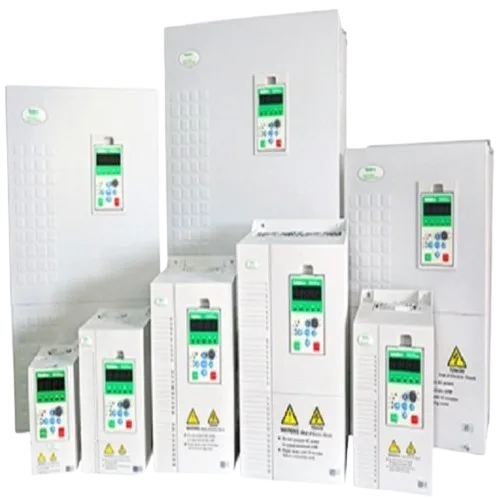
Commander C
Commander C VFD Drives from Paneltech Systems provide advanced motor control for industrial and commercial applications. Enhance efficiency and reliability.
View Product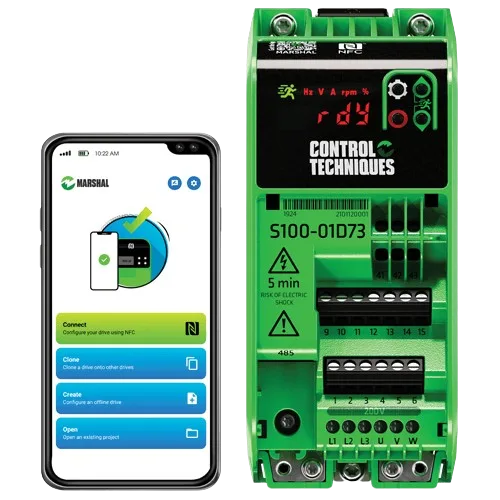
Commander S
Commander S VFD Drives offer energy-efficient motor control for industrial applications. Improve performance and optimise energy usage with reliable Commander S drives.
View ProductThis guide explains how engineers choose between DOL, star-delta, and advanced starting methods based on real industrial requirements.
What Is a Motor Starter?
A motor starter is an electrical device or system used to safely start and stop electric motors while limiting starting current and protecting the motor from electrical faults. It ensures controlled acceleration and safe operation of industrial motors.
Motor starters typically include:
- Contactor
- Overload relay
- Control circuit (manual or automated)
- Protection devices (MCB/MCCB)
Explore industrial control systems:
products
ow-voltage-panels
Why Centrifugal Pumps Need Specialized Starter Selection
Centrifugal pumps require carefully selected motor starters because their torque and load characteristics vary with flow conditions and system pressure. Incorrect starter selection can cause water hammer, overload, or inefficient pump operation.
Key Pump Characteristics:
- Variable load depending on flow
- Low starting torque requirement
- High sensitivity to pressure surges
- Continuous operation in many applications
In Kenya, centrifugal pumps are widely used in:
- Water supply systems
- Irrigation schemes
- Industrial cooling systems
- Borehole pumping stations
Understanding Motor Starting Methods
Motor starting methods determine how electrical current and mechanical torque are controlled during motor startup. Each method affects energy consumption, mechanical stress, and system stability differently.
Common Starting Methods:
- Direct On Line (DOL) starter
- Star-Delta starter
- Soft starter
- VFD (Variable Frequency Drive)
Each method is selected based on motor size, load type, and utility constraints.
Direct On Line (DOL) Starter Selection
A Direct On Line (DOL) starter connects the motor directly to the supply voltage, providing full starting torque but high inrush current. It is suitable for small motors and light-load pump applications.
Advantages:
- Simple and cost-effective
- High starting torque
- Easy installation and maintenance
Limitations:
- High inrush current (6–8x rated current)
- Mechanical stress on pump components
- Not suitable for large motors
Best Use Cases:
- Small centrifugal pumps
- Submersible pumps
- Low-capacity water systems
Star-Delta Starter Selection
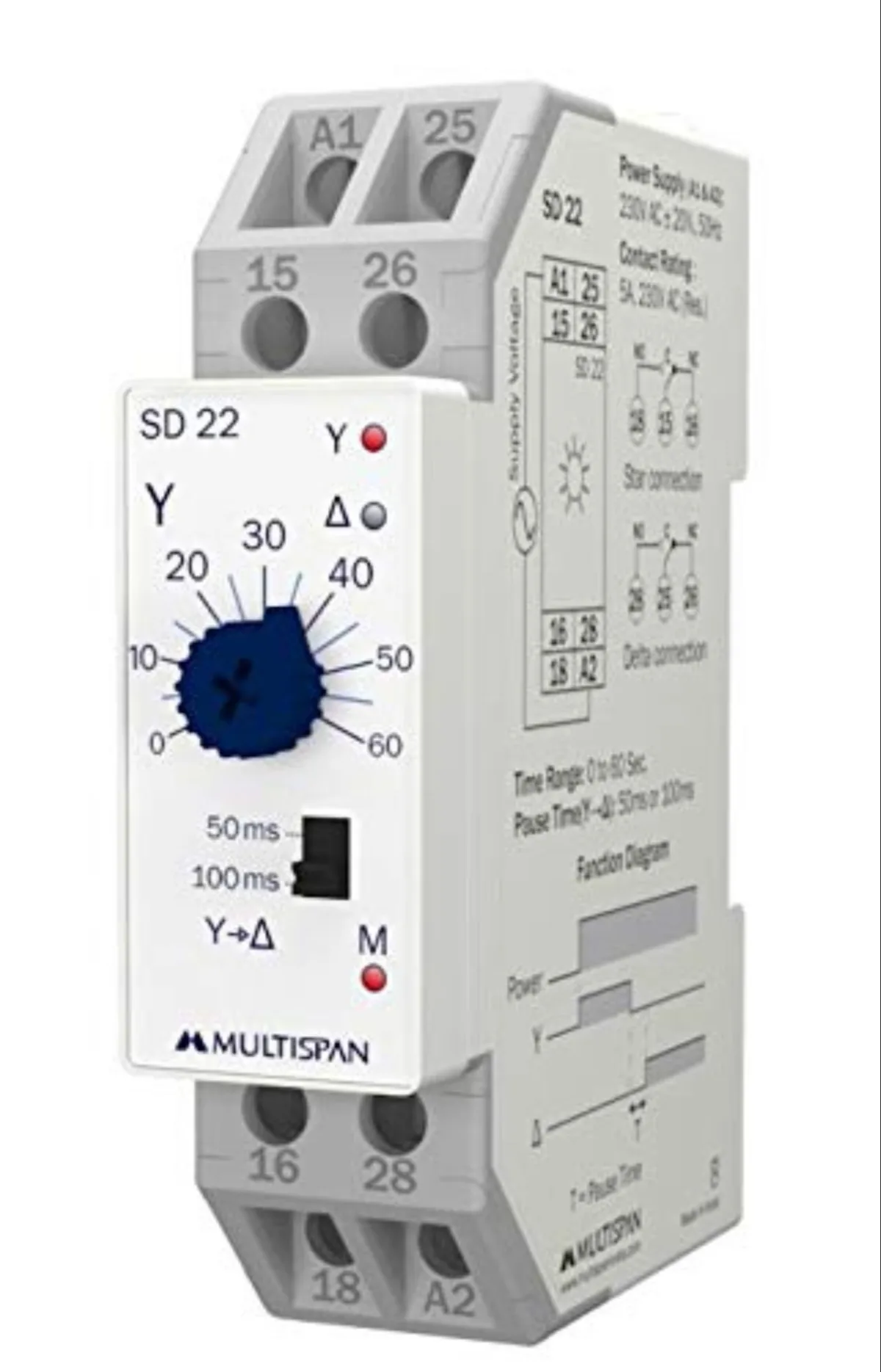
A star-delta starter reduces starting current by initially connecting motor windings in star configuration and switching to delta after acceleration. It is ideal for medium to large centrifugal pumps with moderate starting torque requirements.
How It Works:
- Motor starts in star mode (reduced voltage)
- Current and torque are reduced
- After acceleration, system switches to delta mode
Advantages:
- Reduced starting current (~33% of DOL)
- Lower electrical stress on supply network
- Cost-effective for large motors
Limitations:
- Reduced starting torque
- Not suitable for high-load startup conditions
- Requires correct timing transition
In Kenya, this is commonly used in:
- Industrial water pumping stations
- Agricultural irrigation systems
- Factory cooling water systems
Explore related systems:
#motor-control-panels
ow-voltage-panels
Soft Starters for Pump Applications
Soft starters gradually increase voltage to the motor, providing smooth acceleration and reducing mechanical stress on pumps. They are ideal for applications requiring controlled startup without hydraulic shock.
Benefits:
- Eliminates water hammer effect
- Reduces mechanical wear
- Smooth acceleration and deceleration
- Adjustable ramp-up time
Limitations:
- Higher cost than DOL/star-delta
- No speed control during operation
Soft starters are widely used in modern Kenyan industrial pumping systems where pipe integrity and system stability are critical.
VFD-Based Pump Control (Advanced Option)
Variable Frequency Drives (VFDs) control motor speed by adjusting frequency and voltage, offering precise flow control and maximum energy efficiency. They are the most advanced and efficient solution for centrifugal pump control.
Advantages:
- Full speed control
- Energy savings up to 40%
- Reduced mechanical stress
- Built-in motor protection
Limitations:
- Higher initial cost
- Requires proper harmonic mitigation
- Needs skilled installation
Explore VFD systems:
vfd-drives
#epm-14-m1
Key Factors in Choosing a Motor Starter
Motor starter selection depends on motor size, load characteristics, utility constraints, and operational requirements. A proper engineering assessment ensures optimal performance and system reliability.
1. Motor Power Rating
- Small motors → DOL
- Medium motors → Star-Delta
- Large/critical systems → Soft starter or VFD
2. Load Type
- Light load → DOL
- Variable load → Star-Delta or VFD
- Sensitive hydraulic systems → Soft starter or VFD
3. Starting Torque Requirement
Centrifugal pumps generally require low starting torque, making star-delta or soft starters ideal.
4. Utility Supply Constraints (Kenya Context)
- KPLC voltage dips
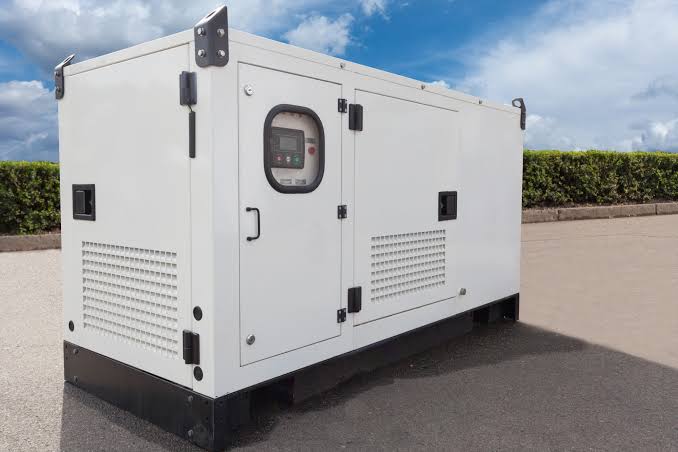
- Generator backup compatibility
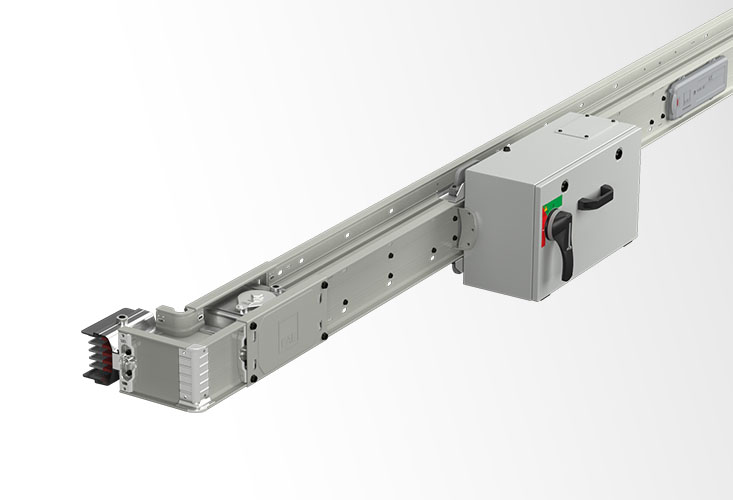
- Transformer loading limits
System Specifications for Pump Starter Panels
Pump starter panels are designed with protective devices and control components that ensure safe motor starting, operation, and shutdown. They must comply with IEC standards and local utility requirements in Kenya.
System Specifications Table
| Parameter | Specification |
|---|---|
| Rated Voltage | 415V AC (3-phase) |
| Control Voltage | 24V DC / 230V AC |
| Frequency | 50Hz |
| Starting Methods | DOL / Star-Delta / Soft Starter / VFD |
| Protection | Overload, phase loss, under-voltage |
| Enclosure Rating | IP54–IP65 |
| Standards | IEC 60947, IEC 61439 |
| Mounting Type | Wall-mounted / Floor-standing |
| Application | Centrifugal pumps / irrigation / industrial water systems |
Common Mistakes in Starter Selection
Incorrect motor starter selection often leads to premature equipment failure, inefficient operation, and unnecessary maintenance costs. Proper engineering evaluation prevents these issues.
Common Errors:
- Using DOL for oversized motors
- Incorrect star-delta timing settings
- Ignoring pump hydraulic characteristics
- Not considering supply limitations
These mistakes are common in poorly designed pump systems across small industrial facilities in Kenya.
Kenya-Specific Engineering Considerations
Motor starter selection in Kenya must account for grid instability, generator backup systems, and environmental conditions. These factors significantly influence performance and reliability.
Key Considerations:
- Voltage fluctuations from KPLC grid
- Frequent generator switching in rural setups
- Dust and humidity affecting panel reliability
- Overloaded distribution transformers
Proper design ensures stable pump operation even under unstable supply conditions.
Future Trends in Pump Starter Technology
The future of motor starters is moving toward smart, IoT-enabled systems with remote monitoring and predictive maintenance capabilities. These systems improve efficiency and reduce downtime in industrial pump operations.
Emerging Technologies:
- IoT-enabled soft starters
- Smart VFD pump controllers
- PLC-integrated pump sequencing
- Cloud-based monitoring dashboards
Kenya’s industrial sector is gradually adopting these advanced systems for improved efficiency.
Conclusion
Choosing the correct motor starter for centrifugal pumps is a critical engineering decision that affects efficiency, reliability, and operational cost. DOL, star-delta, soft starters, and VFDs each serve specific roles depending on motor size, load characteristics, and supply conditions.
In Kenya’s industrial environment, where power stability and operational continuity are key challenges, proper starter selection ensures long-term system performance and reduced downtime.
Contact Paneltech Systems Ltd
Powering Kenya's Future with Reliable Electrical Solutions
Email: [email protected]
Phone: 0799 531765
Location: Nairobi, Kenya
Website: https://paneltechsystems.co.ke/
Our Specialized Services:
Low Voltage (LV) Panels & APFC Panels
VFD Drive Solutions & ATS / MTS Systems
Solar Power & EV Charging Infrastructure
Electrical Supplies & Engineering Consultations