Flood-Damaged Electrical Panel Kenya: 2026 Engineering Guide and Specs | Paneltech Systems Kenya
A flood-damaged electrical panel Kenya facilities experience after heavy rains requires careful assessment. Learn when to repair, refurbish, or replace electrical panels after water exposure and get expert guidance from Paneltech Systems.
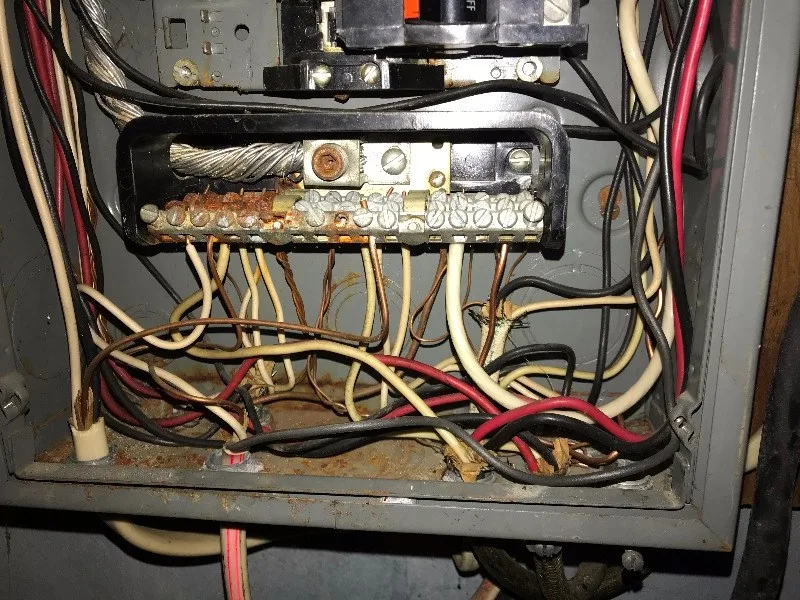
Heavy rains and flooding can create serious risks for electrical infrastructure in Kenya. Electrical panels installed in basements, outdoor compounds, pump rooms, industrial facilities, commercial buildings, and construction sites can be exposed to water ingress during severe weather events.
A flood-damaged electrical panel Kenya businesses discover after flooding should never be returned to service without proper inspection and testing. Water exposure can affect insulation, protection devices, busbars, wiring, terminals, and control components even when visible damage appears minimal.
Related Products

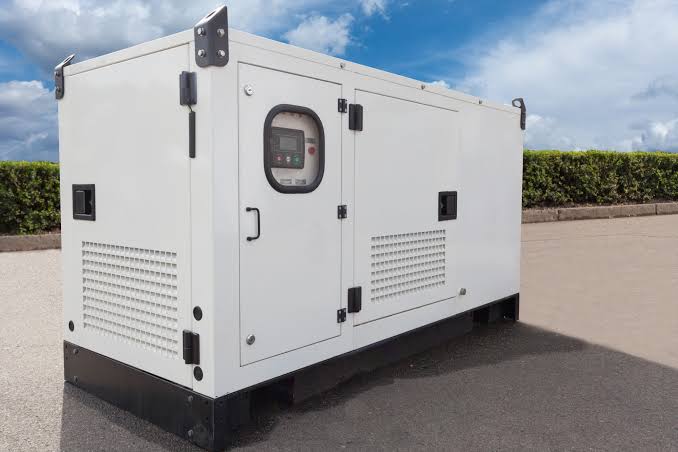
ATS / MTS Kenya
ATS/MTS solutions from Paneltech Systems provide reliable Automatic and Manual Transfer Switches for seamless power transfer in industrial and commercial electrical systems.
View Product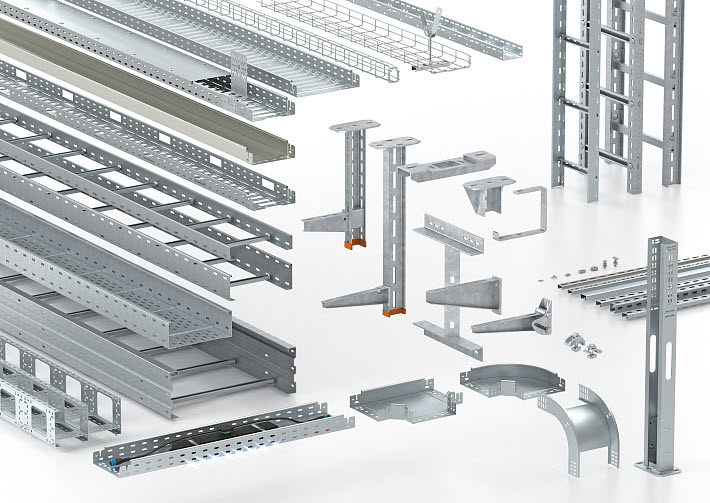
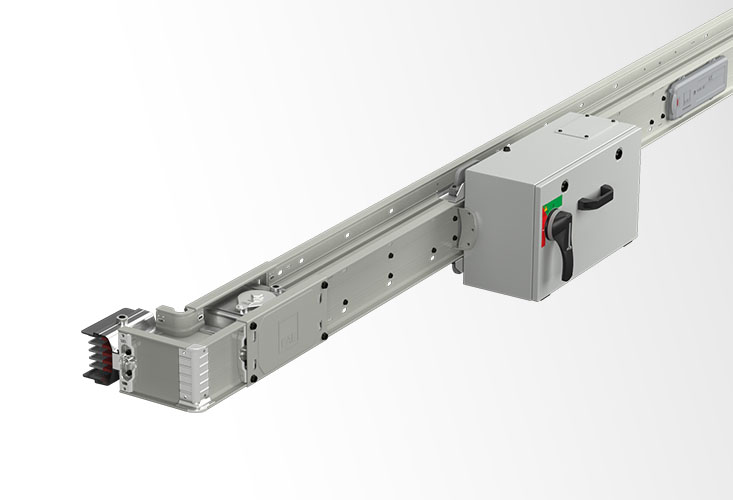
Cable Systems
Paneltech Systems offers comprehensive cable management systems for efficient, secure and organised cable setups across industrial and commercial environments.
View Product
LV Panel
High-quality low voltage panels designed for reliable power distribution and protection in industrial and commercial installations.
View Product
Protection Panels
Robust protection panels safeguarding electrical systems and equipment from faults, overloads and short circuits.
View ProductThe decision to repair, refurbish, or replace a flood-affected electrical panel depends on:
- Depth and duration of water exposure
- Type of contamination in floodwater
- Condition of internal components
- Age of equipment
- Availability of replacement parts
- Safety and compliance requirements
Floodwater may contain mud, chemicals, salts, and contaminants that accelerate corrosion and reduce electrical reliability.
For critical facilities, restoring power quickly is important, but safety must come first. A damaged panel that appears functional may fail later due to hidden insulation breakdown, corrosion, or weakened components.
At Paneltech Systems Ltd, we design, manufacture, inspect, and replace LV switchboards, control panels, APFC panels, and custom electrical systems for Kenyan industrial and commercial facilities. Learn more about our engineering capabilities at about, explore our electrical solutions at products, or contact our team through contact.
A flood-damaged electrical panel should only be reused after detailed inspection, testing, and evaluation by qualified electrical engineers. Panels exposed to contaminated floodwater often require replacement of affected components or complete replacement.
Water damage can affect:
- Circuit breakers
- Contactors
- Relays
- Busbars
- Cable insulation
- Terminal blocks
- Control electronics
- Metering equipment
A visual inspection alone is not enough because internal damage may not be immediately visible.
Water inside an electrical panel can cause corrosion, insulation failure, short circuits, and unreliable operation. Damage may continue developing even after the panel appears dry.
Flood exposure can lead to:
Corrosion
Metal components may deteriorate due to:
- Moisture
- Salt deposits
- Chemicals
- Contaminants
Insulation Damage
Water can reduce insulation resistance, increasing fault risks.
Component Failure
Sensitive equipment such as:
- PLC modules
- Protection relays
- Electronic controllers
may fail after exposure.
Minor water exposure to an isolated enclosure may allow refurbishment, but panels submerged in contaminated floodwater often require replacement. The decision should be based on testing results, equipment condition, and safety requirements.
A professional assessment considers:
- Water level reached
- Exposure duration
- Component condition
- Electrical test results
- Equipment criticality
A structured inspection determines whether a damaged panel can safely return to service. Engineers should assess mechanical condition, electrical integrity, and component reliability before energising equipment.
The assessment process includes:
1. Visual Inspection
Engineers check:
- Corrosion
- Water marks
- Contamination
- Damaged components
- Enclosure condition
2. Cleaning and Drying Assessment
Evaluation includes:
- Moisture removal
- Contamination cleaning
- Component condition
3. Electrical Testing
Tests may include:
- Insulation resistance testing
- Continuity testing
- Protection verification
- Earth continuity testing
4. Component Evaluation
Damaged items may require replacement.
Flood recovery decisions depend on the condition of individual electrical components and the level of water exposure.
| Component | Flood Damage Risk | Recommended Action |
|---|---|---|
| Circuit Breakers | Internal corrosion and insulation damage | Inspect or replace |
| Contactors | Contact corrosion | Replace if affected |
| Relays | Electronic failure risk | Test or replace |
| Busbars | Corrosion and contamination | Clean/test/replace |
| Cable Insulation | Reduced insulation resistance | Test thoroughly |
| PLC Components | High sensitivity | Replace if submerged |
| Enclosure | Rust and sealing damage | Repair or replace |
| Terminals | Corrosion risk | Replace affected parts |
Floodwater quality affects the level of electrical damage. Clean rainwater exposure is different from contaminated floodwater containing mud, sewage, chemicals, or salts.
Higher-risk exposure includes:
- Industrial floodwater
- Sewage-contaminated water
- Coastal flooding
- Chemical exposure
Contaminants can remain on components even after drying.
Replacement is often the safest and most economical option when critical components have been submerged, corrosion has started, or the panel no longer meets modern standards.
Replacement is recommended when:
- Breakers were submerged
- Electronic controls were damaged
- Insulation testing fails
- Components are obsolete
- Corrosion is extensive
- The enclosure is compromised
A new panel provides:
- Improved reliability
- Updated protection
- Better energy management
- Compliance with current standards
Paneltech designs custom LV panels through low-voltage-panels.
Some electrical panels can be refurbished after limited water exposure if damaged components are replaced and testing confirms safe operation.
Refurbishment may include:
- Component replacement
- Cleaning
- Corrosion treatment
- Rewiring
- Testing
- Recommissioning
Suitable cases may include:
- Minor moisture exposure
- No contamination
- Limited component damage
Testing is essential before restoring power after flood exposure. Electrical measurements identify hidden damage that may not be visible during inspection.
Important tests include:
Insulation Resistance Test
Checks insulation condition between:
- Conductors
- Earth
- Components
Continuity Testing
Confirms:
- Correct connections
- Earth paths
Functional Testing
Verifies:
- Breaker operation
- Protection functions
- Control logic
Proper installation and environmental protection reduce the risk of future flood-related electrical failures. Flood prevention should be considered during electrical system design.
Recommended measures include:
- Elevated panel mounting
- Waterproof cable entries
- Proper drainage
- Suitable enclosure ratings
- Flood detection systems
For outdoor and harsh environments, appropriate IP-rated enclosures improve protection.
Electrical panel protection ratings should match installation conditions. Higher IP ratings provide better protection against water and dust ingress.
IP54 Panels
Suitable for:
- Controlled indoor environments
- Electrical rooms
IP65 Panels
Recommended for:
- Outdoor installations
- Dusty areas
- Areas exposed to water spray
Environmental conditions should always be considered during panel selection.
Flood-related electrical risks vary depending on location, climate, and installation environment across Kenya.
Nairobi
Common issues:
- Stormwater flooding
- Basement installations
- Drainage challenges
Coastal Kenya
Additional concerns:
- Humidity
- Salt exposure
- Corrosion
Western and Rural Areas
Potential risks:
- Heavy seasonal rains
- Flood-prone sites
- Remote maintenance challenges
Flood-affected electrical systems require increased monitoring after restoration. Early detection prevents repeat failures and improves reliability.
Recommended checks include:
- Thermal inspection
- Connection tightening
- Corrosion monitoring
- Insulation testing
- Protection testing
Technical resources are available through knowledge-site.
Quickly restoring power without proper assessment can create long-term safety and reliability problems. Flood recovery requires a controlled engineering approach.
Common mistakes include:
- Switching on a wet panel
- Ignoring hidden corrosion
- Replacing only visible damaged parts
- Skipping insulation testing
- Using incompatible replacement components
- Delaying professional inspection
Flood-damaged electrical panels must meet safety requirements before returning to operation. Electrical restoration should follow recognised installation and equipment standards.
Relevant standards include:
- IEC 61439 – Low Voltage Switchgear Assemblies
- IEC 60947 – Switchgear and Controlgear
- IEC 60364 – Electrical Installations
- BS EN electrical standards
- EPRA requirements applicable in Kenya
Paneltech Systems Ltd helps Kenyan businesses recover, upgrade, and replace damaged electrical panels with engineered solutions designed for safety and reliability.
Our specialised services include:
- Electrical Panel Inspection
- LV Switchboard Replacement
- Control Panel Manufacturing
- APFC Panels
- MCC Panels
- ATS Systems
- Electrical Upgrades
- Preventive Maintenance
- Engineering Consultation
- Panel Testing and Commissioning
Explore our engineering solutions through home-main, access technical resources through knowledge-site, discover residential solutions at paneltechhomes, or visit home1.
Flood-damaged electrical panels require careful evaluation before repair or replacement decisions are made.
Can a flooded electrical panel be repaired?
Some panels can be refurbished after limited exposure, but submerged or contaminated panels often require replacement.
Why is drying a flooded panel not enough?
Drying removes moisture but does not remove corrosion, contamination, or hidden insulation damage.
How do I know if my panel needs replacement?
Failed electrical tests, extensive corrosion, damaged components, and safety concerns indicate replacement may be necessary.
Can flood damage affect breakers?
Yes. Breakers can suffer internal corrosion and insulation damage after water exposure.
Can Paneltech inspect flood-damaged panels?
Yes. Paneltech provides electrical assessment, replacement design, and commissioning support for damaged electrical systems.
Powering Kenya's Future with Reliable Electrical Solutions
Email: [email protected]
Phone: 0799 531765
Location: Nairobi, Kenya
Website: https://paneltechsystems.co.ke/
Our Specialized Services:
- Low Voltage (LV) Panels & APFC Panels
- VFD Drive Solutions & ATS / MTS Systems
- Solar Power & EV Charging Infrastructure
- Electrical Supplies & Engineering Consultations