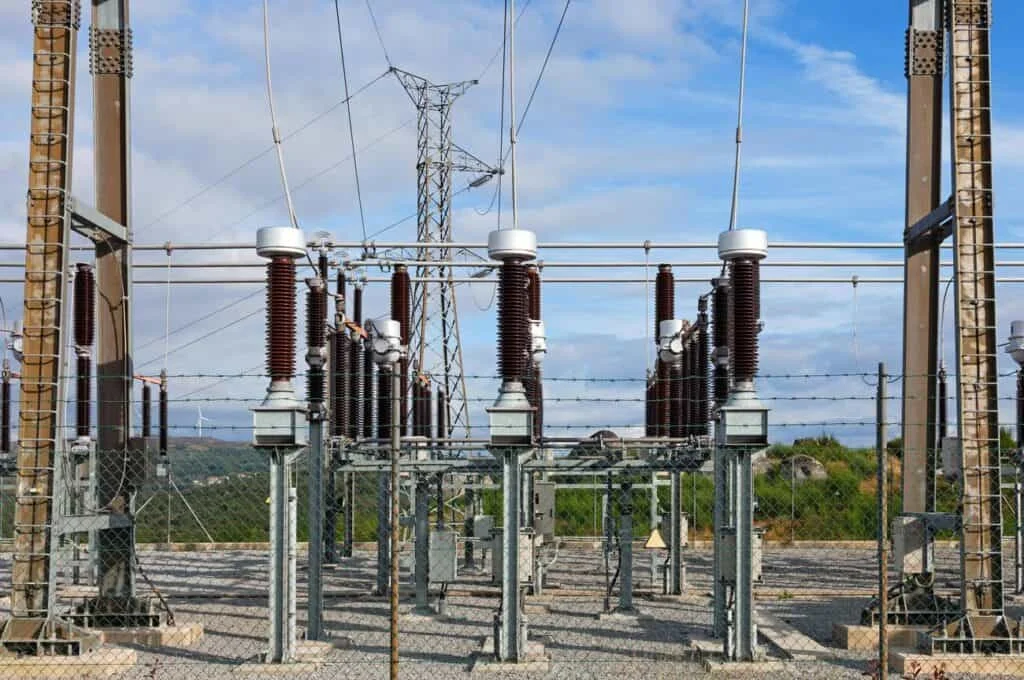
EPRA Electrical Installation Regulations Kenya: 2026 Engineering Guide and Specs | Paneltech Systems Kenya
Looking for EPRA electrical installation regulations Kenya projects must comply with? Learn how licensed contractors, compliant switchboards, testing, and certification help ensure safe electrical installations. Get engineered panel solutions from Paneltech Systems Ltd.
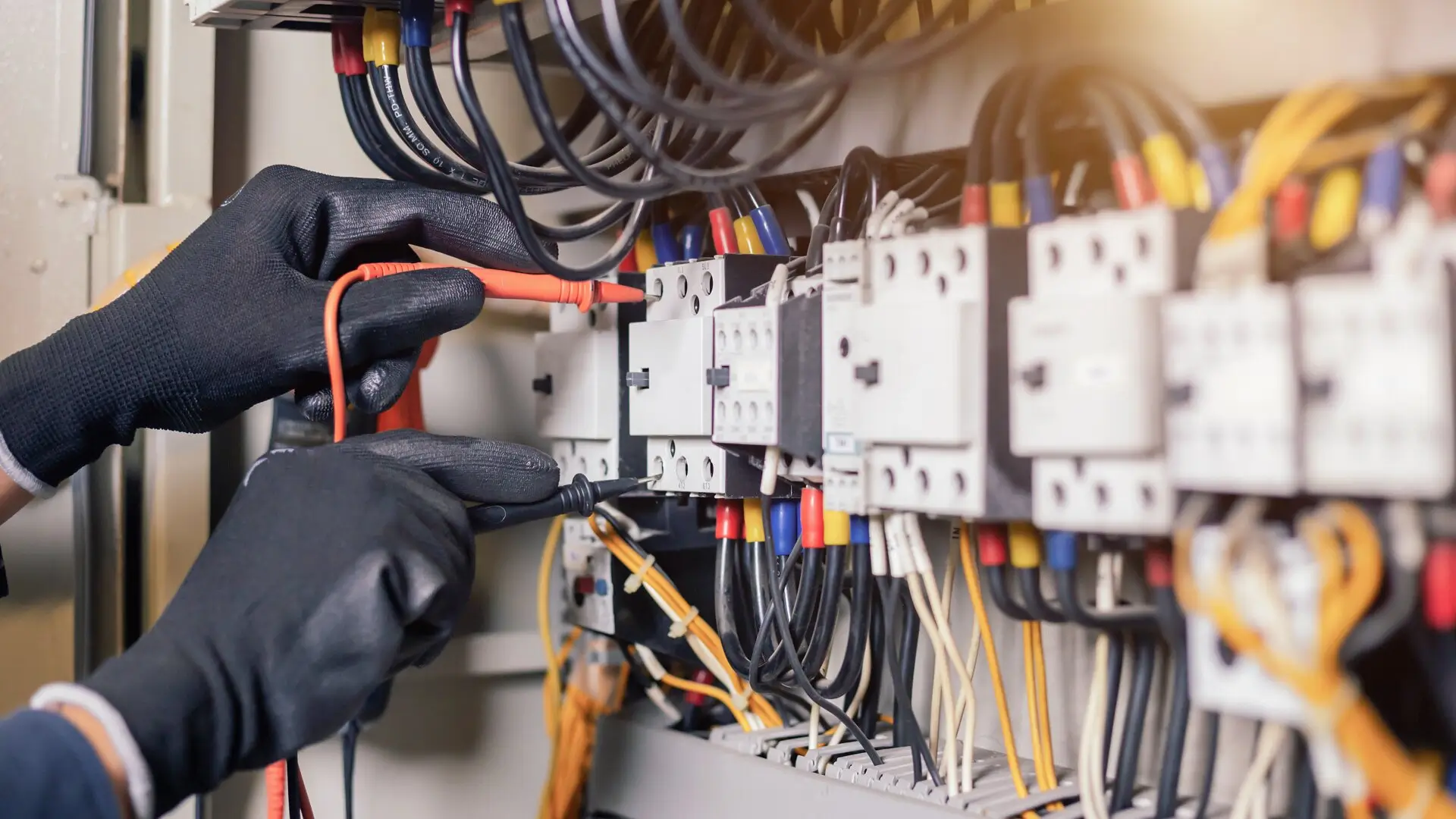
Electrical installations are the backbone of every industrial plant, commercial building, residential development, and infrastructure project. Whether installing a new low-voltage (LV) switchboard, upgrading a Motor Control Centre (MCC), or integrating a solar power system, compliance with Kenya's electrical regulatory framework is essential for safety, reliability, and long-term performance.
The EPRA electrical installation regulations Kenya project owners, consultants, contractors, and facility managers should understand are designed to promote safe electrical practices throughout the design, installation, testing, commissioning, and maintenance lifecycle. They work alongside recognised international standards such as IEC 61439, IEC 60364, and IEC 60947 to establish a framework for compliant electrical systems.
Related Products

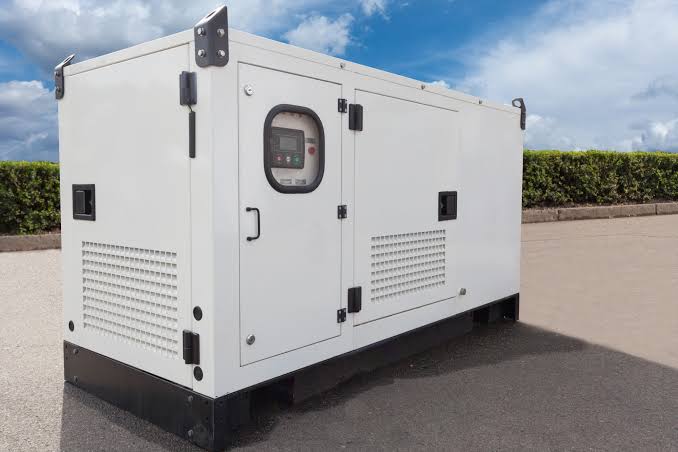
ATS / MTS Kenya
ATS/MTS solutions from Paneltech Systems provide reliable Automatic and Manual Transfer Switches for seamless power transfer in industrial and commercial electrical systems.
View Product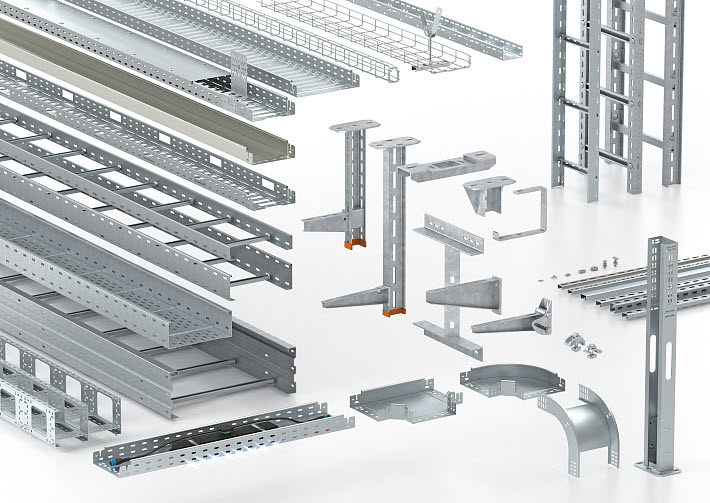
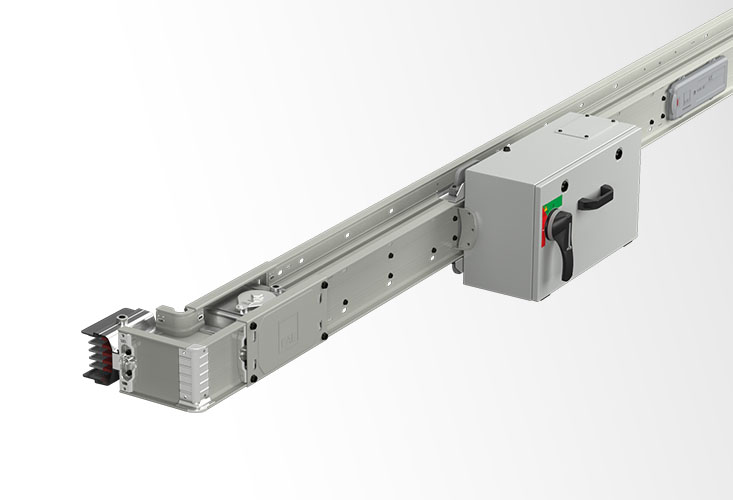
Cable Systems
Paneltech Systems offers comprehensive cable management systems for efficient, secure and organised cable setups across industrial and commercial environments.
View Product
LV Panel
High-quality low voltage panels designed for reliable power distribution and protection in industrial and commercial installations.
View Product
Motor Control
Reliable motor control panels for industrial and commercial use, providing customised solutions for safe and efficient motor operation.
View ProductFor panel buyers, compliance involves far more than selecting quality electrical components. It also includes ensuring that installations are undertaken by qualified personnel, equipment is appropriately tested, and documentation is available to support commissioning and future maintenance.
Kenya's operating environment introduces additional engineering considerations, including:
- KPLC voltage fluctuations
- High ambient temperatures
- Coastal humidity and corrosion
- Dust exposure in inland industrial areas
- Expansion of solar and battery storage systems
- Growing industrial automation requirements
At Paneltech Systems Ltd, we design and manufacture low-voltage switchboards, APFC panels, MCCs, ATS systems, PLC control panels, and custom electrical assemblies engineered for Kenyan operating conditions. Learn more about our engineering expertise at about, explore our product range at products, or contact our engineering team through contact.
The EPRA electrical installation regulations Kenya professionals work under establish requirements for safe electrical installation practices, competent workmanship, inspection, testing, and compliance. They support safe operation while helping protect people, equipment, and property.
The regulations apply across many sectors, including:
- Industrial facilities
- Commercial buildings
- Residential developments
- Hospitals
- Educational institutions
- Infrastructure projects
- Renewable energy installations
Electrical installations should also comply with recognised engineering standards relevant to the equipment being installed.
Purchasing a high-quality switchboard is only one part of a compliant installation. Proper installation, testing, commissioning, and documentation are equally important to ensure safety and long-term reliability.
A compliant project helps:
- Improve electrical safety
- Reduce operational risks
- Simplify inspections
- Support reliable system performance
- Protect valuable equipment
Compliance also contributes to easier future maintenance and system upgrades.
Panel buyers should verify that electrical panels are designed to recognised standards, correctly rated for the intended application, properly tested before delivery, and installed and commissioned by qualified professionals. Supporting documentation should be available for inspection, operation, and maintenance.
Important considerations include:
- Correct panel ratings
- Engineering documentation
- Factory testing
- Installation quality
- Commissioning records
- Future maintenance support
Switchboards should be specified according to project requirements while supporting recognised engineering and safety practices.
| Specification | Typical Requirement |
|---|---|
| Rated Voltage | Up to 1000V AC |
| Frequency | 50 Hz |
| Enclosure Rating | IP54 / IP65 |
| Busbar Material | Copper / Aluminium |
| Protection Devices | MCCB, MCB, ACB |
| Mounting Type | Floor Standing / Wall Mounted |
| Internal Segregation | Form 2, Form 3, Form 4 |
| Compliance Standards | IEC 61439, IEC 60947 |
| Earthing | Protective Earth System |
| Installation | Indoor / Outdoor |
Electrical installations should be carried out by appropriately qualified and licensed professionals. Competent installation helps ensure equipment performs as intended and reduces the likelihood of unsafe conditions.
Qualified installation supports:
- Correct cable termination
- Proper protective device coordination
- Safe earthing
- Accurate equipment configuration
- Reliable commissioning
Even a well-manufactured switchboard can experience problems if installation quality is poor.
Testing confirms that an electrical installation is safe before it is connected to the power supply. Commissioning should include appropriate inspections and electrical verification.
Typical testing includes:
- Insulation resistance
- Continuity testing
- Earth continuity
- Functional testing
- Protection verification
- Phase sequence checks
Testing results should be documented for future reference.
Electrical panels should undergo factory testing before delivery to verify correct assembly and operation. Factory verification helps identify issues before installation begins.
Typical factory tests include:
- Visual inspection
- Wiring verification
- Mechanical operation
- Functional testing
- Insulation testing
- Earth continuity verification
Paneltech designs and manufactures custom LV switchboards through low-voltage-panels.
Complete documentation supports installation, operation, maintenance, and future modifications throughout the life of the electrical system.
Typical documentation includes:
- Single-line diagrams
- Wiring diagrams
- Component schedules
- Test reports
- Operation manuals
- Maintenance guidance
Well-organised documentation reduces troubleshooting time during future maintenance.
Electrical enclosures should provide appropriate protection against dust and moisture according to the installation environment.
IP54
Suitable for:
- Indoor electrical rooms
- Offices
- Commercial buildings
IP65
Recommended for:
- Outdoor installations
- Dusty industrial sites
- Water-exposed environments
Coastal installations may require additional corrosion-resistant finishes due to humidity and salt exposure.
Protective devices should be coordinated so that faults are isolated efficiently while minimising disruption to the remainder of the electrical installation.
Coordination involves:
- Breaker selection
- Short-circuit ratings
- Cable protection
- Selectivity
- Discrimination studies
Proper coordination improves operational continuity.
Effective earthing helps protect people and equipment during electrical faults by providing a safe path for fault currents.
A properly designed earthing system supports:
- Personnel safety
- Equipment protection
- Reliable protective device operation
- Improved electrical stability
Earthing should always be verified during commissioning.
Environmental conditions influence electrical panel design, enclosure selection, and maintenance planning across Kenya.
Nairobi
Considerations include:
- Commercial developments
- Mixed industrial loads
- High-rise buildings
Coastal Kenya
Considerations include:
- Corrosion resistance
- High humidity
- Salt-laden air
Rift Valley and Industrial Areas
Considerations include:
- Dust protection
- Temperature management
- Heavy industrial loading
Selecting appropriate enclosure ratings improves long-term reliability.
Many electrical projects experience avoidable problems because procurement decisions focus only on initial cost rather than long-term compliance and reliability.
Common mistakes include:
- Buying undersized panels
- Ignoring environmental conditions
- No future expansion allowance
- Inadequate documentation
- Poor installation practices
- Skipping commissioning tests
EPRA regulations work alongside recognised international standards that govern switchboard design, installation, and operation.
Important standards include:
- IEC 61439 – Low Voltage Switchgear Assemblies
- IEC 60364 – Electrical Installations
- IEC 60947 – Switchgear and Controlgear
- IEC 60204 – Electrical Equipment of Machines
- Relevant EPRA electrical requirements applicable in Kenya
Paneltech Systems Ltd provides engineered electrical panels designed for reliable performance and professional installation support across industrial, commercial, and infrastructure projects in Kenya.
Our specialised services include:
- Low Voltage Switchboards
- Motor Control Centres (MCCs)
- APFC Panels
- ATS / MTS Systems
- PLC Automation Panels
- VFD Solutions
- Solar Distribution Panels
- Engineering Consultation
- Panel Manufacturing
- Commissioning Support
Explore our engineering solutions through home-main, access technical resources through knowledge-site, discover residential solutions through paneltechhomes, or visit home1.
Understanding electrical regulations helps project teams specify safer and more reliable electrical systems.
Why are EPRA electrical installation regulations important?
They establish requirements that promote safe electrical installation practices, competent workmanship, and reliable system operation.
Should electrical panels be tested before installation?
Yes. Factory testing and site commissioning help verify that panels operate correctly before energisation.
Why is documentation important?
Documentation supports installation, maintenance, troubleshooting, and future system upgrades.
Does compliance only apply to new installations?
No. Existing installations should also be maintained and upgraded using recognised engineering practices where applicable.
Can Paneltech assist with compliant panel design?
Yes. Paneltech designs and manufactures custom electrical panels engineered for Kenyan projects and recognised international standards.
Powering Kenya's Future with Reliable Electrical Solutions
Email: [email protected]
Phone: 0799 531765
Location: Nairobi, Kenya
Website: https://paneltechsystems.co.ke/
Our Specialized Services:
- Low Voltage (LV) Panels & APFC Panels
- VFD Drive Solutions & ATS / MTS Systems
- Solar Power & EV Charging Infrastructure
- Electrical Supplies & Engineering Consultations