Energy Savings from APFC Panels: Reduce Demand & Improve Efficiency in Kenya | Paneltech Systems
Learn how automatic power factor correction (APFC) panels reduce I²R copper losses, lower system demand current, and free up transformer capacity for better energy efficiency and ROI.

Automatic Power Factor Correction (APFC) panels are often misunderstood as purely compliance or penalty-avoidance systems. In reality, they are one of the most effective industrial energy optimization tools available for reducing electrical losses, improving transformer utilization, and lowering operational costs.
In Kenyan industrial environments—where manufacturing loads, pumping systems, HVAC installations, and motor-driven machinery dominate energy consumption—APFC systems directly influence both energy efficiency and infrastructure capacity.
How APFC Panels Deliver Direct Energy Savings
Reduction of Reactive Power and System Losses
APFC panels reduce reactive power demand by maintaining an optimal power factor, which lowers total current flowing in the system. This directly reduces I²R copper losses in cables, transformers, and switchgear, resulting in measurable energy savings.
When power factor is low, electrical systems must draw higher current to deliver the same usable power. This increases heat losses across conductors and reduces overall system efficiency.
In Kenyan industrial facilities with long cable runs or heavily motorized loads, these losses can become a significant hidden cost.
Lower Current Flow and Reduced Thermal Stress
By improving power factor, APFC panels reduce the total current required for the same load demand. This reduces thermal stress on electrical infrastructure and improves system efficiency across distribution networks.
Lower current results in:
- Reduced cable heating
- Lower transformer losses
- Improved switchgear efficiency
- Extended equipment lifespan
This is especially important in facilities operating under high ambient temperatures such as Mombasa and industrial zones in Nairobi.
How APFC Panels Reduce Apparent Power (kVA Demand)
Understanding kW vs kVA in Industrial Systems
APFC panels reduce apparent power (kVA) by improving the ratio between active power (kW) and reactive power (kVAR). This allows more usable load capacity within the same transformer or generator rating.
When power factor is low, more kVA is required to deliver the same kW output, effectively wasting installed capacity.
Improving power factor:
- Frees up transformer capacity
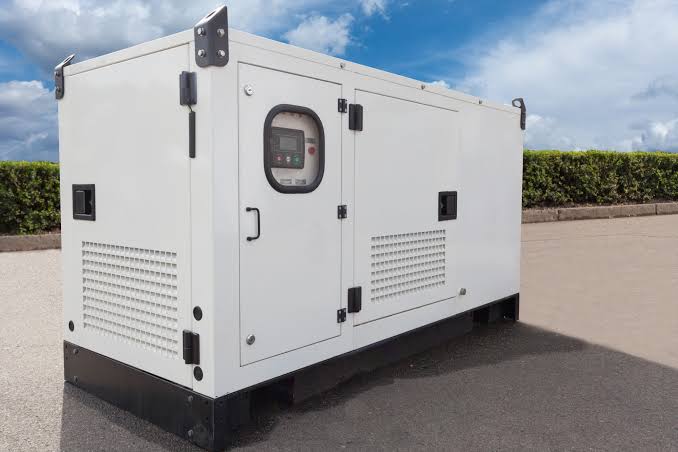
- Reduces generator loading
- Improves electrical system efficiency
- Delays infrastructure upgrades
Transformer Capacity Optimization in Kenyan Facilities
Many Kenyan industries operate near transformer limits due to poor power factor rather than actual production demand. APFC correction restores usable capacity without physical upgrades.
This is particularly beneficial in:
- Manufacturing plants
- Cold storage facilities
- Water treatment stations
- Commercial buildings with HVAC systems
Return on Investment (ROI) of Power Factor Correction
How APFC Panels Pay for Themselves
The return on investment for APFC panels comes from reduced electricity bills, avoided utility penalties, and improved system capacity utilization. Most industrial facilities recover APFC installation costs within months to a few years depending on load profile.
Savings come from:
- Reduced KVA demand charges
- Lower peak load penalties
- Decreased energy losses
- Improved equipment lifespan
Hidden Financial Benefits in Kenyan Power Tariffs
In Kenya, industrial tariffs often include penalties or higher charges for poor power factor. Facilities operating below optimal thresholds may pay significantly more per unit of useful energy.
APFC systems correct this imbalance, resulting in:
- Lower monthly bills
- Reduced demand charges
- Improved tariff efficiency
- Better energy budgeting accuracy
System Specifications: APFC Energy Efficiency Configuration
| Parameter | Specification |
|---|---|
| System Type | Automatic Power Factor Correction (APFC) Panel |
| Rated Voltage | 415V AC, 3-Phase, 50Hz |
| Power Factor Target | 0.95 – 0.99 |
| Efficiency Gain | 10% – 30% system loss reduction |
| Capacitor Type | Heavy-duty MPP / Detuned Capacitors |
| Switching Method | Contactor or Thyristor switching |
| Control System | Microcontroller-based APFC relay |
| Protection | MCB/MCCB per capacitor stage |
| Enclosure Rating | IP54 / IP65 |
| Standards Compliance | IEC 61439, IEC 60831, EPRA guidelines |
| Operating Temperature | -5°C to 55°C |
Energy Loss Reduction in Electrical Distribution Systems
I²R Losses in Industrial Power Networks
APFC panels reduce I²R losses by lowering current flow in conductors, which decreases resistive heating losses in cables and transformers. This leads to direct energy savings across the entire distribution system.
Since losses increase with the square of current, even small improvements in power factor can produce significant efficiency gains.
Impact on Long Cable Runs and Industrial Layouts
Kenyan industrial facilities often have extended cable networks between transformers, distribution boards, and production units. These long runs amplify losses when current is high.
APFC correction improves efficiency by:
- Reducing voltage drop
- Stabilizing system performance
- Minimizing heat losses
- Improving load distribution
Improving Equipment Lifespan Through Energy Efficiency
Reduced Electrical and Thermal Stress
Lower system current reduces both electrical and thermal stress on equipment, extending the lifespan of transformers, motors, and switchgear. This improves overall return on investment beyond direct energy savings.
Benefits include:
- Reduced insulation degradation
- Lower maintenance frequency
- Improved motor efficiency
- Longer transformer service life
Why Energy Savings Are Higher in Kenyan Industrial Conditions
Grid Instability and Load Variability
Energy savings from APFC panels are often higher in Kenya due to unstable grid conditions and heavy inductive industrial loads. These conditions make power factor correction more impactful than in stable grid environments.
Factors include:
- Voltage fluctuations from utility feeders
- High motor usage in agriculture and manufacturing
- Rapid industrial expansion without infrastructure upgrades
Conclusion: APFC Panels as a Direct Energy Optimization Strategy
APFC panels are not just reactive power correction devices—they are core energy optimization systems that reduce losses, improve transformer utilization, and increase financial efficiency.
For Kenyan industries, where energy costs and infrastructure limitations are significant operational challenges, APFC systems provide measurable ROI and long-term stability.
Call to Action
Contact Paneltech Systems Ltd
Powering Kenya's Future with Reliable Electrical Solutions
Email: [email protected]
Phone: 0799 531765
Location: Nairobi, Kenya
Website: https://paneltechsystems.co.ke/
Our Specialized Services:
Low Voltage (LV) Panels & APFC Panels
VFD Drive Solutions & ATS / MTS Systems
Solar Power & EV Charging Infrastructure
Electrical Supplies & Engineering Consultations