Electrical Switchroom Design Kenya: 2026 Engineering Guide and Specs | Paneltech Systems Kenya
Looking for electrical switchroom design Kenya projects require? Learn about working clearances, ventilation, safe access, equipment layout, IEC standards, and practical design considerations for reliable LV installations.

Electrical switchrooms are the foundation of reliable power distribution in industrial facilities, commercial buildings, hospitals, data centres, residential developments, and infrastructure projects across Kenya.
A well-designed switchroom provides a safe environment for housing electrical panels, switchgear, protection equipment, transformers, UPS systems, and control systems. However, poor planning of space, ventilation, access routes, and equipment arrangement can create safety risks, maintenance difficulties, and premature equipment failure.
Related Products

ATS / MTS Kenya
ATS/MTS solutions from Paneltech Systems provide reliable Automatic and Manual Transfer Switches for seamless power transfer in industrial and commercial electrical systems.
View Product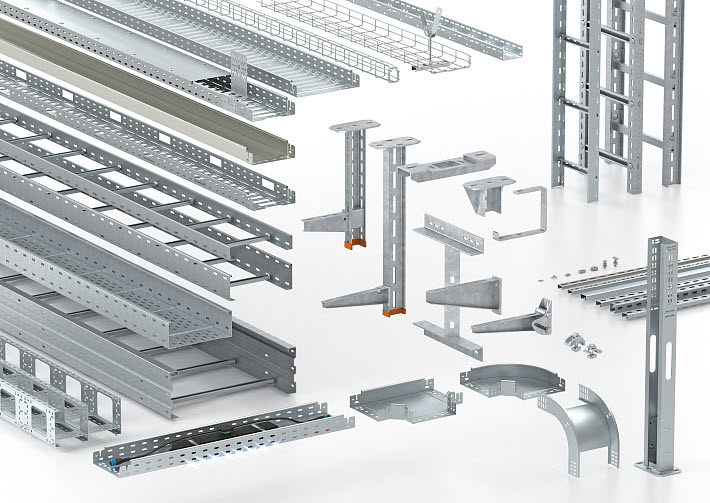
Cable Systems
Paneltech Systems offers comprehensive cable management systems for efficient, secure and organised cable setups across industrial and commercial environments.
View Product
LV Panel
High-quality low voltage panels designed for reliable power distribution and protection in industrial and commercial installations.
View Product
Protection Panels
Robust protection panels safeguarding electrical systems and equipment from faults, overloads and short circuits.
View ProductThe importance of electrical switchroom design Kenya engineers must consider has increased due to rising electrical loads, renewable energy integration, automation systems, and the growing need for reliable power infrastructure.
Kenyan electrical installations face specific challenges including:
- KPLC supply variations
- High ambient temperatures
- Dust exposure in industrial locations
- Humidity and corrosion near coastal areas
- Limited building space
- Increased demand for backup power systems
A correctly engineered switchroom ensures:
- Safe operation
- Efficient maintenance
- Adequate equipment cooling
- Future expansion capability
- Compliance with electrical standards
At Paneltech Systems Ltd, we provide electrical engineering, LV switchboard design, automation solutions, and custom panel manufacturing for commercial and industrial projects in Kenya. Learn more about our expertise at about, explore our solutions at products, or contact our engineers through contact.
An electrical switchroom is a dedicated room designed to house electrical distribution equipment including LV panels, switchgear, protection systems, and control equipment. It provides a controlled environment for safe electrical operation and maintenance.
A typical switchroom may contain:
- Main LV switchboards
- Motor control centres (MCCs)
- Automatic Transfer Switches (ATS)
- Power factor correction panels
- UPS systems
- Protection relays
- Metering equipment
- Control panels
Switchrooms are commonly installed in:
- Commercial buildings
- Factories
- Data centres
- Hospitals
- Shopping malls
- Industrial plants
Proper switchroom design improves electrical safety, equipment reliability, and maintenance efficiency. Poorly designed rooms can cause overheating, restricted access, and unsafe working conditions.
Common switchroom design failures include:
- Insufficient working space
- Poor ventilation
- Incorrect equipment positioning
- Limited cable access
- No future expansion allowance
- Inadequate fire protection
A good design considers the complete lifecycle of the electrical installation.
A good electrical switchroom design provides adequate equipment clearances, proper ventilation, safe access, suitable environmental protection, cable management space, and compliance with electrical standards. It should support both current operation and future expansion.
Key design considerations include:
- Equipment arrangement
- Access routes
- Maintenance clearance
- Heat management
- Cable entry
- Safety systems
Switchroom requirements depend on equipment ratings, installation environment, and operational needs. Proper specifications improve safety and reliability.
| Design Parameter | Typical Requirement |
|---|---|
| Supply Voltage | 415V LV Systems |
| Frequency | 50 Hz |
| Equipment Type | LV Switchboards, MCCs, ATS |
| Clearance | Based on Equipment Requirements |
| Ventilation | Natural or Mechanical Cooling |
| Access | Dedicated Electrical Access |
| Floor Type | Reinforced Concrete / Raised Floor |
| Lighting | Adequate Maintenance Lighting |
| Protection | IEC 61439 Compliant Panels |
| Environment | Controlled, Dry, Dust-Free |
Adequate working clearance allows engineers to safely operate, inspect, and maintain electrical equipment. Insufficient space increases safety risks and makes maintenance difficult.
Important clearance considerations include:
- Front access space
- Rear access where required
- Side clearance
- Door opening space
- Cable termination area
Large switchboards require enough room for:
- Breaker operation
- Testing equipment
- Component replacement
- Emergency access
The final dimensions depend on:
- Equipment design
- Voltage level
- Manufacturer requirements
- Applicable regulations
A well-planned switchroom layout improves safety, reduces cable complexity, and creates easier access for maintenance teams. Equipment arrangement should follow power flow and operational requirements.
Typical layout sequence:
Incoming Supply Area
Contains:
- Main incomer
- Utility metering
- Protection equipment
Distribution Area
Contains:
- Main LV panels
- Outgoing feeders
- Bus couplers
Control Area
Contains:
- Automation panels
- Monitoring systems
- Communication equipment
Ventilation is critical because electrical equipment generates heat during operation. Poor airflow can reduce equipment lifespan and cause overheating.
Heat sources include:
- Circuit breakers
- Busbars
- Transformers
- UPS systems
- VFDs
Ventilation options include:
Natural Ventilation
Suitable for:
- Smaller electrical rooms
- Low heat loads
Mechanical Ventilation
Recommended for:
- Large switchrooms
- Data centres
- High-load installations
Cooling Systems
May be required for:
- UPS rooms
- Critical power rooms
- Temperature-sensitive equipment
Switchrooms in Kenya must be protected against environmental conditions such as dust, humidity, and corrosion. Correct room construction and equipment selection improve reliability.
Regional considerations include:
Nairobi and Inland Areas
Common challenges:
- Dust
- Temperature variation
- Urban pollution
Coastal Kenya
Additional risks:
- Humidity
- Salt corrosion
- Condensation
Protection measures include:
- Sealed cable entries
- Controlled ventilation
- Proper IP-rated panels
- Anti-corrosion treatment
Paneltech provides LV solutions designed for demanding Kenyan environments through low-voltage-panels.
Safe access ensures authorised personnel can operate and maintain electrical equipment without unnecessary risks. Switchrooms should provide clear entry routes and controlled access.
Important features include:
- Dedicated entrance
- Emergency lighting
- Clear equipment identification
- Non-slip flooring
- Adequate illumination
- Restricted access control
Effective cable management improves installation quality and simplifies future maintenance. Poor cable routing can create overheating and troubleshooting difficulties.
Design considerations include:
- Cable trenches
- Raised floors
- Entry points
- Bend radius requirements
- Separation of power and control cables
Proper cable planning reduces:
- Installation time
- Fault-finding difficulty
- Future modification costs
Electrical switchrooms require appropriate fire protection because electrical faults can create significant risks. Fire safety design should consider equipment type and building requirements.
Common measures include:
- Fire-rated construction
- Smoke detection
- Emergency isolation
- Suitable fire suppression systems
- Clearly marked exits
Critical facilities may require additional protection strategies.
Modern Kenyan facilities increasingly integrate generators, UPS systems, and solar solutions requiring careful switchroom planning.
Backup systems may include:
- Generator incomers
- ATS panels
- UPS distribution boards
- Solar integration panels
- Battery systems
Paneltech supports power infrastructure solutions including ATS and LV systems through products.
A good switchroom design should allow easy inspection and maintenance throughout the equipment lifecycle. Accessibility reduces downtime and improves safety.
Maintenance activities include:
- Thermal scanning
- Cleaning
- Torque checks
- Breaker testing
- Insulation testing
- Protection verification
Technical resources are available throughknowledge-site.
Poor planning during design and construction can create long-term operational problems. Avoiding common mistakes improves reliability and reduces future costs.
Common errors include:
- Designing only for current load
- No expansion space
- Poor ventilation
- Limited maintenance access
- Incorrect equipment arrangement
- Insufficient lighting
- Poor cable routing
- Ignoring environmental conditions
Electrical switchrooms should be designed according to recognised safety and performance standards to ensure reliable operation.
Relevant standards include:
- IEC 61439 – Low Voltage Switchgear Assemblies
- IEC 60947 – Switchgear and Controlgear
- IEC 60364 – Electrical Installations
- BS EN electrical standards
- EPRA electrical requirements applicable in Kenya
Compliance supports safe operation and professional project approval.
Paneltech Systems Ltd provides electrical engineering solutions for industrial, commercial, and infrastructure projects across Kenya. Our team supports switchroom planning, LV panel design, automation, and power distribution requirements.
Our specialised services include:
- Electrical Switchroom Design
- LV Switchboards
- MCC Panels
- ATS Systems
- APFC Panels
- VFD Solutions
- Solar Electrical Systems
- Power Distribution Design
- Engineering Consultation
- Panel Manufacturing
- Installation Support
Explore our engineering solutions through home-main, access technical resources through knowledge-site, discover residential solutions through paneltechhomes, or visit home1.
Electrical switchroom design affects safety, reliability, and maintenance efficiency. Proper planning prevents many operational problems.
How much clearance is required around electrical panels?
Clearance depends on equipment size, voltage level, manufacturer requirements, and applicable regulations.
Why is ventilation important in a switchroom?
Ventilation removes heat generated by electrical equipment and helps prevent overheating.
Can switchrooms be installed outdoors?
Yes, but outdoor installations require appropriate weather protection, environmental control, and suitable equipment ratings.
Should switchrooms allow future expansion?
Yes. Providing spare space and capacity reduces future modification costs.
Can Paneltech review an existing switchroom layout?
Yes. Paneltech can review layouts, equipment arrangements, and electrical designs to improve safety and reliability.
Powering Kenya's Future with Reliable Electrical Solutions
Email: [email protected]
Phone: 0799 531765
Location: Nairobi, Kenya
Website: https://paneltechsystems.co.ke/
Our Specialized Services:
- Low Voltage (LV) Panels & APFC Panels
- VFD Drive Solutions & ATS / MTS Systems
- Solar Power & EV Charging Infrastructure
- Electrical Supplies & Engineering Consultations