Data Center Transfer Switch: Why ATS Systems Are Critical for Uptime
Data centers require 99.999% uptime. Discover how high-speed Automatic Transfer Switches prevent micro-interruptions and protect critical server infrastructure.
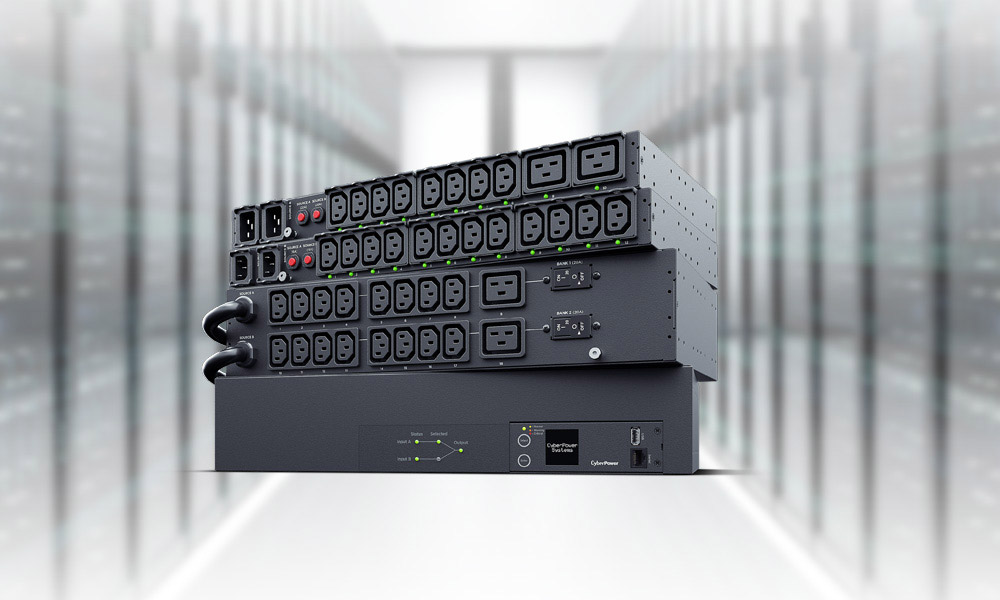
Data centers are the backbone of digital infrastructure, powering cloud computing, financial systems, telecom networks, and enterprise IT across Kenya and East Africa. Even a few milliseconds of downtime can lead to massive data loss, financial disruption, and service outages.
Automatic Transfer Switch (ATS) systems are the silent guardians of this ecosystem. They ensure that when the main utility power fails, backup generators or alternative sources take over instantly—without interrupting critical IT loads.
Related Products

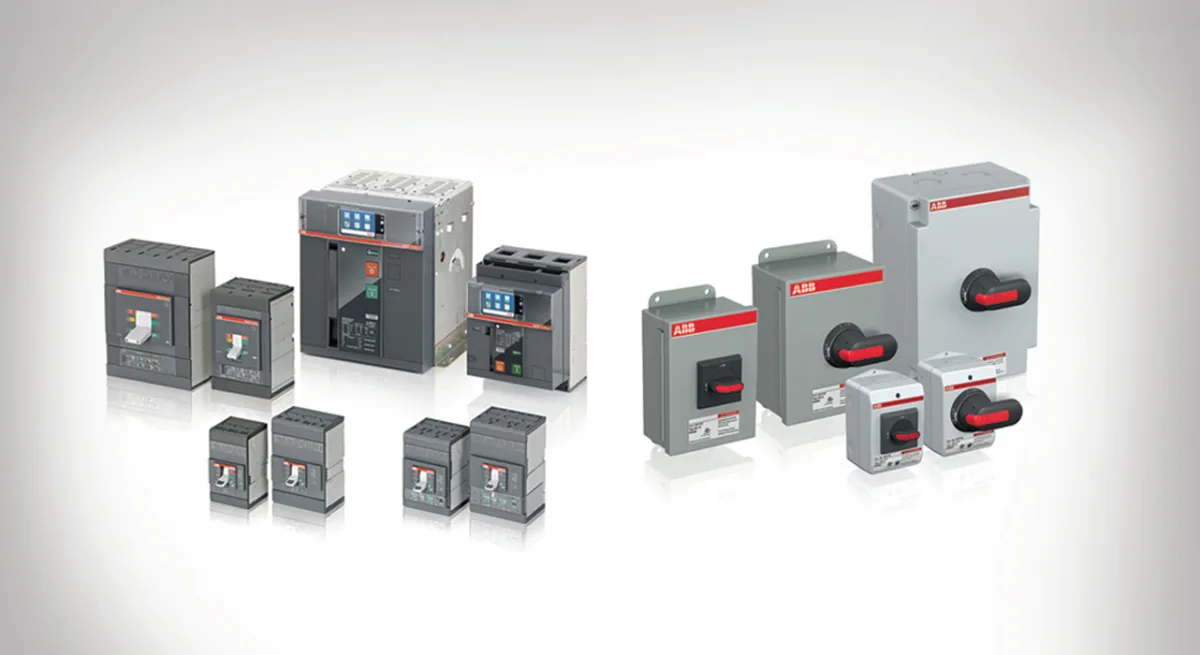
ATS / MTS Kenya
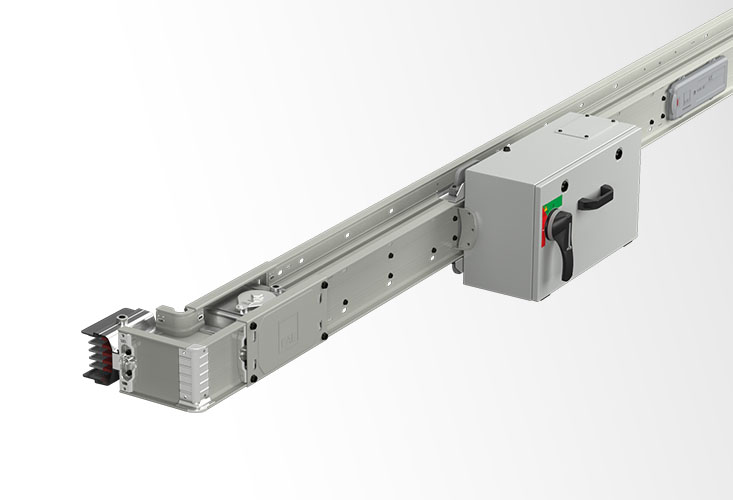
ATS/MTS solutions from Paneltech Systems provide reliable Automatic and Manual Transfer Switches for seamless power transfer in industrial and commercial electrical systems.
View Product
Panels For Data Centers
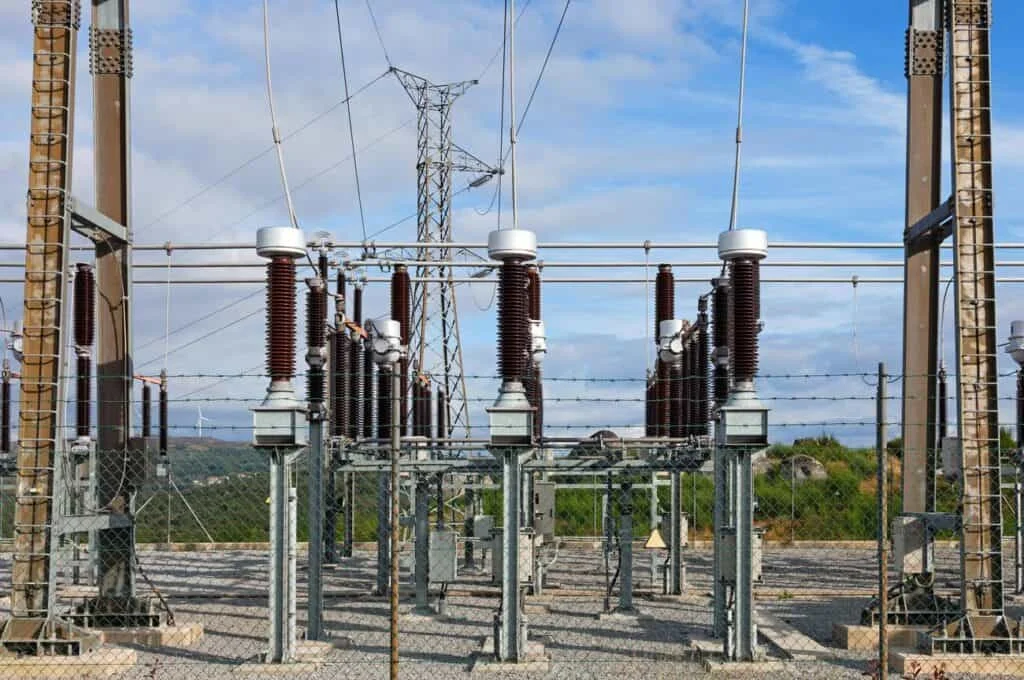
Specialised low voltage panels designed for data centre power distribution, ensuring high reliability and redundancy.
View Product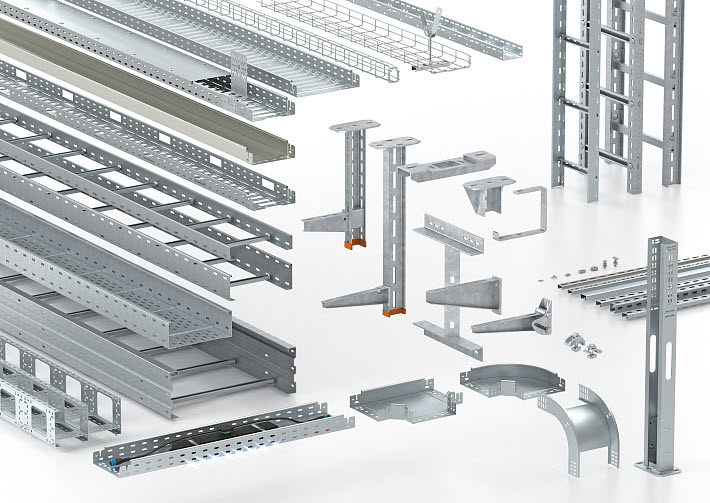
Cable Systems
Paneltech Systems offers comprehensive cable management systems for efficient, secure and organised cable setups across industrial and commercial environments.
View Product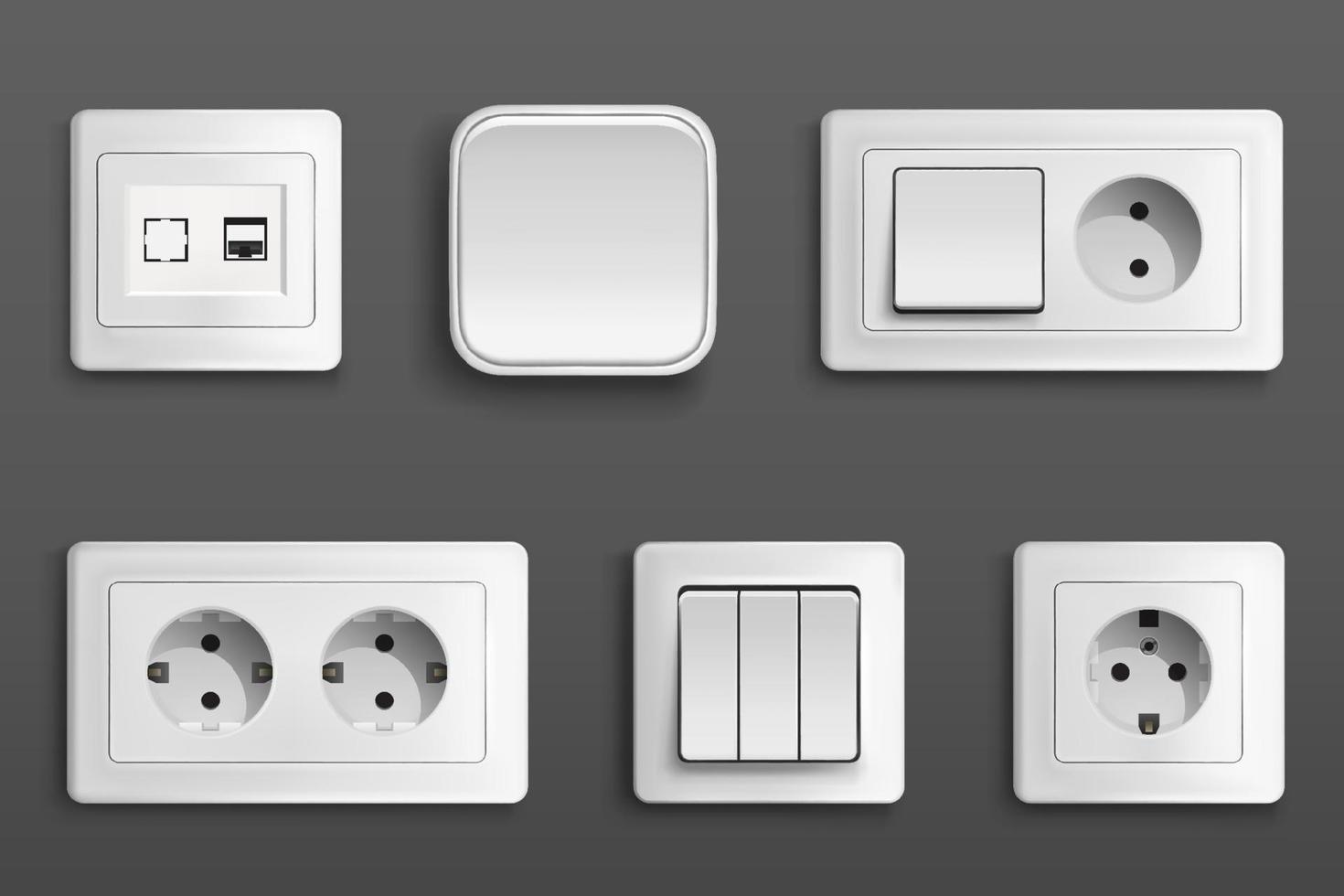
Switches and Sockets
Quality switches and sockets for residential, commercial and industrial electrical installations.
View ProductFor companies like Paneltech Systems Ltd, delivering engineered ATS solutions is essential for maintaining uptime in environments where reliability is non-negotiable.
What is an ATS System in a Data Center?
An Automatic Transfer Switch (ATS) is an electrical device that automatically shifts a data center’s load from the main utility supply to a backup power source when a failure is detected. It ensures continuous power flow to critical IT infrastructure without manual intervention. In high-availability environments, ATS systems act as the first line of defense against power disruption.
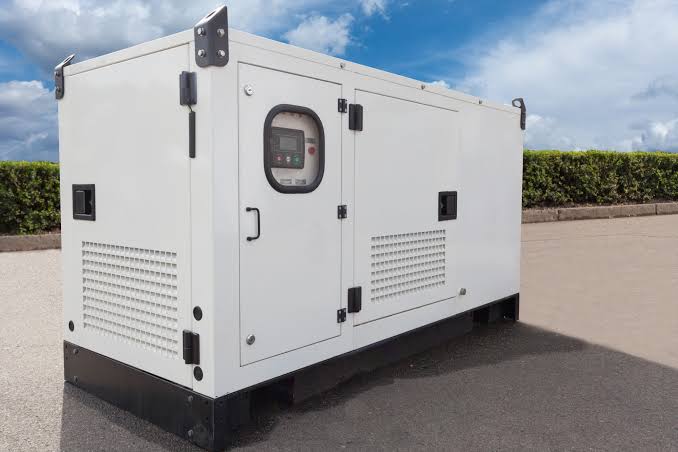
An ATS continuously monitors incoming power from the utility grid. When voltage drops, frequency fluctuates, or a complete outage occurs, the ATS signals a generator or alternate source to start and transfers the load once stable power is available.
In data centers, this switching must happen within seconds—or milliseconds in high-performance systems—to prevent server reboot, data corruption, or network downtime.
ATS systems are typically integrated with:
- Diesel generator sets
- UPS (Uninterruptible Power Supply) systems
- Intelligent monitoring relays
- Building Management Systems (BMS)
They are a core part of Tier III and Tier IV data center designs, where redundancy is mandatory.
Learn more about Paneltech Systems infrastructure approach:
Paneltech Systems Home
Why ATS Systems Are Critical for Data Center Uptime
ATS systems are critical because they eliminate power interruptions by instantly switching to backup sources, ensuring continuous uptime for servers and network infrastructure. Without ATS, even short utility failures would result in service outages and potential data corruption. In high-availability data centers, ATS is a mandatory component for achieving 99.999% uptime.
Modern digital services depend on uninterrupted power. A single interruption can:
- Crash virtual machines
- Corrupt active databases
- Disconnect cloud services
- Trigger cascading system failures
In Kenya, where grid instability can occur due to load fluctuations or infrastructure stress, ATS systems become even more essential for mission-critical environments such as:
- Banking data centers
- Telecom switching hubs
- Cloud service providers
- Government digital infrastructure
ATS systems ensure that power transitions are seamless and automatic, reducing human dependency and response delays.
Explore Paneltech’s engineering approach:
About Paneltech Systems
How Automatic Transfer Switch Systems Work
An ATS system continuously monitors electrical supply conditions and automatically switches the load to a backup source when abnormalities such as voltage drops or outages are detected. The system ensures safe transfer by synchronizing power sources before switching to avoid electrical surges. This protects sensitive data center equipment from damage and downtime.
The ATS workflow includes:
- Monitoring Phase
The ATS continuously measures voltage, frequency, and phase balance from the utility supply. - Detection Phase
When power quality drops beyond acceptable thresholds, the ATS triggers an alert. - Generator Start Command
The backup generator is automatically started and allowed to stabilize. - Transfer Phase
Once stable, the ATS transfers load from utility to generator or alternate source. - Re-transfer Phase
When utility power is restored and stable, the ATS switches back safely.
This process is fully automated and designed for zero human intervention, which is critical in unmanned data center environments.
High-Speed ATS vs Standard Transfer Switches
High-speed ATS systems operate significantly faster than standard transfer switches, reducing power interruption time to milliseconds, which is essential for sensitive data center operations. Standard ATS systems may take several seconds, which can still be disruptive to IT systems. High-speed variants are designed for Tier III and Tier IV data centers where zero downtime is required.
| Feature | Standard ATS | High-Speed ATS |
|---|---|---|
| Transfer Time | 2–10 seconds | Milliseconds |
| Application | Commercial buildings | Data centers |
| Load Sensitivity | Moderate | Highly critical |
| Redundancy Support | Basic | Advanced (N+1, 2N) |
| Cost | Lower | Higher |
High-speed ATS systems are typically paired with UPS systems to provide instantaneous bridge power during switching.
Paneltech Systems provides engineered LV and ATS solutions:
LV Panels & Switchgear
Kenya’s Power Stability Challenges and the Need for ATS
Kenya’s electrical grid experiences periodic fluctuations, voltage drops, and occasional outages that make ATS systems essential for maintaining stable data center operations. These disturbances can cause critical downtime if automatic switching systems are not in place. ATS ensures uninterrupted operation regardless of grid instability.
In Kenya, common power challenges include:
- Voltage instability during peak demand
- Load shedding risks in industrial zones
- Transmission line faults during weather events
- Frequency variations affecting sensitive electronics
For data centers in Nairobi, Mombasa, and industrial zones in the Rift Valley, ATS systems are not optional—they are a foundational requirement.
Humidity in coastal regions like Mombasa also introduces corrosion risks, while dusty environments in inland regions affect electrical enclosures. ATS panels must therefore be designed with appropriate protection ratings:
- IP65 for high-moisture environments
- IP54 for controlled indoor installations
Paneltech Systems designs solutions aligned with local environmental conditions:
Paneltech Home Main
EPRA and IEC Compliance for ATS Systems in Kenya
ATS systems used in Kenya must comply with EPRA regulations and international IEC/BS EN electrical standards to ensure safety, reliability, and interoperability. Compliance ensures that systems meet required safety thresholds and can operate reliably under industrial loads. Non-compliant systems risk failure, penalties, and operational hazards.
Key standards include:
- IEC 60947 (Low-voltage switchgear and controlgear)
- IEC 61439 (LV switchgear assemblies)
- BS EN 60947-6-1 (Transfer switching equipment)
- EPRA electrical installation guidelines in Kenya
Compliance ensures:
- Electrical safety under fault conditions
- Proper insulation and arc fault protection
- Standardized installation practices
- Reliable generator integration
Paneltech Systems integrates compliance-driven engineering into all its switchgear and automation designs:
Products Overview
System Design Considerations for Data Center Transfer Switch ATS
Designing ATS systems for data centers requires careful consideration of load capacity, redundancy architecture, switching speed, and environmental protection. Proper design ensures uninterrupted power delivery even during simultaneous utility and generator faults. Engineers must also account for scalability and maintenance accessibility.
Critical design factors include:
Load Capacity
ATS must be rated for full IT load plus future expansion.
Redundancy Architecture
- N+1 systems for medium reliability
- 2N systems for high-availability data centers
Switching Speed
Faster transfer reduces risk of server reboot or data loss.
Environmental Protection
- Dust resistance (Rift Valley industrial zones)
- Humidity resistance (coastal Kenya)
Thermal Management
Proper ventilation prevents overheating in enclosed panels.
Maintenance Access
Design should allow live testing and bypass operation without downtime.
Paneltech engineering solutions emphasize scalable industrial reliability:
Contact Paneltech Systems
Integration of ATS with UPS and Generator Systems
ATS systems work in coordination with UPS systems and generators to ensure seamless power continuity by bridging short outages and enabling controlled load transfer. UPS handles instantaneous power gaps, while ATS manages source switching between utility and backup generators. Together, they form a layered redundancy system essential for data centers.
Typical power architecture:
- Utility Power → ATS → UPS → IT Load
- Generator → ATS → UPS → IT Load
Sequence:
- UPS provides immediate backup during transition
- ATS switches source once generator stabilizes
- Generator sustains long-duration backup
This layered system ensures:
- Zero downtime during switching
- Protection against voltage spikes
- Stable frequency for servers and networking equipment
Explore more technical insights:
Knowledge Hub
Paneltech Systems ATS and Electrical Solutions
Paneltech Systems provides engineered ATS, LV panels, and automation solutions designed for industrial-grade reliability in Kenya’s demanding power environments. Their systems are built for compliance, scalability, and high availability applications such as data centers and industrial facilities. These solutions are tailored to meet both local and international standards.
Key solutions include:
- Automatic Transfer Switch (ATS) panels
- LV switchgear assemblies
- APFC systems for power factor optimization
- Industrial automation systems
- VFD drive integration for energy efficiency
Product integration areas:
- Data centers
- Hospitals
- Industrial plants
- Commercial buildings
Explore product ecosystem:
APFC Panel Systems
Motor Control Systems
Multispan Components
System Specifications Table: Data Center Transfer Switch ATS Panel
| Parameter | Specification |
|---|---|
| Rated Voltage | 400/415V AC |
| Frequency | 50Hz |
| Rated Current | 100A – 3200A |
| Transfer Type | Open / Closed Transition |
| Enclosure Material | Powder-coated steel |
| Protection Class | IP54 / IP65 |
| Standards Compliance | IEC 60947-6-1, IEC 61439 |
| Control System | Microprocessor-based logic |
| Mounting Type | Floor-mounted / Wall-mounted |
| Application | Data centers, hospitals, industrial facilities |
Conclusion: ATS Systems as the Foundation of Data Center Transfer Switch Reliability
ATS systems are not optional infrastructure—they are essential for maintaining continuous operations in environments where downtime is unacceptable. In data centers, they form the critical bridge between unstable utility power and reliable backup generation.
In Kenya’s evolving digital economy, where cloud services, fintech platforms, and telecom networks are expanding rapidly, ATS systems provide the resilience required to support 24/7 digital infrastructure.
Paneltech Systems Ltd continues to engineer robust, standards-compliant ATS and electrical systems designed specifically for East Africa’s operational conditions.
Call to Action (MANDATORY)
Contact Paneltech Systems Ltd
Powering Kenya's Future with Reliable Electrical Solutions
Email: [email protected]
Phone: 0799 531765
Location: Nairobi, Kenya
Website: https://paneltechsystems.co.ke/
Our Specialized Services:
Low Voltage (LV) Panels & APFC Panels
VFD Drive Solutions & ATS / MTS Systems
Solar Power & EV Charging Infrastructure
Electrical Supplies & Engineering Consultations