Industrial Electrical Safety Tips: Safe Plant Operations and Arc Flash Protection
Review essential industrial electrical safety tips, including arc flash protection boundaries, switchgear maintenance PPE regulations, and emergency isolation procedures for safe industrial plant operations.
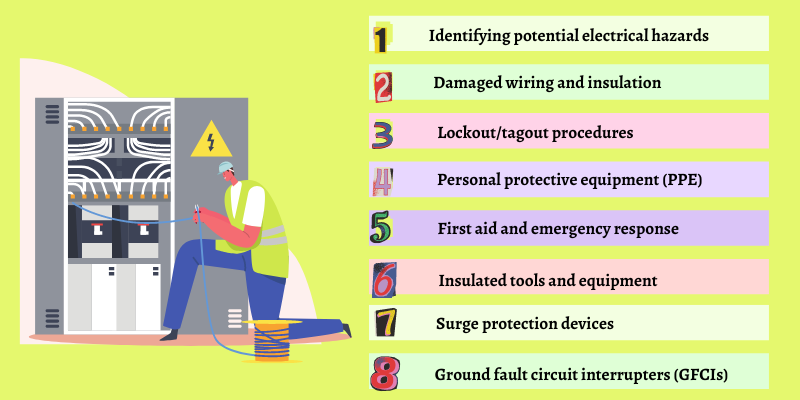
Industrial electrical safety is not a compliance formality—it is a life-critical engineering discipline. In manufacturing plants, electrical hazards are among the leading causes of serious workplace injuries and equipment loss. Arc flash incidents, improper isolation, and inadequate PPE use can result in catastrophic outcomes within milliseconds.
In Kenya’s industrial sector, safety risks are amplified by aging infrastructure, rapid facility expansion, and inconsistent maintenance practices. Without strict adherence to OSHA-aligned safety procedures and IEC standards, workers and equipment remain exposed to preventable hazards.
Related Products

Protection Panels
Robust protection panels safeguarding electrical systems and equipment from faults, overloads and short circuits.
View Product
LV Panel
High-quality low voltage panels designed for reliable power distribution and protection in industrial and commercial installations.
View Product
Distribution Boards
Distribution boards divide the main electrical power supply into smaller circuits while providing circuit protection for residential, commercial and industrial applications.
View Product
Starter Panels
Motor starter panels for safe starting and stopping of industrial motors with overload and short circuit protection.
View ProductThis manual provides a structured industrial safety framework covering arc flash protection, PPE requirements, and Lockout/Tagout (LOTO) procedures for safe electrical operations.
Paneltech Systems Ltd designs industrial LV panels, switchgear systems, and protection solutions engineered for safe and compliant operation. Learn more at products and knowledge-site.
Understanding Industrial Electrical Hazards
Industrial electrical hazards include arc flash, electric shock, equipment failure, and thermal burns caused by uncontrolled electrical energy. These hazards occur when safety procedures are ignored or systems are improperly maintained. Proper engineering controls significantly reduce risk exposure.
Major hazards include:
- Arc flash explosions from short circuits
- Direct electric shock from exposed conductors
- Thermal burns from overheated equipment
- Fire hazards due to insulation failure
- Mechanical injuries from explosive equipment failure
Arc flash events are particularly dangerous because they release extreme energy in milliseconds, producing temperatures exceeding 19,000°C.
Arc Flash Protection Boundary Standard
The arc flash protection boundary defines the safe distance from energized equipment where a worker may be exposed to a potential arc flash incident. Inside this boundary, PPE is mandatory due to high thermal energy exposure risk. It is a critical OSHA and IEC safety requirement.
Arc flash boundaries are determined based on system voltage, available fault current, and clearing time of protective devices.
Arc Flash Boundary Reference Table
| System Voltage | Arc Flash Boundary | Risk Level |
|---|---|---|
| 230V – 415V | 0.3 m – 1 m | Low to Medium |
| 415V – 11kV | 1 m – 3 m | Medium to High |
| Above 11kV | 3 m – 5 m+ | High Risk |
Within these zones, workers must wear rated PPE and follow strict safety protocols.
Proper labeling of panels with arc flash warnings is mandatory in industrial environments.
Personal Protective Equipment (PPE) Requirements for Electrical Work
Electrical PPE protects workers from arc flash energy, electric shock, and thermal burns. Correct PPE selection depends on hazard level and system voltage. It is a mandatory requirement under industrial safety regulations.
PPE Matrix for Electrical Maintenance Work
| PPE Category | Protection Level | Application |
|---|---|---|
| Class 0 Gloves | Up to 1kV | Low voltage panels |
| Class 2 Gloves | Up to 17kV | Medium voltage systems |
| Arc-Rated Suit (8–25 cal/cm²) | Thermal protection | LV switchgear work |
| Arc-Rated Suit (25–40+ cal/cm²) | High risk zones | MV switchgear |
| Face Shield with Balaclava | Arc flash protection | All energized work |
| Safety Helmet (Arc Rated) | Head protection | Industrial environments |
| Insulated Tools | Shock prevention | Live panel work |
PPE must be inspected before every use and replaced if damaged or compromised.
Lockout/Tagout (LOTO) Safety Procedure
Lockout/Tagout (LOTO) is a safety procedure used to ensure electrical systems are completely isolated before maintenance begins. It prevents accidental energization of equipment during servicing. It is one of the most important industrial safety protocols.
LOTO Procedure Steps:
- Identify all energy sources feeding the system
- Shut down equipment using standard operating procedure
- Isolate power at upstream breaker or disconnect switch
- Apply physical lock to isolation device
- Attach warning tag with technician identification
- Verify zero energy using calibrated test equipment
- Attempt restart to confirm isolation integrity
Only authorized personnel should perform LOTO procedures.
Failure to follow LOTO is one of the leading causes of industrial electrical accidents.
Electrical Switchgear Safety Regulations and Maintenance PPE
Switchgear maintenance requires strict PPE compliance due to high fault energy levels. Improper handling can lead to arc flash incidents and fatal injuries. Maintenance must follow IEC and OSHA-aligned safety procedures.
Switchgear safety requirements include:
- Arc-rated PPE before opening panels
- Insulated gloves and dielectric footwear
- Proper earthing and grounding verification
- Use of remote switching tools where possible
- Restricted access to authorized personnel only
In industrial plants, switchgear rooms must always be clearly labeled and access-controlled.
Explore engineered switchgear systems at #motor-control-panels.
Electrical Safety Inspection Checklist
A structured safety checklist ensures consistent hazard identification before maintenance work begins. It reduces human error and improves compliance. It is essential for industrial risk management.
Daily Safety Checklist:
- Check panel door integrity and locks
- Verify warning labels and signage
- Inspect for overheating or abnormal smell
- Confirm ventilation system operation
Pre-Maintenance Checklist:
- LOTO applied correctly
- Voltage absence confirmed
- PPE worn correctly
- Tools inspected and insulated
- Work permit authorized
Post-Maintenance Checklist:
- All tools removed from panel
- Covers securely installed
- System tested under controlled conditions
- Documentation completed
Arc Flash Incident Energy and Risk Control
Arc flash incident energy refers to the thermal energy released during an electrical fault. Higher energy levels increase burn severity and damage risk. Proper system design reduces incident energy exposure.
Risk control methods include:
- Reducing fault clearing time with fast-acting breakers
- Using current-limiting protection devices
- Proper system coordination studies
- Installing arc flash detection relays
- Maintaining equipment regularly
Engineering controls are more effective than PPE alone in reducing arc flash risk.
System Safety Specifications Table
| Parameter | Specification |
|---|---|
| Safety Standard | OSHA / IEC 61482 / IEC 60947 |
| Arc Flash Protection Level | 8–40+ cal/cm² PPE ratings |
| Isolation Method | LOTO + Mechanical Locking |
| Voltage Detection | CAT III / CAT IV testers |
| Inspection Frequency | Daily / Monthly / Annual |
| PPE Compliance | Mandatory for energized work |
| Enclosure Rating | IP54 / IP65 |
| Application | Industrial Electrical Systems |
Kenya Industrial Electrical Safety Challenges
Industrial safety compliance in Kenya faces several challenges:
- Inconsistent enforcement of safety procedures
- Aging electrical infrastructure in older facilities
- Limited arc flash risk assessments
- Insufficient PPE availability in some plants
- Rapid industrial expansion without updated safety audits
These challenges increase the importance of structured safety programs.
Engineering Best Practices for Electrical Safety Compliance
A robust industrial electrical safety program should include:
- Arc flash risk assessment and labeling
- Mandatory PPE enforcement policy
- Lockout/Tagout training programs
- Regular switchgear maintenance and inspection
- Electrical safety audits and documentation
When implemented correctly, these practices significantly reduce workplace accidents and improve operational safety.
Paneltech Systems Ltd provides engineered electrical systems designed for safe industrial operation across Kenya.