Industrial Electrical Maintenance Checklist: Master Guide for Facility Reliability
A complete industrial electrical maintenance checklist for facility teams covering daily, monthly, and yearly inspections of switchgear, distribution panels, and electrical systems to improve reliability and safety.
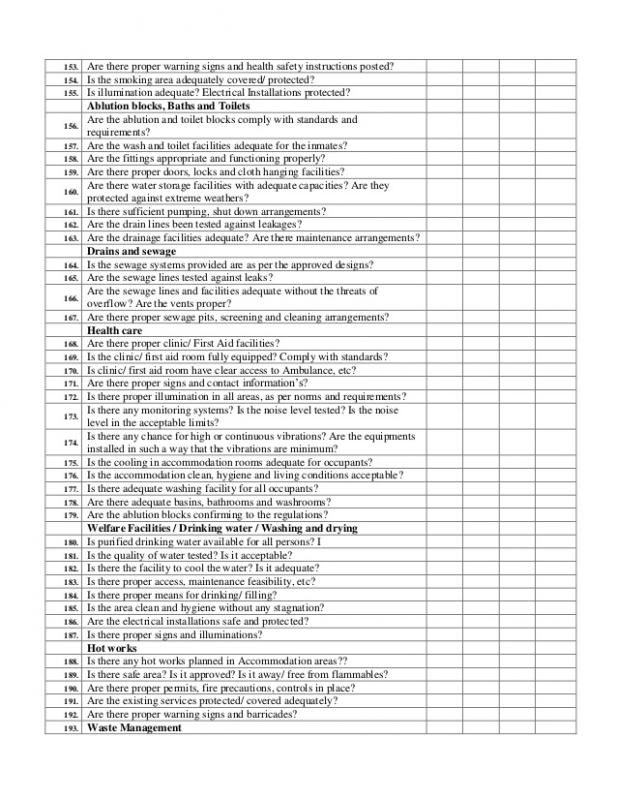
Industrial electrical systems do not fail suddenly in most cases. They fail gradually due to unnoticed wear, loose connections, dust accumulation, thermal stress, and lack of structured inspection routines. A well-designed maintenance checklist is therefore not just an administrative tool—it is a production reliability system.
In Kenyan industrial environments, electrical systems are exposed to additional stress from voltage fluctuations, high humidity in coastal regions, dust in inland manufacturing zones, and continuous heavy-load operations. Without a structured maintenance program, these conditions accelerate equipment degradation.
Related Products

LV Panel
High-quality low voltage panels designed for reliable power distribution and protection in industrial and commercial installations.
View Product
Distribution Boards
Distribution boards divide the main electrical power supply into smaller circuits while providing circuit protection for residential, commercial and industrial applications.
View Product
Feeder Pillar Panels
Feeder pillar panels providing reliable power distribution solutions for outdoor and indoor industrial and commercial applications.
View Product
Meter Boards
Meter boards house electricity meters, circuit breakers, fuses and other protective devices for proper monitoring and regulation of electrical supply.
View ProductA proper industrial electrical maintenance checklist ensures that faults are detected early, downtime is minimized, and compliance with IEC and EPRA safety standards is maintained.
Paneltech Systems Ltd provides engineered LV panels, APFC systems, and VFD solutions designed for long-term reliability in demanding environments. Learn more at products and knowledge-site.
Daily Electrical Maintenance Checks for Industrial Facilities
Daily electrical maintenance focuses on quick visual inspections and operational monitoring of critical systems. It helps detect early warning signs such as overheating, abnormal noise, or irregular meter readings. This prevents small issues from escalating into major failures.
Daily checks should include:
- Visual inspection of switchgear panels for abnormal indicators
- Monitoring of load meters and energy consumption trends
- Checking for unusual smells or overheating signs
- Verifying indicator lights and alarms on control panels
- Ensuring ventilation systems are operating correctly
In Kenyan factories, daily checks are especially important due to fluctuating grid conditions and variable industrial loads.
Even minor anomalies detected early can prevent costly breakdowns.
Weekly Inspection Procedures for Electrical Systems
Weekly inspections involve deeper checks of electrical components to identify developing faults. They focus on connection integrity, load stability, and early thermal stress detection. These inspections reduce hidden electrical risks.
Weekly tasks include:
- Checking tightness of accessible electrical connections
- Inspecting cable routing and physical damage
- Reviewing load distribution across phases
- Monitoring breaker status and tripping history
- Checking cooling fans and ventilation systems
Loose connections are a major cause of overheating in industrial switchgear and must be identified early.
Facilities with structured weekly inspections experience significantly fewer unexpected outages.
Monthly Maintenance for Distribution Panels and Switchgear
Monthly maintenance ensures that electrical systems remain stable under continuous industrial load. It includes functional testing and deeper inspection of protective devices. This ensures long-term system reliability and safety compliance.
Monthly tasks include:
- Infrared thermography scanning of panels
- Testing of MCCBs, ACBs, and protection relays
- Cleaning dust accumulation inside enclosures
- Checking insulation resistance levels
- Reviewing power factor and load balancing
In Kenyan industrial environments, dust and humidity make monthly cleaning and thermal scanning essential for preventing insulation breakdown.
Explore engineered LV panel systems at low-voltage-panels.
Quarterly High Voltage Switchgear Routine Checks
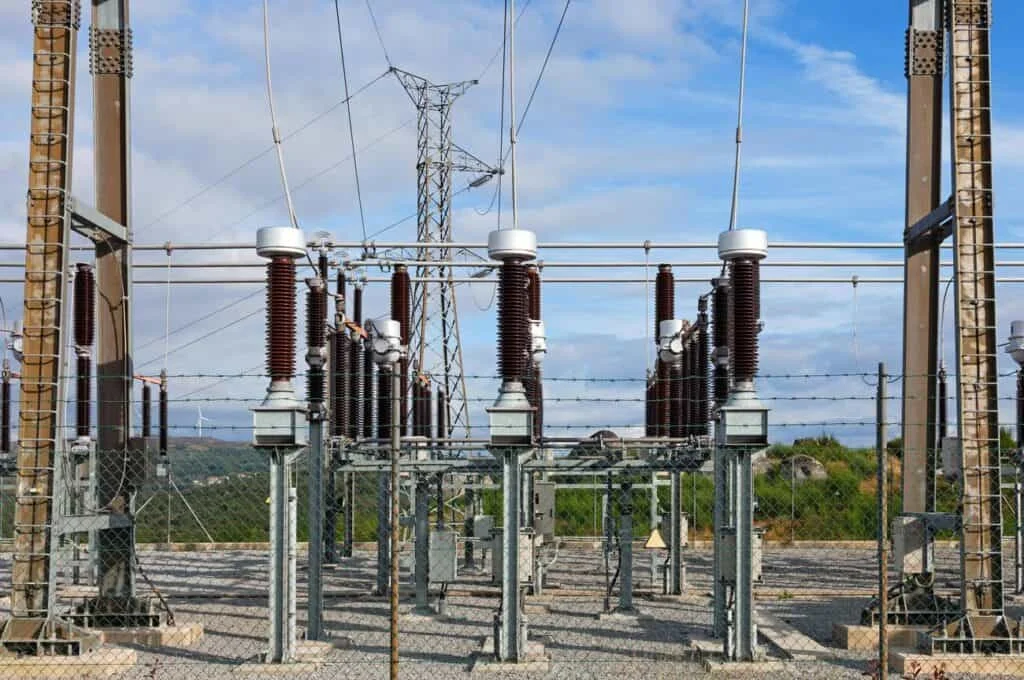
Quarterly maintenance focuses on high voltage switchgear reliability and protection system integrity. It ensures safe operation of critical distribution infrastructure. It reduces the risk of catastrophic electrical failure.
Quarterly checks include:
- Testing protective relay coordination
- Verifying circuit breaker trip settings
- Inspecting busbars for overheating signs
- Lubricating mechanical breaker components
- Reviewing system fault logs
High voltage switchgear operates under extreme stress and requires scheduled inspection to maintain safety compliance.
Proper adherence to IEC 60947 and IEC 61439 standards is essential in industrial environments.
Annual Electrical System Audit and Full Servicing
Annual maintenance involves a complete system audit and servicing of all electrical infrastructure. It identifies long-term degradation trends and system inefficiencies. This ensures compliance, safety, and operational optimization.
Annual tasks include:
- Full electrical load study and system recalibration
- Comprehensive insulation testing
- APFC system calibration and capacitor testing
- Transformer and feeder inspection
- Replacement of worn-out breakers or contactors
Annual audits often reveal hidden inefficiencies that accumulate over time, such as poor power factor or overloaded circuits.
Facilities that conduct annual audits experience improved uptime and reduced energy costs.
Preventive Maintenance vs Reactive Maintenance in Industry
Preventive maintenance focuses on scheduled inspections to avoid failures, while reactive maintenance addresses problems after they occur. Preventive systems reduce downtime and repair costs significantly. Reactive systems increase operational risk and production losses.
Reactive maintenance often leads to:
- Unexpected downtime
- Higher repair costs
- Equipment damage escalation
- Safety risks
Preventive maintenance, on the other hand, ensures predictable system behavior and controlled operating conditions.
Modern industrial facilities in Kenya are increasingly shifting toward preventive maintenance models for reliability.
Critical Electrical Components That Require Regular Attention
Certain electrical components require more frequent inspection due to higher stress levels. These include switchgear, busbars, transformers, and motor control systems. Neglecting these components significantly increases failure risk.
Key components include:
- LV and MV switchgear panels
- Motor control centers (MCCs)
- APFC capacitor banks
- VFD-driven motor systems
- Distribution transformers
These components operate continuously under load and are most vulnerable to thermal and electrical stress.
Paneltech Systems provides engineered solutions for these systems at #motor-control-panels and #apfc-112.
System Specifications Table: Industrial Electrical Maintenance Standards
| Parameter | Specification |
|---|---|
| Maintenance Type | Preventive + Predictive |
| Inspection Frequency | Daily / Weekly / Monthly / Annual |
| Testing Standards | IEC 60364 / IEC 61439 / IEC 60947 |
| Thermal Monitoring | Infrared Thermography |
| Insulation Testing | Megger Testing (IR Values) |
| Power Quality Monitoring | Harmonics & Power Factor |
| Enclosure Rating | IP54 / IP65 |
| Application | Industrial Electrical Systems |
Kenya-Specific Maintenance Challenges in Industrial Facilities
Industrial electrical maintenance in Kenya faces unique challenges:
- Dust accumulation in manufacturing and processing zones
- High humidity in coastal regions
- Voltage fluctuations from grid supply
- Rapid expansion of industrial load demand
- Limited adoption of predictive maintenance tools
These factors make structured maintenance programs essential for operational stability.
Facilities without maintenance systems often experience frequent breakdowns and unexpected production losses.
Engineering Best Practices for Electrical Reliability
A strong industrial maintenance program should include:
- Structured inspection schedules
- Thermal imaging and predictive diagnostics
- Load balancing and system optimization
- Regular cleaning and environmental protection
- Proper documentation of electrical performance
When combined, these practices significantly improve system reliability and reduce operational risk.
Paneltech Systems Ltd delivers engineered LV panels, APFC systems, and VFD solutions designed for long-term industrial reliability in Kenya.
Contact Paneltech Systems Ltd
Powering Kenya's Future with Reliable Electrical Solutions
Email: [email protected]
Phone: 0799 531765
Location: Nairobi, Kenya
Website: https://paneltechsystems.co.ke/
Our Specialized Services:
Low Voltage (LV) Panels & APFC Panels
VFD Drive Solutions & ATS / MTS Systems
Solar Power & EV Charging Infrastructure
Electrical Supplies & Engineering Consultations