Improve Energy Efficiency in Factories: Electrical Action Plan for Industrial Cost Reduction
Learn how to improve energy efficiency in factories through VFD optimization, power factor correction, high-efficiency motors (IE3/IE4), and industrial energy reduction audits that lower operating costs.

Industrial energy consumption is one of the largest operational costs for manufacturing facilities. In Kenya, where electricity tariffs, demand charges, and reactive power penalties can significantly affect monthly bills, energy efficiency is no longer optional—it is a survival strategy.
Factories that fail to optimize electrical systems often suffer from hidden losses such as poor power factor, oversized motors, inefficient load scheduling, and outdated switchgear systems. These inefficiencies accumulate into high operational costs and unnecessary equipment stress.
Related Products

LV Panel
High-quality low voltage panels designed for reliable power distribution and protection in industrial and commercial installations.
View Product
Motor Control
Reliable motor control panels for industrial and commercial use, providing customised solutions for safe and efficient motor operation.
View Product
PFC
Power Factor Correction panels designed to improve power quality and reduce energy costs in industrial installations.
View Product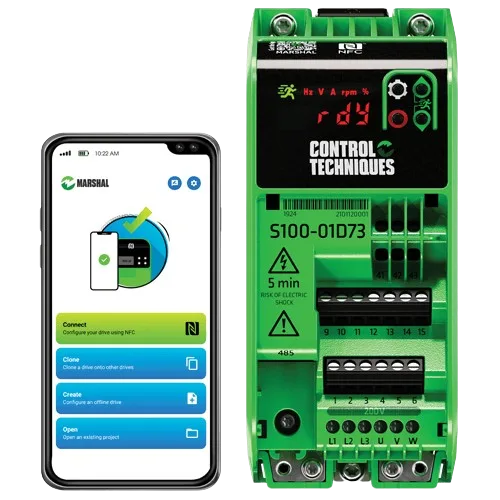
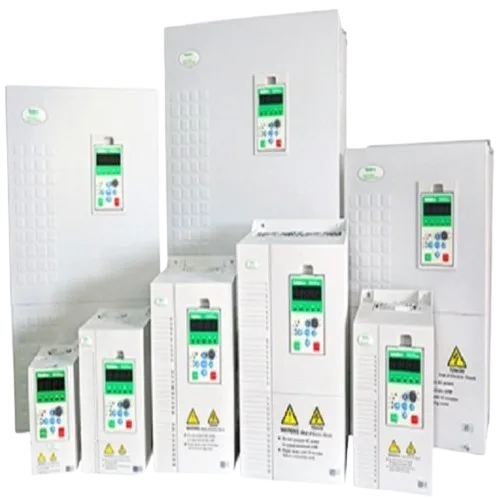
Commander S
Commander S VFD Drives offer energy-efficient motor control for industrial applications. Improve performance and optimise energy usage with reliable Commander S drives.
View ProductImproving energy efficiency in factories requires a structured electrical approach that includes audits, system redesign, motor optimization, and power quality correction.
Paneltech Systems Ltd provides engineered LV panels, APFC systems, and VFD-based motor control solutions designed to reduce industrial energy waste. Learn more at products and home-main.
Industrial Energy Reduction Audits and System Diagnosis
An industrial power reduction audit identifies where energy is being wasted across electrical systems. It analyzes load distribution, equipment efficiency, and power quality to detect inefficiencies. This forms the foundation of all energy-saving strategies in factories.
An energy audit typically evaluates:
- Load profiles across production shifts
- Motor efficiency and loading conditions
- Transformer and distribution losses
- Power factor performance
- Harmonic distortion levels
In Kenyan factories, audits often reveal that 15–35% of energy is wasted due to inefficient motor operation and poor power factor correction.
A structured audit provides the roadmap for targeted improvements rather than random upgrades.
High-Efficiency Motors (IE3 and IE4) and Energy Savings
High-efficiency motors reduce electrical losses by improving conversion efficiency from electrical energy to mechanical output. They consume less power for the same workload compared to standard motors. This directly reduces operating costs in industrial environments.
Traditional motors suffer from higher copper and core losses, especially under variable load conditions. IE3 and IE4 motors are designed with improved materials and tighter tolerances to minimize energy loss.
Key advantages include:
- Lower operating current
- Reduced heat generation
- Longer lifespan
- Improved performance under load variations
When combined with proper motor control systems, energy savings can be substantial across production lines.
Explore industrial motor control systems at #motor-control-panels.
Variable Frequency Drives (VFDs) for Motor Optimization
VFDs optimize motor speed according to load demand, reducing unnecessary energy consumption. They eliminate full-speed operation when partial load is sufficient. This is one of the most effective energy-saving technologies in factories.
In many industrial applications, motors run at full speed even when the process does not require it. This leads to wasted energy.
VFDs solve this by:
- Adjusting motor speed dynamically
- Reducing starting current spikes
- Improving process control
- Extending motor lifespan
In Kenyan industries such as water treatment, manufacturing, and HVAC systems, VFDs can reduce energy consumption significantly.
Learn more at vfd-drives.
Power Factor Correction and Reactive Power Management
Power factor correction improves energy efficiency by reducing reactive power demand from the grid. This reduces electricity penalties and improves system capacity utilization. It allows factories to use power more effectively.
Low power factor increases current draw without increasing useful work output. This leads to higher losses in cables, transformers, and switchgear.
APFC (Automatic Power Factor Correction) systems automatically switch capacitor banks to maintain optimal power factor levels.
Benefits include:
- Reduced electricity bills
- Lower system losses
- Increased transformer capacity
- Improved voltage stability
Explore APFC solutions at #apfc-112.
Energy Losses in Switchgear and Distribution Systems
Poorly designed switchgear increases energy losses due to overheating, poor connections, and oversized components. These inefficiencies reduce overall system performance. Optimized LV panels improve energy distribution efficiency.
Energy losses occur due to:
- Loose busbar connections
- Undersized conductors
- Aging breakers and contactors
- Poor panel layout design
In Kenyan industrial environments, overheating switchgear is a common issue due to high ambient temperatures and dust exposure.
Proper engineering design using IEC 61439 standards ensures lower losses and higher reliability.
Load Management and Operational Scheduling Efficiency
Load management reduces peak energy demand by distributing electrical loads efficiently across operational hours. This prevents demand spikes and reduces electricity costs. It improves overall system stability.
Factories often operate multiple high-load machines simultaneously, leading to peak demand charges.
Effective strategies include:
- Staggered motor starting schedules
- Shift-based load distribution
- Avoiding simultaneous heavy machinery startup
- Monitoring peak demand periods
Proper scheduling significantly reduces energy costs without requiring hardware upgrades.
Harmonics and Their Impact on Energy Efficiency
Harmonics reduce energy efficiency by increasing losses in electrical systems without contributing useful work. They cause overheating and reduce equipment lifespan. This leads to hidden energy waste.
Non-linear loads such as VFDs, UPS systems, and LED drivers introduce waveform distortion.
Effects include:
- Increased neutral current
- Transformer overheating
- Capacitor failure
- Reduced system efficiency
Proper harmonic filtering improves system performance and reduces losses.
System Specifications Table: Industrial Energy Efficiency System
| Parameter | Specification |
|---|---|
| System Voltage | 415V AC, 3 Phase |
| Frequency | 50Hz |
| Efficiency Standard | IE3 / IE4 Motors |
| Power Factor Target | >0.95 |
| Energy Monitoring | Smart meters / IoT systems |
| Control Systems | VFD / APFC integration |
| Standards Compliance | IEC 61439, IEC 60034 |
| Enclosure Rating | IP54 / IP65 |
| Application | Industrial energy optimization systems |
Kenya-Specific Energy Efficiency Challenges
Factories in Kenya face unique energy efficiency challenges including:
- Unstable grid supply from KPLC
- High industrial tariff structures
- Rapid industrial expansion without system redesign
- Limited adoption of energy audits
- Aging electrical infrastructure
These challenges make structured energy efficiency programs essential for long-term competitiveness.
Engineering Strategy for Maximum Energy Savings
A complete energy efficiency strategy includes:
- Electrical system audit and baseline measurement
- Motor replacement with high-efficiency IE3/IE4 units
- Installation of VFD systems for dynamic control
- Power factor correction using APFC panels
- Switchgear optimization and thermal monitoring
- Load scheduling optimization
When implemented together, these measures significantly reduce operating costs and improve system reliability.
Paneltech Systems Ltd provides integrated solutions for industrial energy optimization across Kenya.
Contact Paneltech Systems Ltd
Powering Kenya's Future with Reliable Electrical Solutions
Email: [email protected]
Phone: 0799 531765
Location: Nairobi, Kenya
Website: https://paneltechsystems.co.ke/
Our Specialized Services:
Low Voltage (LV) Panels & APFC Panels
VFD Drive Solutions & ATS / MTS Systems
Solar Power & EV Charging Infrastructure
Electrical Supplies & Engineering Consultations