Genset Synchronising Panel Kenya: 2026 Guide & Specs
A genset synchronising panel Kenya system allows multiple generators to run in parallel using automatic synchronisation, load sharing, and protection. Paneltech Systems provides reliable generator control solutions for industries, commercial facilities, and critical power applications across Kenya.
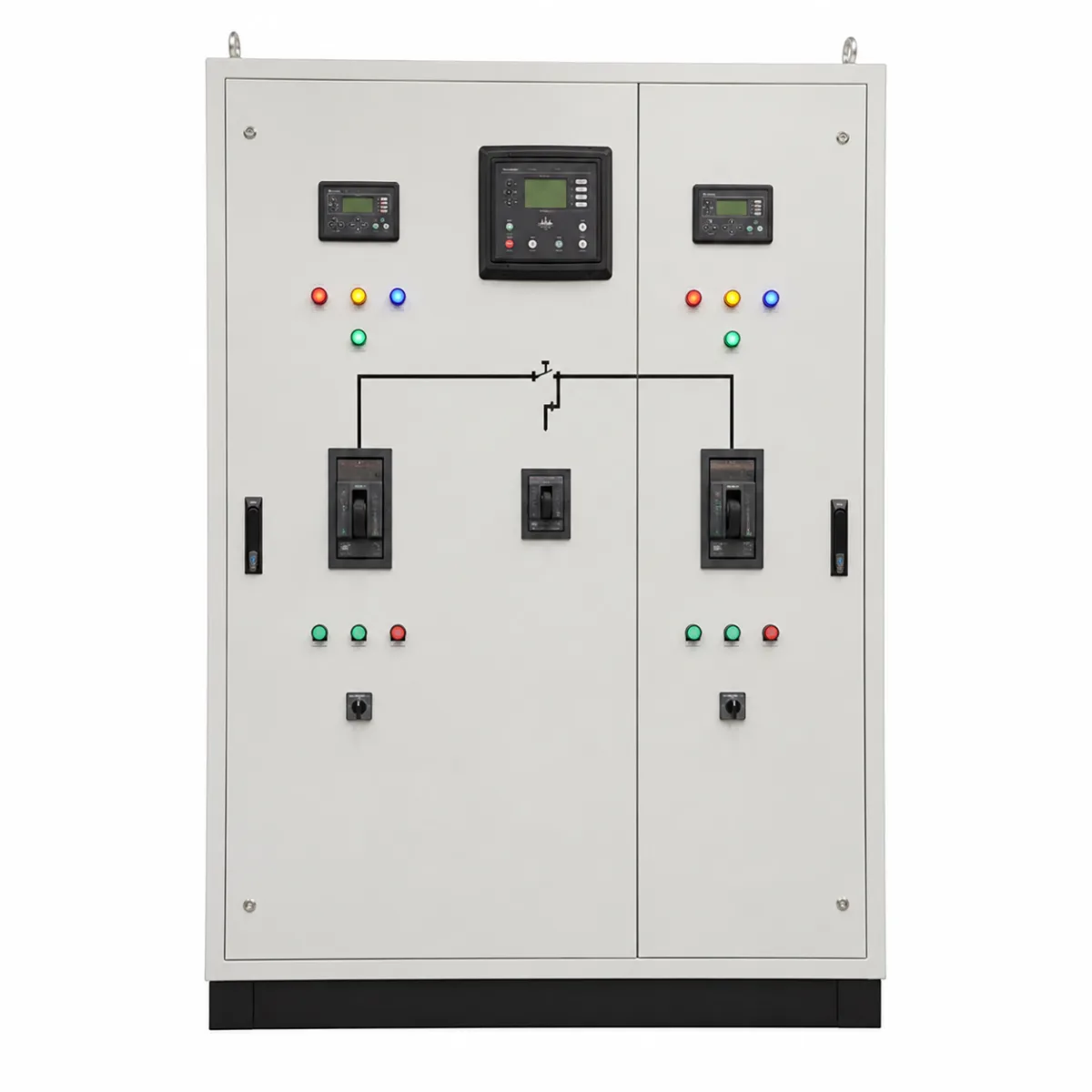
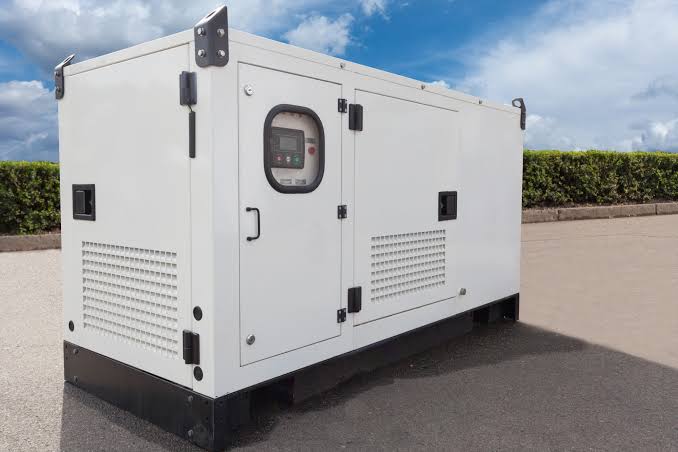
Modern industries, hospitals, data centres, commercial buildings, and manufacturing facilities cannot afford uncontrolled power interruptions. A single standby generator may provide backup power for smaller facilities, but large electrical loads often require multiple generator sets operating together. This is where a genset synchronising panel Kenya solution becomes essential.
A genset synchronising panel allows two or more diesel generator sets to operate in parallel by automatically matching voltage, frequency, phase angle, and power output before connecting them to a common busbar. The system ensures smooth load sharing, prevents electrical faults, and enables continuous power availability during generator transitions.
Related Products

ATS / MTS Kenya
ATS/MTS solutions from Paneltech Systems provide reliable Automatic and Manual Transfer Switches for seamless power transfer in industrial and commercial electrical systems.
View Product
LV Panel
High-quality low voltage panels designed for reliable power distribution and protection in industrial and commercial installations.
View Product
Feeder Pillar Panels
Feeder pillar panels providing reliable power distribution solutions for outdoor and indoor industrial and commercial applications.
View Product
PLC Automation Panels
Advanced PLC automation panels for intelligent control of industrial processes, tailored to your operational requirements.
View ProductIn Kenya, where industrial facilities must manage KPLC grid fluctuations, unexpected outages, and growing energy demands, properly engineered generator synchronisation systems provide a reliable solution for maintaining uninterrupted operations.
Paneltech Systems Ltd designs and supplies advanced electrical control solutions including low voltage panels, generator control systems, automation solutions, and power management systems designed for Kenyan industrial environments.
Genset Synchronising Panel Kenya: What It Does and Why Industries Need It
A genset synchronising panel Kenya enables multiple generators to safely connect and operate together by automatically controlling voltage, frequency, phase matching, and load distribution. This prevents generator damage while ensuring stable power delivery for critical facilities.
For Kenyan industries facing unstable grid conditions, synchronising panels provide a smarter alternative to relying on a single generator by creating a scalable and efficient backup power system.
When a facility requires more power than one generator can provide, multiple generator sets can be installed and connected in parallel. However, generators cannot simply be connected together without precise electrical coordination.
Each generator produces alternating current (AC) electricity with specific electrical characteristics:
- Voltage level
- Frequency
- Phase sequence
- Phase angle
- Real power output
- Reactive power output
If two generators are connected without proper synchronisation, differences in these values can create severe electrical stress, resulting in:
- Generator winding damage
- Circuit breaker failures
- Mechanical stress on engines
- Power instability
- Unexpected shutdowns
A synchronising panel acts as the intelligent control centre that manages the entire paralleling process.
It continuously monitors generator parameters and only allows connection when all conditions meet safe operating limits.
How a Genset Synchronising Panel Kenya System Works
A generator synchronising system works by monitoring each generator’s electrical output and automatically adjusting speed, voltage, and phase until all sets match before closing the connection breaker.
The synchronising controller then manages load sharing between generators to ensure each engine operates efficiently without overloading.
The synchronisation process involves several important stages.
1. Generator Start Command
When utility power fails or additional generation capacity is required, the control system sends a start signal to the connected generator sets.
Each generator engine begins operating independently while the synchronising controller monitors performance.
2. Voltage and Frequency Matching
Before generators can operate together, their electrical output must match.
The synchronising panel checks:
| Parameter | Typical Requirement |
|---|---|
| Voltage Difference | Usually within acceptable tolerance before closing breaker |
| Frequency Difference | Minimal variation required |
| Phase Angle Difference | Must be synchronised before connection |
| Phase Sequence | Must match correctly |
The controller communicates with generator engine governors and automatic voltage regulators (AVRs) to adjust:
- Engine speed
- Fuel supply
- Excitation voltage
3. Synchronising Breaker Closing
Once the generators reach matching conditions, the synchronising panel sends a command to close the generator circuit breaker.
This connects the generator to the common power bus without causing electrical shock or instability.
Modern systems use automatic synchronising relays and controllers to perform this operation faster and more accurately than manual methods.
4. Automatic Load Sharing
After connection, the system distributes electrical demand between generators.
For example:
A factory requiring 1 MW of power may use two 500 kVA generators operating together instead of forcing one generator to handle the entire load.
Load sharing improves:
- Fuel efficiency
- Generator lifespan
- Maintenance scheduling
- Operational flexibility
A properly designed synchronising panel must match the electrical requirements of the installation. Paneltech Systems develops generator control solutions based on generator capacity, site conditions, and operational requirements.
| System Parameter | Typical Specification |
|---|---|
| Application | Multiple generator parallel operation |
| Rated Voltage | 400V AC / 415V AC Low Voltage Systems |
| Frequency | 50Hz (Kenya Standard) |
| Control System | Microprocessor-based synchronising controller |
| Protection | Reverse power, over/under voltage, over/under frequency |
| Communication | Modbus, CAN bus, Ethernet options |
| Enclosure Protection | IP54/IP65 depending on environment |
| Mounting Type | Floor-mounted electrical panel |
| Busbar System | Copper or aluminium based on design requirements |
| Standards Compliance | IEC 61439, IEC 60947, BS EN standards |
Why Kenyan Industries Require Advanced Generator Synchronisation Systems
Kenyan industrial facilities increasingly require synchronised generator systems because production processes, automation equipment, and critical infrastructure cannot tolerate extended downtime.
A professionally designed genset synchronising panel Kenya installation provides automatic operation, improved reliability, and controlled power distribution during grid failures.
Many facilities in Kenya operate with sensitive electrical equipment including:
- Programmable Logic Controllers (PLCs)
- Variable Frequency Drives (VFDs)
- Industrial automation systems
- Medical equipment
- Data processing infrastructure
- Manufacturing machinery
Sudden power interruptions can lead to:
- Production losses
- Equipment damage
- Material wastage
- Safety risks
- Reduced operational efficiency
A synchronised generator system allows facilities to create a resilient power infrastructure where generators can start, connect, and share load automatically.
For industrial environments, Paneltech Systems provides solutions including:
- Low Voltage Panel Solutions
- Industrial Automation Solutions
- Electrical Engineering Consultation Services
Conclusion: Choosing the Right Genset Synchronising Panel Kenya Solution
A reliable genset synchronising panel Kenya system allows industries to operate multiple generators safely, efficiently, and continuously without disruptive power interruptions. By controlling synchronisation, load sharing, and protection functions, the system ensures stable power delivery for critical operations.
For factories, commercial buildings, hospitals, and infrastructure projects, investing in a professionally engineered generator paralleling system improves energy resilience while reducing operational risks caused by unreliable grid supply.
As Kenya’s industrial and commercial sectors continue expanding, the demand for intelligent power management solutions is increasing. A properly designed synchronising panel must consider generator capacity, site conditions, protection requirements, communication systems, and compliance with relevant IEC standards.
Paneltech Systems Ltd provides engineered electrical solutions for generator synchronisation, automation, LV panels, APFC systems, and renewable energy infrastructure. Our team supports clients with design, supply, installation guidance, and technical consultation for reliable power systems across Kenya and East Africa.
Contact Paneltech Systems Ltd
Powering Kenya's Future with Reliable Electrical Solutions
Email: [email protected]
Phone: 0799 531765
Location: Nairobi, Kenya
Website: https://paneltechsystems.co.ke/
Our Specialized Services:
- Low Voltage (LV) Panels & APFC Panels
- VFD Drive Solutions & ATS / MTS Systems
- Solar Power & EV Charging Infrastructure
- Electrical Supplies & Engineering Consultations