Electrical Panel Tender Specification in Kenya: Clauses That Stop Cheap Bids
Electrical panels for shopping malls in Kenya enable reliable power distribution, tenant sub-metering and landlord control. Learn how LV panels, APFC systems and ATS solutions support modern retail developments.
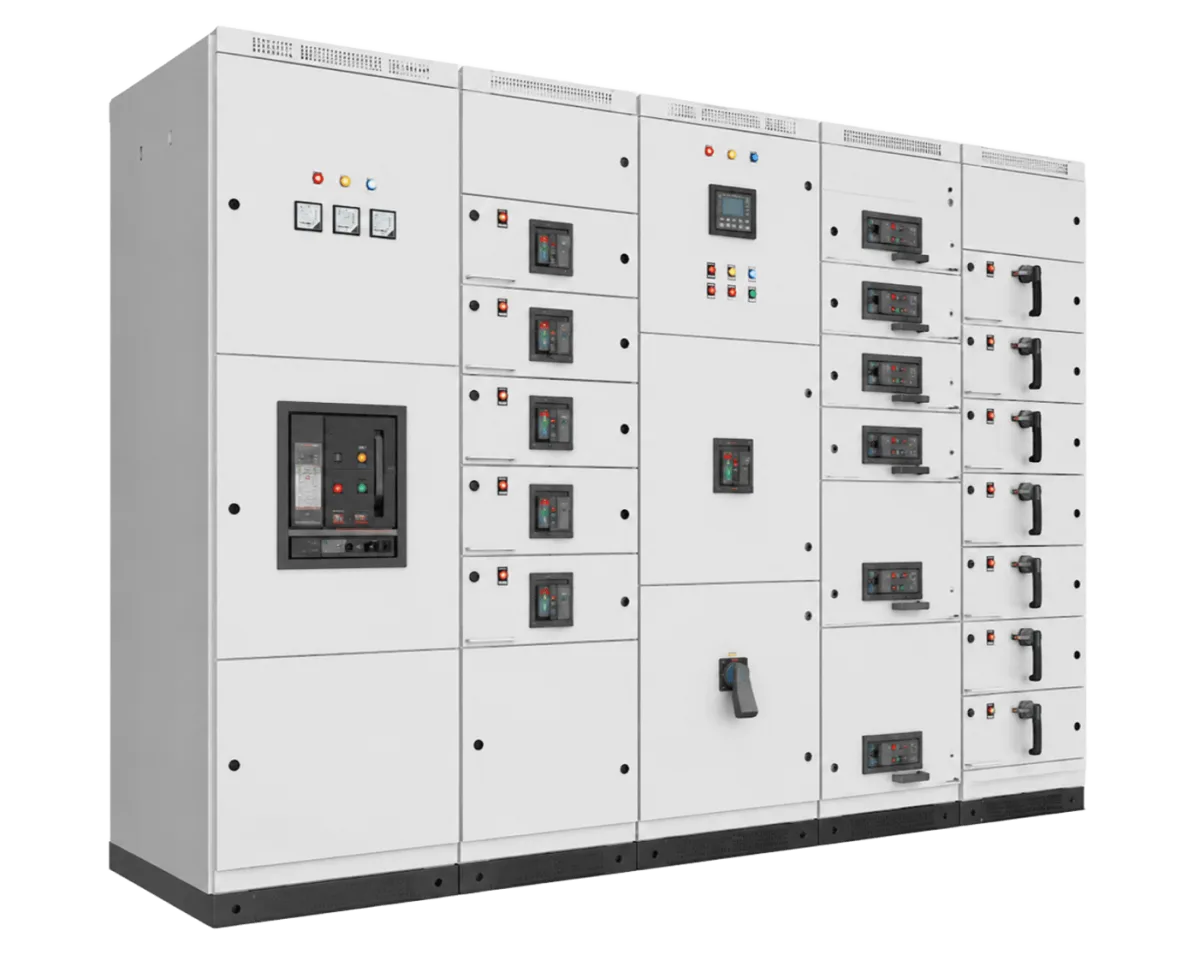
Electrical panel procurement is a critical decision for industrial, commercial, and infrastructure projects in Kenya. A poorly written tender specification can result in contractors competing mainly on price, leading to the supply of low-quality components, inadequate protection systems, poor workmanship, and expensive corrective work after installation.
A professional electrical panel tender specification should define minimum technical requirements, approved standards, testing procedures, documentation requirements, and performance expectations before suppliers submit quotations.
For project owners, MEP consultants, electrical engineers, and facility managers, the goal is not simply to purchase the cheapest panel. The goal is to procure a safe, reliable, compliant, and maintainable electrical distribution system.
Paneltech Systems Ltd supports consultants and developers with engineered low voltage panel solutions in Kenya designed for industrial, commercial, and infrastructure applications.
Why Electrical Panel Tender Specifications Matter in Kenya
An electrical panel tender specification in Kenya defines the technical requirements suppliers must meet before bidding. A detailed specification prevents unsuitable equipment, protects project quality, and ensures all bidders compete on the same engineering requirements.
Electrical panels are long-term infrastructure assets. Once installed, replacing an incorrectly specified panel can involve:
- Production downtime
- Additional installation costs
- Safety risks
- Compatibility problems
- Future maintenance challenges
Many tender documents focus only on basic requirements such as:
- Panel rating
- Incoming supply voltage
- Number of outgoing feeders
- General enclosure requirements
However, these details alone may not prevent low-cost suppliers from reducing quality through:
- Undersized busbars
- Low-grade components
- Poor internal wiring practices
- Inadequate fault ratings
- Missing protection coordination studies
A strong specification should clearly define the expected engineering standard before commercial comparison begins.
Essential Clauses for an Electrical Panel Tender Specification
A strong electrical panel tender specification should include clauses covering design standards, materials, protection levels, testing, documentation, and installation requirements. These clauses ensure suppliers deliver compliant and reliable systems rather than the lowest-priced alternatives.
The following clauses should be included in professional electrical panel tender documents:
1. Applicable Standards and Compliance Requirements
Electrical panel tenders in Kenya should clearly state the required IEC and BS EN standards to ensure equipment quality, safety, and consistent manufacturing practices. Standards-based specifications reduce the risk of receiving unverified or unsuitable equipment.
Every tender should specify applicable standards, including:
| Standard | Requirement |
|---|---|
| IEC 61439 | Low-voltage switchgear and controlgear assemblies |
| IEC 60947 | Low-voltage switching and control equipment |
| IEC 60529 | Enclosure protection and IP ratings |
| BS EN standards | Electrical equipment manufacturing and testing requirements |
The specification should also require compliance with relevant Kenyan electrical installation requirements and regulatory expectations from the Energy and Petroleum Regulatory Authority (EPRA).
A recommended clause:
“The electrical panel assembly shall be designed, manufactured, tested, and certified according to IEC 61439 requirements. The supplier shall provide compliance documentation and test certificates upon request.”
This prevents suppliers from offering locally assembled equipment without proper design verification.
2. Define Electrical Ratings ClearlyTender documents should specify complete electrical ratings to prevent suppliers from selecting undersized equipment. Voltage, current capacity, fault level, and operating conditions must be clearly stated.
A complete electrical specification should include:
| Parameter | Requirement |
|---|---|
| System Voltage | 400/415V AC three-phase |
| Frequency | 50Hz |
| Rated Current | As per calculated load requirements |
| Short Circuit Rating | Based on site fault level |
| Insulation Voltage | According to design requirements |
| Protection Degree | Minimum IP rating specified by location |
Avoid vague descriptions such as:
“Supply a 400A electrical panel.”
Instead specify:
“Supply a 400A, 415V, three-phase LV panel with minimum short-circuit withstand rating of ___kA for ___ seconds.”
This forces suppliers to engineer according to actual site conditions.
3. Specify Busbar Material and SizingBusbar specifications prevent suppliers from reducing costs through undersized conductors. Copper busbars with correct sizing improve safety, thermal performance, and long-term reliability.
A tender should define:
- Busbar material
- Current carrying capacity
- Short-circuit withstand rating
- Phase arrangement
- Neutral and earth bar requirements
Recommended requirements:
| Component | Recommended Specification |
|---|---|
| Material | High conductivity copper |
| Finish | Tin-plated where required |
| Supports | Insulated and mechanically secured |
| Identification | Phase colour marking |
Low-quality panels may use undersized busbars that overheat under continuous loads.
4. Specify Enclosure Construction and IP RatingThe tender specification should define enclosure material, protection rating, and environmental requirements based on installation conditions. This prevents unsuitable panels from being supplied for harsh Kenyan environments.
Panel location affects enclosure selection:
| Environment | Recommended Protection |
|---|---|
| Indoor electrical rooms | IP54 minimum |
| Dusty industrial areas | IP65 preferred |
| Outdoor installations | Weather-resistant enclosure |
| Coastal locations such as Mombasa | Corrosion-resistant treatment |
The tender should specify:
- Sheet steel thickness
- Powder coating requirements
- Door sealing system
- Cable gland arrangements
- Internal ventilation provisions
Paneltech Systems designs industrial panels suited for Kenya’s varied environments, from humid coastal areas to dusty agricultural and manufacturing regions.
5. Require Approved Electrical ComponentsElectrical panel tenders should specify minimum component quality requirements to prevent suppliers from using unreliable low-cost alternatives.
The specification should define acceptable component categories:
- MCCBs
- MCBs
- Contactors
- Relays
- Protection devices
- Metering equipment
- Control components
For industrial motor applications, suppliers should include reliable solutions such as VFD drive systems where variable speed control is required.
The tender should require:
- Manufacturer details
- Product datasheets
- Warranty information
- Technical approval before substitution
Electrical panels must include appropriate protection systems to safeguard equipment, personnel, and electrical networks. Tender clauses should define required protective devices rather than leaving decisions entirely to suppliers.
Protection requirements may include:
- Short circuit protection
- Overload protection
- Earth fault protection
- Surge protection
- Phase failure protection
- Under-voltage protection
For industrial facilities, additional monitoring may include:
- Energy meters
- Power quality analysers
- Remote monitoring systems
Factory Acceptance Testing ensures electrical panels are inspected and tested before delivery to site. Including FAT requirements reduces installation problems and commissioning delays.
Tender documents should require:
- Insulation resistance testing
- Continuity testing
- Functional testing
- Protection verification
- Visual inspection
- Documentation review
A FAT report should be submitted before shipment.
8. Demand Complete DocumentationA professional electrical panel tender specification should require complete technical documentation to support installation, operation, and future maintenance.
Required documentation should include:
| Document | Purpose |
|---|---|
| Single Line Diagram | Electrical system understanding |
| Panel GA drawings | Installation planning |
| Wiring diagrams | Maintenance support |
| Component datasheets | Equipment verification |
| Test certificates | Compliance evidence |
| Operation manuals | Safe operation |
Tender specifications should cover installation, testing, and commissioning responsibilities to prevent disputes between suppliers and contractors.
Requirements should define:
- Cable termination standards
- Earthing requirements
- Testing procedures
- Commissioning reports
- Operator training
A complete electrical solution includes more than panel manufacturing. Proper installation determines long-term reliability.
Electrical Panel Tender Specification Checklist for KenyaA complete tender checklist helps engineers evaluate suppliers based on technical value instead of price alone.
| Specification Area | Required Information |
|---|---|
| Standards | IEC 61439 compliance |
| Voltage | 400/415V AC |
| Frequency | 50Hz |
| Enclosure | IP rating and material |
| Busbars | Copper sizing and rating |
| Components | Approved manufacturers |
| Protection | MCCB, MCB, overload, surge protection |
| Testing | FAT and commissioning |
| Documentation | Drawings and certificates |
| Warranty | Defined supplier responsibility |
Many low-cost electrical panel bids result from unclear specifications that allow suppliers to reduce quality without technically violating the tender requirements.
Common specification mistakes include:
- Not specifying IEC compliance
- Omitting short-circuit ratings
- Allowing component substitutions without approval
- Ignoring environmental conditions
- Not requiring factory testing
- Comparing prices without technical evaluation
A properly written tender removes ambiguity and allows fair comparison between suppliers.
Why Work With Paneltech Systems for Electrical Panel Engineering in Kenya?Paneltech Systems Ltd provides engineered electrical solutions designed around safety, reliability, and compliance. The company works with industrial clients, consultants, and developers requiring dependable LV panels and automation systems.
Paneltech Systems specialises in:
- Low Voltage (LV) panels
- Motor Control Centres (MCCs)
- APFC systems
- ATS/MTS systems
- VFD integration
- Solar and energy solutions
Learn more about Paneltech Systems’ electrical engineering solutions and company capabilities or explore the company’s complete product range.
Conclusion: Writing Better Electrical Panel Tender Specifications in KenyaA well-written electrical panel tender specification in Kenya protects projects from unsafe low-cost bids by defining technical, safety, and quality requirements before procurement begins. Clear clauses create better competition and ensure suppliers deliver reliable electrical systems.
The most effective tender documents focus on:
- IEC compliance
- Correct electrical ratings
- Quality components
- Proper enclosure protection
- Factory testing
- Complete documentation
- Professional commissioning
By specifying performance requirements rather than simply requesting the lowest price, project owners can achieve safer installations, lower maintenance costs, and improved electrical system reliability.
Paneltech Systems Ltd helps Kenyan industries, developers, and consultants develop and implement reliable electrical infrastructure designed for modern power demands.
Contact Paneltech Systems LtdPowering Kenya's Future with Reliable Electrical Solutions
Email: [email protected]
Phone: 0799 531765
Location: Nairobi, Kenya
Website: https://paneltechsystems.co.ke/
Our Specialized Services:
Low Voltage (LV) Panels & APFC Panels
VFD Drive Solutions & ATS / MTS Systems
Solar Power & EV Charging Infrastructure
Electrical Supplies & Engineering Consultations