Causes of Electrical Panel Failure: Top Industrial Risks and Warning Signs
Prevent costly production shutdowns by understanding the causes of electrical panel failure in industrial systems. Learn how overheating busbars, loose connections, and dust exposure damage switchboards in Kenya.
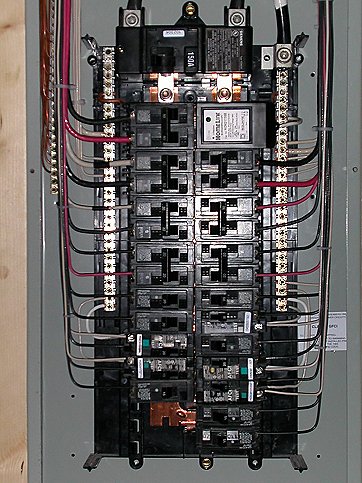
Industrial electrical panels are the backbone of power distribution in factories, commercial buildings, and infrastructure projects. In Kenya, rising industrial demand, unstable grid conditions from KPLC, and rapid expansion of manufacturing zones have significantly increased the stress placed on low-voltage switchboards.
Poor installation practices, environmental exposure, and inadequate maintenance remain the leading causes of catastrophic panel failures. When a panel fails, the result is not just downtime—it can mean equipment damage, fire risk, and full production shutdown.
Related Products

LV Panel
High-quality low voltage panels designed for reliable power distribution and protection in industrial and commercial installations.
View Product
Feeder Pillar Panels
Feeder pillar panels providing reliable power distribution solutions for outdoor and indoor industrial and commercial applications.
View Product
PLC Automation Panels
Advanced PLC automation panels for intelligent control of industrial processes, tailored to your operational requirements.
View Product
Protection Panels
Robust protection panels safeguarding electrical systems and equipment from faults, overloads and short circuits.
View ProductPaneltech Systems Ltd, accessible via paneltechsystemsand products, specializes in designing IEC-compliant LV panels, APFC systems, and VFD solutions engineered for Kenyan operating conditions.
This article breaks down the major technical causes of panel failure, early warning signs, and how proper engineering design prevents costly breakdowns.
Loose Busbar Connections and Thermal Runaway
Loose busbar connections are one of the most dangerous and common causes of electrical panel failure. They create localized resistance points that generate excessive heat, leading to thermal runaway and eventual busbar melting or fire. If not detected early, this condition can destroy an entire switchboard within minutes of overload.
Loose connections typically occur due to poor torqueing during installation, vibration in industrial environments, or thermal cycling caused by load fluctuations. In Kenya’s industrial facilities—especially manufacturing plants in Nairobi and Athi River—continuous machine vibration accelerates mechanical loosening of busbar joints.
When current flows through a loose connection, resistance increases and heat builds up exponentially. This phenomenon is known as I²R heating, which can escalate rapidly under heavy load conditions.
Modern LV switchgear designed under IEC 61439 standards requires calibrated torque tightening and periodic infrared thermography inspections to detect early hotspots.
For properly engineered systems, explore solutions at low-voltage-panels and #motor-control-panels.
Moisture Ingress and Humidity Effects in Coastal and Urban Kenya
Moisture ingress leads to insulation breakdown, corrosion of terminals, and short circuits inside electrical panels. In high-humidity regions like Mombasa, condensation inside poorly sealed enclosures is a leading cause of sudden panel failure. Without IP-rated enclosures, even minor moisture exposure can trigger catastrophic faults.
Kenya’s coastal environment introduces high relative humidity that accelerates oxidation of copper busbars and steel enclosures. When moisture settles inside a panel, it reduces insulation resistance and increases leakage current paths.
Over time, this leads to tracking faults—where electricity “creeps” across contaminated surfaces, eventually causing flashovers.
To mitigate this, industrial panels must use IP54 minimum enclosures for indoor environments and IP65-rated systems for harsh coastal or washdown conditions. Proper gasket sealing and anti-condensation heaters are essential in sensitive installations.
Paneltech Systems addresses these environmental risks through engineered enclosures available via products.
Dust Contamination and Tracking Faults in Arid and Industrial Zones
Dust accumulation inside panels creates conductive paths that lead to tracking faults and insulation failure. In dry and dusty regions such as the Rift Valley and industrial warehouses, dust is a silent but major contributor to switchgear breakdown. If left unmaintained, dust buildup can cause arcing and phase-to-phase short circuits.
Dust particles, especially those containing metallic or carbon content, become conductive when combined with humidity or oil vapors. In industrial plants with cement, textile, or grain processing, airborne particulates continuously infiltrate panel enclosures.
Once deposited on insulators, dust reduces creepage distance and allows electrical tracking between phases.
Routine maintenance, air filtration systems, and pressurized enclosure designs are critical preventive measures.
More technical solutions and system upgrades can be explored via knowledge-site and home-main.
Overloading and Poor Load Distribution in Industrial Networks
Overloading occurs when electrical panels are subjected to currents beyond their design rating, causing overheating and insulation breakdown. Uneven load distribution across phases leads to phase imbalance, increasing neutral currents and system inefficiency. Chronic overloading is one of the fastest ways to degrade an electrical switchboard.
In Kenya’s expanding industrial sector, many facilities add machinery without upgrading their LV distribution systems. This leads to overloaded feeders, tripped breakers, and overheating of busbars.
Phase imbalance is especially common in mixed-load environments where motors, heaters, and variable frequency drives operate simultaneously.
Proper load studies and panel sizing according to IEC 60947 standards are essential to avoid such failures.
For industrial-grade distribution systems, see low-voltage-panels and #apfc-112 for reactive power correction support.
Harmonics and Power Quality Issues from VFDs and Modern Loads
Harmonics distort electrical waveforms, causing overheating in transformers, capacitors, and neutral conductors inside panels. They are primarily introduced by non-linear loads such as VFD drives, UPS systems, and LED lighting. If unmanaged, harmonics significantly shorten the lifespan of electrical panels.
In modern Kenyan industries, Variable Frequency Drives (VFDs) are widely used for motor control and energy efficiency. However, they introduce harmonic distortion that increases losses in electrical systems.
This leads to overheating of neutral bars, nuisance tripping of breakers, and capacitor bank failure in APFC systems.
Mitigation techniques include harmonic filters, detuned reactors, and properly engineered APFC panels.
Explore advanced solutions atvfd-drives and #multispan-components.
Inadequate Cooling and Ventilation in Electrical Panels
Poor ventilation leads to heat accumulation inside electrical panels, accelerating insulation degradation and component failure. When internal temperatures exceed design limits, breakers, relays, and contactors lose reliability. Thermal stress is a silent but progressive cause of panel breakdown.
In Kenya’s warm climate, especially in industrial zones like Nairobi Industrial Area and Mombasa, ambient temperatures can significantly impact panel performance.
Without proper ventilation, heat generated from busbars and switching devices accumulates, increasing failure risk.
Cooling solutions include forced air ventilation, heat exchangers, and thermal monitoring systems.
High-quality enclosure design ensures compliance with IEC thermal rise limits, extending system lifespan.
Poor Installation Practices and Non-Compliance with IEC Standards
Non-compliant installations are a leading cause of early electrical panel failure in industrial systems. Improper cable termination, undersized conductors, and lack of torque standards lead to overheating and faults. Failure to comply with IEC and EPRA requirements increases both operational risk and legal liability.
In Kenya, regulatory oversight from EPRA requires adherence to safety and installation standards for industrial electrical systems.
Unfortunately, many installations bypass proper engineering design, resulting in unsafe systems.
Correct installation practices include proper segregation of power and control wiring, correct earthing systems, and certified assembly procedures.
Paneltech Systems ensures compliance-driven design and fabrication through about and products.
Preventive Maintenance and Predictive Monitoring Systems
Preventive maintenance is the most effective strategy for avoiding unexpected electrical panel failures. Routine inspections, thermal imaging, and insulation resistance testing help detect faults before they escalate. Predictive monitoring systems can significantly reduce downtime in industrial environments.
Maintenance programs should include periodic tightening of busbars, cleaning of dust accumulation, and checking of thermal hotspots.
Advanced facilities now deploy IoT-based monitoring systems to track load, temperature, and harmonic distortion in real time.
Kenyan industries adopting predictive maintenance experience fewer breakdowns and improved operational efficiency.
More insights can be found at knowledge-site and contact.
System Specifications Table: Industrial LV Distribution Panel (Typical Design for Kenya)
| Parameter | Specification |
|---|---|
| Rated Voltage | 415V AC, 3 Phase |
| Frequency | 50Hz |
| Short Circuit Rating | 25kA – 50kA |
| Enclosure Material | Powder-coated CRCA steel |
| IP Rating | IP54 / IP65 (application dependent) |
| Busbar Material | Electrolytic Copper (99.9%) |
| Standards Compliance | IEC 61439, IEC 60947, EPRA Guidelines |
| Cooling Method | Natural / Forced Air Ventilation |
| Mounting Type | Floor-mounted / Wall-mounted |
| Operating Temperature | -5°C to 45°C |
Key Engineering Insights for Kenyan Industrial Environments
Electrical panel failures in Kenya are rarely caused by a single issue. Instead, they result from a combination of environmental stress, poor installation, and inadequate maintenance practices.
The most critical factors include:
- Power instability from KPLC fluctuations
- High humidity in coastal regions
- Dust contamination in arid zones
- Increasing harmonic distortion from modern industrial loads
- Lack of structured maintenance programs
Proper engineering design must account for all these variables to ensure long-term system stability.
Paneltech Systems Ltd integrates these considerations into all LV panel and automation designs, ensuring compliance, durability, and efficiency.
Contact Paneltech Systems Ltd
Powering Kenya's Future with Reliable Electrical Solutions
Email: [email protected]
Phone: 0799 531765
Location: Nairobi, Kenya
Website: https://paneltechsystems.co.ke/
Our Specialized Services:
Low Voltage (LV) Panels & APFC Panels
VFD Drive Solutions & ATS / MTS Systems
Solar Power & EV Charging Infrastructure
Electrical Supplies & Engineering Consultations