Best Electrical Panel Manufacturers in Kenya: Industrial Switchgear
Looking for best electrical panel manufacturers Kenya with internationally compliant, high-reliability electrical panel builders? See why Panel Tech Systems stands out for custom engineering in Kenya with certified industrial switchgear solutions.
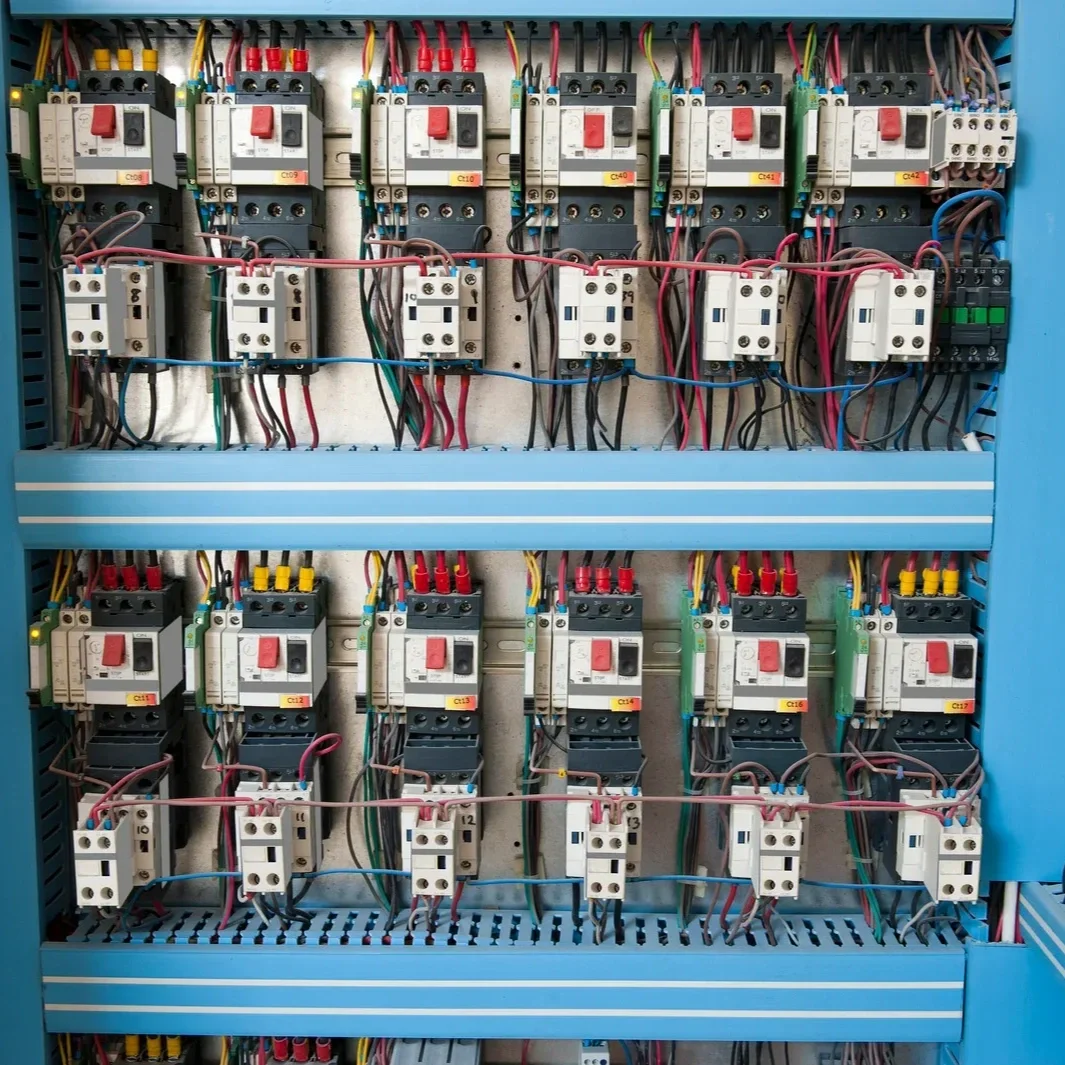
Electrical panels are the backbone of every industrial, commercial, and infrastructure power system. The quality of panel manufacturing directly affects safety, uptime, energy efficiency, and long-term operational cost.
In Kenya, industries such as manufacturing, real estate, water treatment, and energy increasingly require custom-engineered switchgear systems built to IEC standards. However, not all panel manufacturers offer the same level of engineering precision, certification, or after-sales support.
Related Products

LV Panel
High-quality low voltage panels designed for reliable power distribution and protection in industrial and commercial installations.
View Product
Feeder Pillar Panels
Feeder pillar panels providing reliable power distribution solutions for outdoor and indoor industrial and commercial applications.
View Product
PLC Automation Panels
Advanced PLC automation panels for intelligent control of industrial processes, tailored to your operational requirements.
View Product
Protection Panels
Robust protection panels safeguarding electrical systems and equipment from faults, overloads and short circuits.
View ProductSelecting the right manufacturer ensures compliance with international standards, reliable system performance, and reduced downtime.
Paneltech Systems Ltd is a Kenya-based engineering company specializing in LV panels, APFC systems, VFD solutions, and industrial switchgear design. Learn more at products and about.
What Makes a High-Quality Electrical Panel Manufacturer
A high-quality electrical panel manufacturer delivers engineered, tested, and certified switchgear systems that meet IEC and industrial safety standards. They ensure reliability through proper design, quality components, and rigorous testing. This reduces operational failures and improves system safety.
Key quality indicators include:
- Compliance with IEC 61439 and IEC 60947 standards
- Use of certified components (ABB, Schneider, Siemens, etc.)
- Proper heat dissipation and enclosure design
- Accurate load calculations and system engineering
- Factory testing before delivery
Manufacturers that ignore engineering standards often produce panels that fail under industrial load conditions.
Custom Switchgear Builders in Nairobi and Kenya
Custom switchgear builders design electrical panels tailored to specific load, environment, and operational requirements. This ensures optimal performance and system compatibility. It is essential for industrial reliability and scalability.
Unlike off-the-shelf panels, custom-built systems allow:
- Precise load matching for industrial operations
- Integration with VFD, APFC, and automation systems
- Adaptation to space and environmental constraints
- Enhanced safety and fault protection design
In Nairobi and across Kenya, industries increasingly prefer custom-built systems due to expanding automation needs and complex power distribution requirements.
Explore engineered systems at low-voltage-panels.
Certified Industrial Panel Fabrication Standards
Certified industrial panel fabrication ensures that electrical panels are designed, assembled, and tested according to international safety and performance standards. This guarantees reliability under industrial operating conditions. Certification reduces electrical risks and improves compliance.
Common standards include:
- IEC 61439 (LV switchgear assemblies)
- IEC 60947 (control gear systems)
- ISO quality management systems
- EPRA compliance requirements in Kenya
Certified fabrication involves:
- Controlled assembly environment
- Torque-tested connections
- Insulation resistance testing
- Functional load testing before dispatch
Without certification, panels may fail under thermal or electrical stress.
Types of Electrical Panels Used in Industrial Applications
Electrical panels are categorized based on their function in power distribution and control systems. Each type serves a specific industrial requirement. Proper selection improves efficiency and safety.
Common panel types include:
- LV Distribution Panels: Power distribution across industrial loads
- Motor Control Centers (MCC): Control of motors and automation systems
- APFC Panels: Power factor correction and energy efficiency
- ATS/MTS Panels: Automatic and manual power switching systems
- VFD Panels: Motor speed control and energy optimization
Each system must be designed according to load conditions and operational requirements.
Explore categories at products.
Why Panel Quality Impacts Industrial Performance
Poor-quality electrical panels lead to overheating, system failure, and unexpected downtime. High-quality panels improve safety, efficiency, and operational stability. They reduce long-term maintenance costs significantly.
Common problems caused by poor panel design include:
- Loose connections leading to overheating
- Undersized busbars causing voltage drops
- Inadequate ventilation increasing thermal stress
- Poor protection coordination leading to frequent tripping
In industrial environments, even minor design flaws can result in major production losses.
Comparison: Standard Panels vs Custom Engineered Panels
Custom-engineered panels are designed for specific operational requirements, while standard panels are generic and less adaptable. Custom systems provide higher reliability and efficiency. They are preferred in industrial applications.
| Feature | Standard Panels | Custom Engineered Panels |
|---|---|---|
| Design | Generic | Application-specific |
| Efficiency | Moderate | High |
| Safety | Basic | Advanced protection coordination |
| Scalability | Limited | High |
| Cost Efficiency | Short-term savings | Long-term savings |
Custom solutions are more cost-effective over the lifecycle of industrial systems.
System Specifications Table: Industrial Switchgear Panels
| Parameter | Specification |
|---|---|
| Rated Voltage | 415V / 11kV |
| Frequency | 50Hz |
| Standards | IEC 61439 / IEC 60947 |
| Enclosure Rating | IP54 / IP65 |
| Busbar Material | Electrolytic Copper / Aluminum |
| Protection Devices | MCCB / ACB / MCB |
| Cooling Method | Natural / Forced Ventilation |
| Application | Industrial & Commercial Power Systems |
Kenya Market Insight: Why Demand for Panel Builders Is Growing
Kenya’s industrial sector is expanding rapidly due to:
- Growth in manufacturing and processing industries
- Infrastructure development projects
- Increased adoption of renewable energy systems
- Expansion of commercial real estate and data centers
This growth has increased demand for:
- Reliable LV switchgear systems
- Energy-efficient APFC solutions
- Automated motor control systems
However, quality inconsistency in the market makes certified manufacturers essential.
Engineering Considerations When Choosing a Panel Manufacturer
Selecting a panel manufacturer requires evaluating engineering capability, compliance, and testing standards. This ensures system reliability and safety. It prevents costly operational failures.
Key considerations:
- Engineering design capability
- Use of certified components
- Testing and quality assurance procedures
- After-sales support and maintenance
- Compliance with IEC standards
Manufacturers that provide full engineering documentation offer better long-term value.